A Beginner’s Guide To Puppy Nutrition
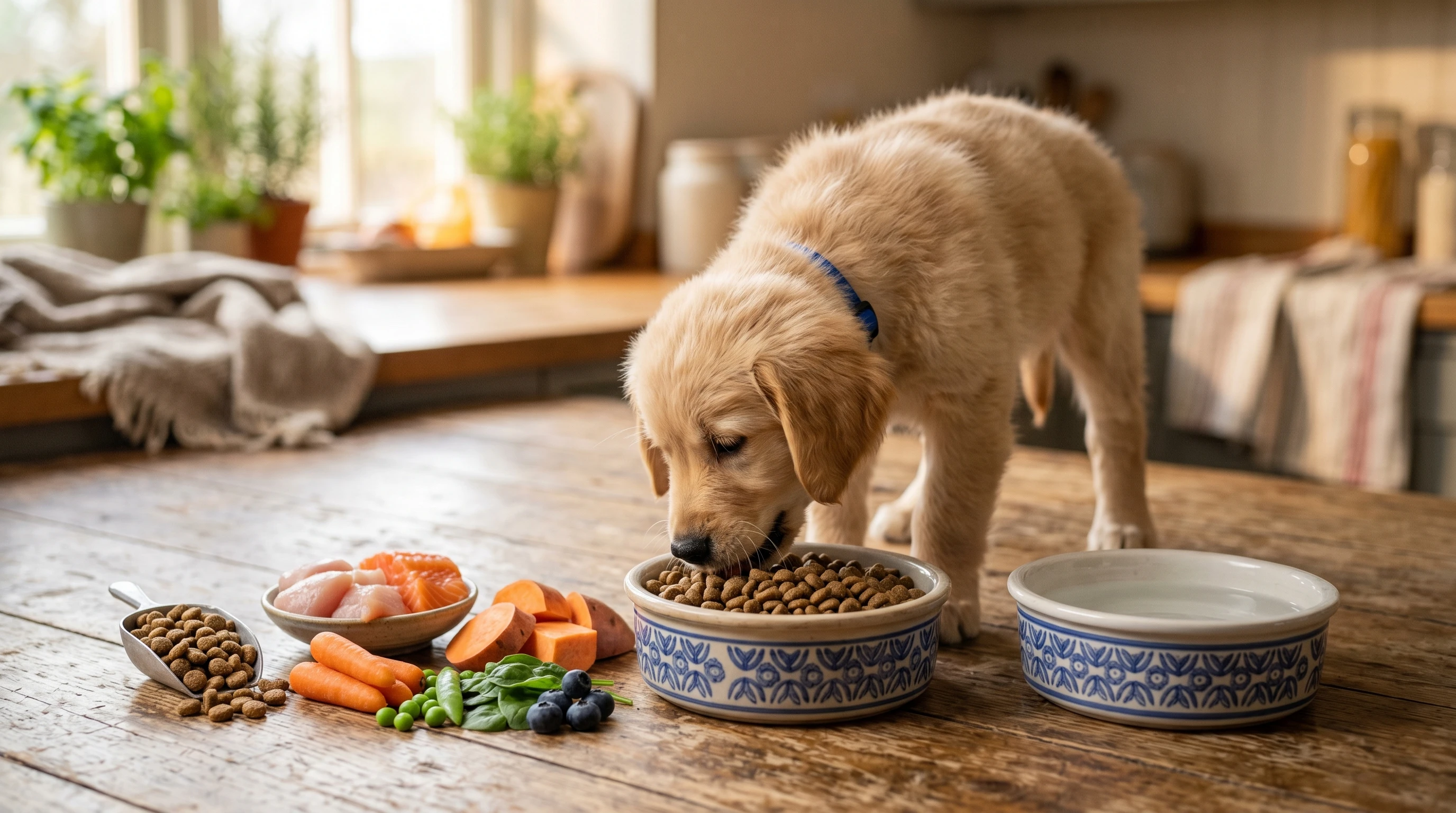
Puppy nutrition seems like a simple subject—until you’re standing in the pet food aisle surrounded by bags labeled with ingredient lists you can barely pronounce. Feeding a puppy isn’t always as straightforward as it first appears. That’s because those tiny furballs have unique requirements in their growing phase. If you’re new to caring for puppies—or just searching for a clear guide—this is the place for you. I’ll walk you through what makes a balanced meal for a puppy, why it matters, and plenty of things I wish I’d known at the start.
Why Puppies Need Special Nutrition
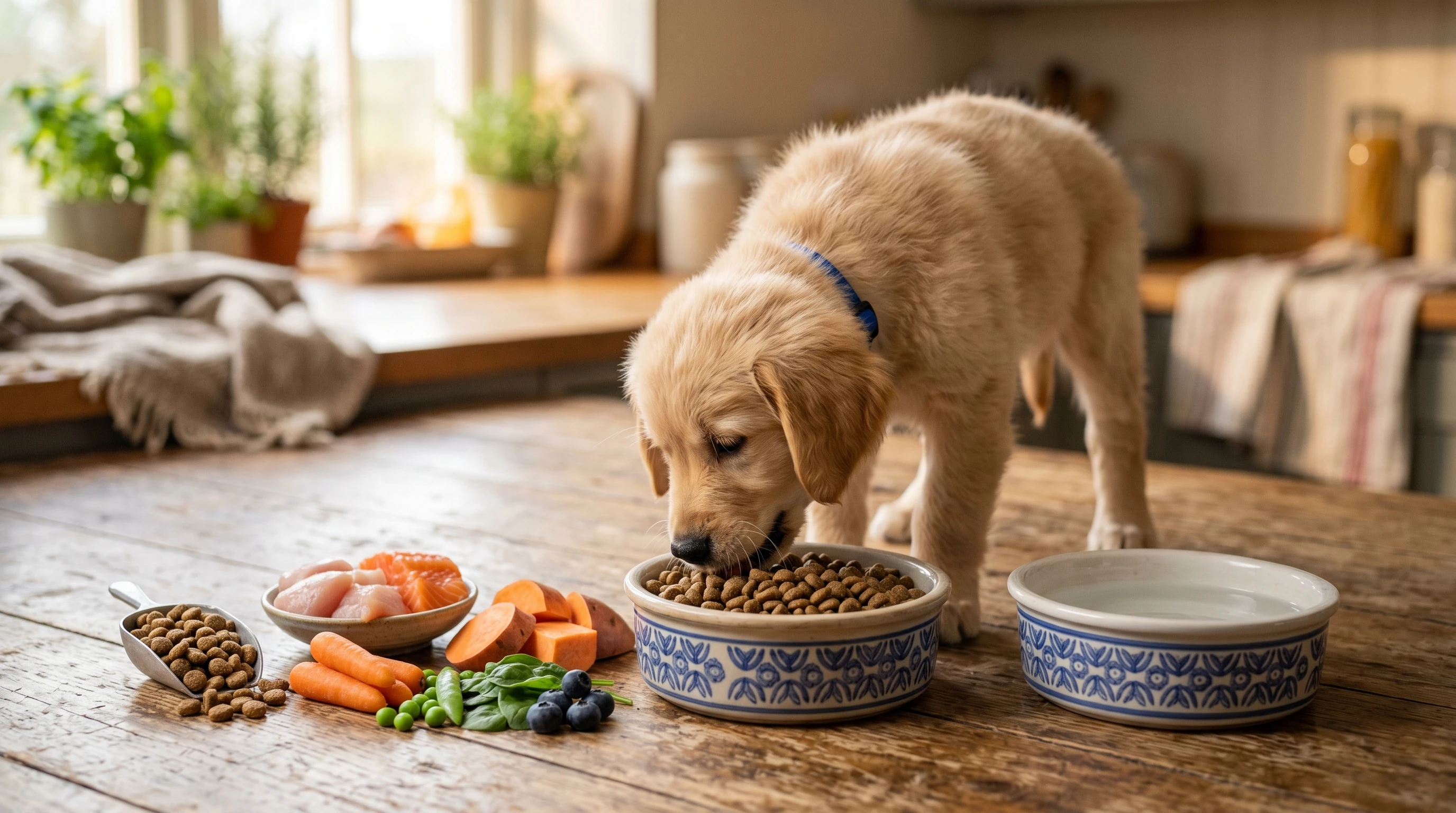
Puppies are basically little growing machines! Their bones, brains, and muscles all develop at a rapid clip in those first several months, and their nutrition needs reflect that. They burn through energy in play and need extra nutrients to make sure they build a healthy foundation. Matching their diet closely to these needs helps smooth their growth and keeps them strong, so you’ll deal with fewer problems later.
Feeding adult dog food to a puppy just doesn’t do the trick. While it might seem easy to give both your older dog and your new puppy the same chow, the fact is: puppies need more—more protein, more calories per pound, the right balance of minerals, and additional healthy fat. Most veterinarians recommend sticking to specially formulated puppy food until your dog is physically mature, which can be anywhere from 12 to 18 months depending on breed.
Key Nutrients for a Growing Puppy
Puppy food should cover all nutritional bases. Here’s what you want to look for:
- Protein: This is crucial. High-quality protein supports the growth of muscles, tissues, immune system, and all organs.
- Fat: Fat isn’t just fuel for energy—it’s also needed for healthy brain development, smooth skin, and a glossy coat. Puppy food has more fat than adult dog formulas, helping power those frequent growth spurts.
- Calcium & Phosphorus: These minerals are important for strong bones and teeth. Getting the ratio right is critical; too little or too much can cause skeletal issues.
- Omega Fatty Acids (like DHA): You’ve probably spotted these on dog food packaging. They’re important for eye and brain development, and some puppy foods add extra DHA for a mental boost.
- Vitamins: Vitamins such as E, B-complex, and A are needed for the immune system, nerve function, and general growth.
I always keep an eye out for foods that say “complete and balanced”—this means the food meets the nutritional requirements set by the Association of American Feed Control Officials (AAFCO). This label makes it easy to trust you’re not skipping anything important.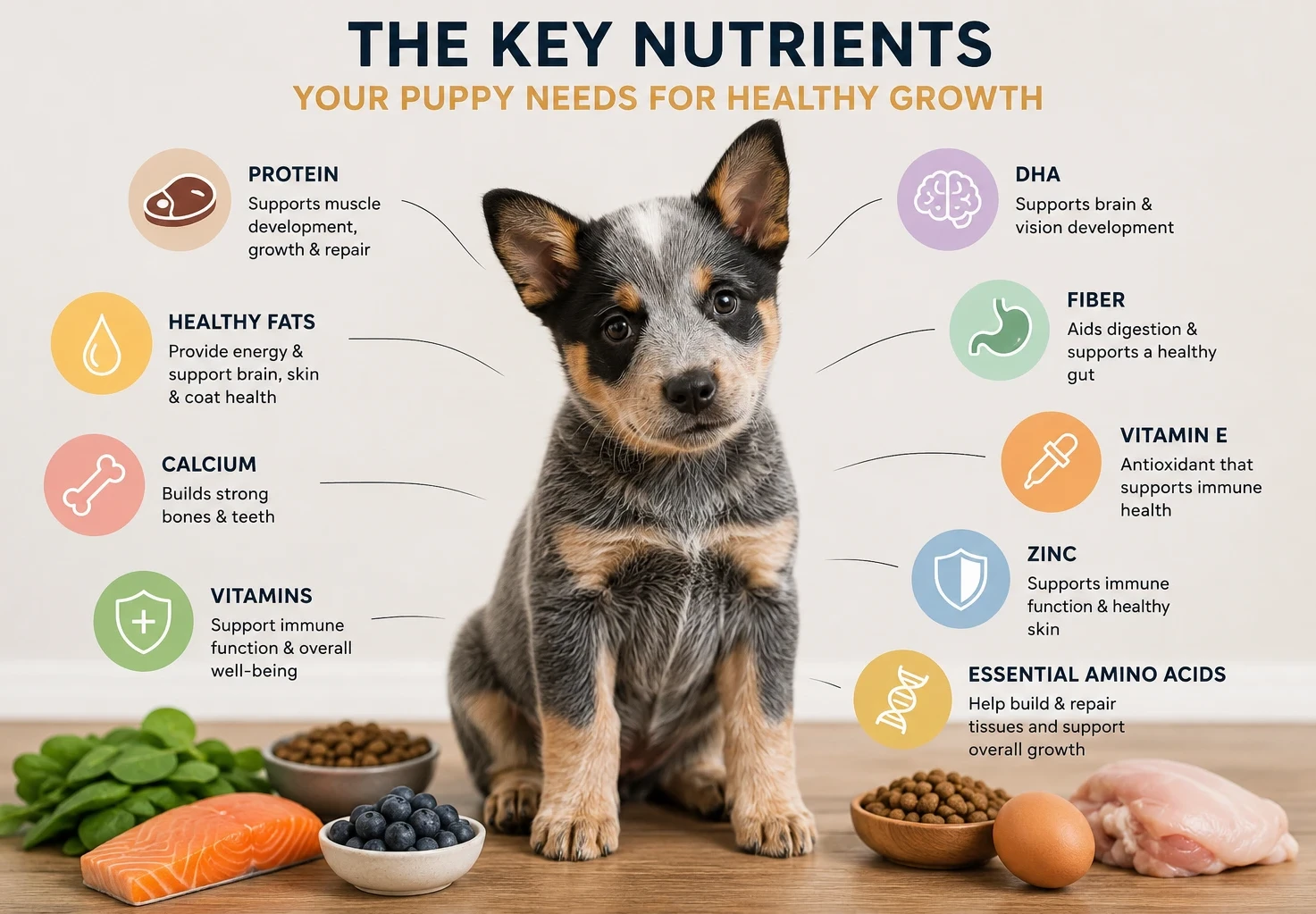
Choosing the Right Puppy Food
Puppy foods come in dry kibble, wet canned, and sometimes fresh or freezedried options. Each type has advantages, but quality kibble is often affordable, simple to store, and helps keep teeth clean. Wet food can be a good topper for taste or hydration.
- Read the label: Look for terms like “puppy,” “growth,” or “all life stages” (if it mentions puppies specifically). “Complete and balanced” is key.
- Check protein sources: Ideally, a specific meat or fish is listed near the top. The word “byproduct” appears sometimes—just focus on the food’s overall nutrition.
- Consider your puppy’s breed size: Large breeds need different nutrient ratios, especially for calcium and phosphorus, to prevent overly rapid growth. Foods marked for “large breed puppies” are worth using if your puppy will weigh over 50 pounds as an adult.
- Talk to your vet: Vets can help tailor advice if your puppy has a unique breed, is a mix with uncertain background, or faces any health oddities.
Changing foods too often leads to upset stomachs, so pick a solid option and make slow, steady transitions if you need to switch. Watch for allergies or stomach issues while your puppy adjusts.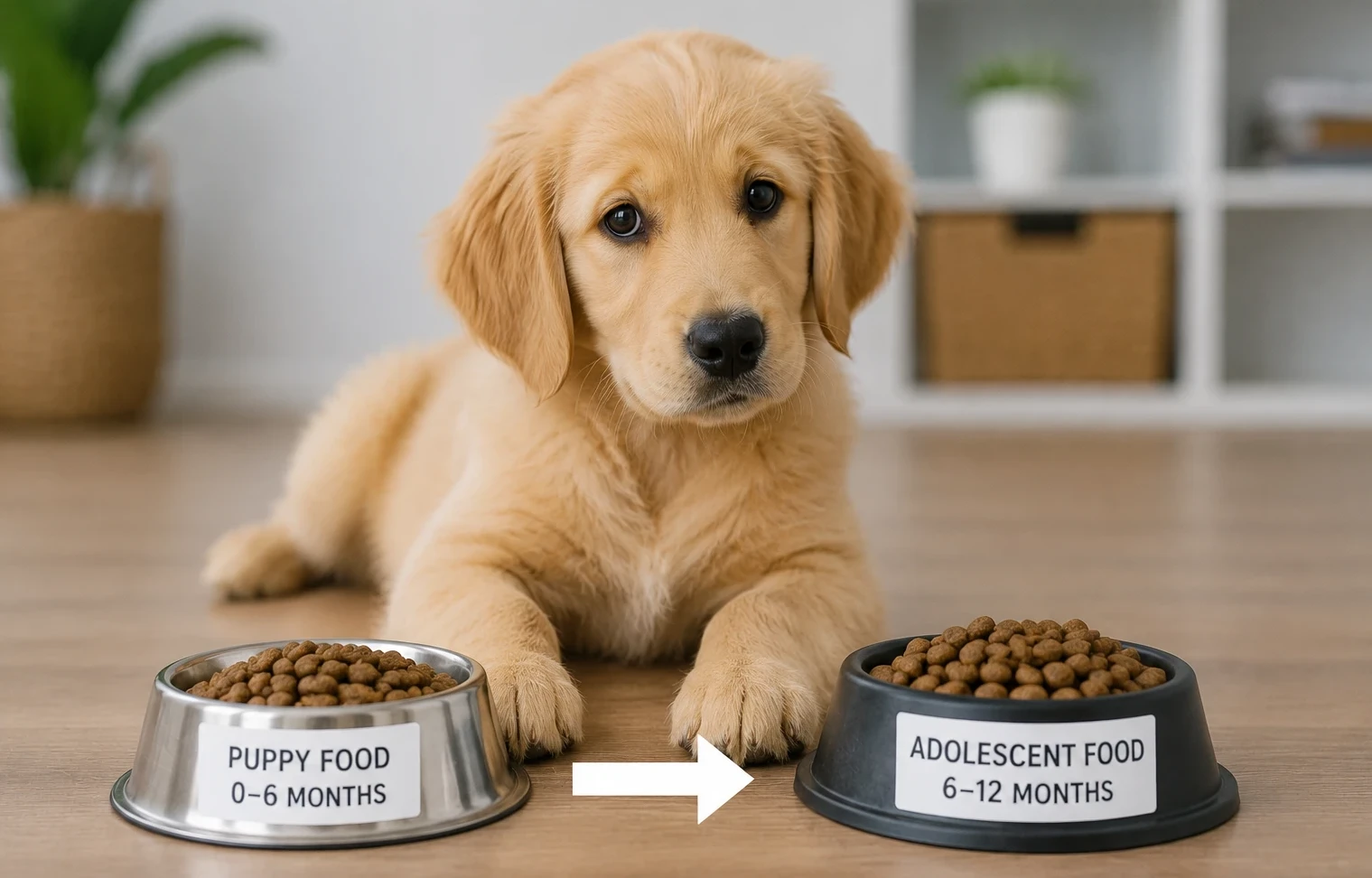
How Often Should You Feed a Puppy?
Puppies burn energy quicker than adults. They need to be fed more frequently, especially when small. Here’s a basic feeding schedule to remember (keep in mind, every puppy is a bit unique):
- 8-12 weeks old: Three to four small meals per day
- 3-6 months old: Three meals per day
- 6-12 months old: Two meals per day
Stick to regular feeding times instead of letting your puppy “graze” all day. This aids in house training, regulates their digestion, and helps you spot if they skip a meal—an early sign of illness.
Common Mistakes When Feeding Puppies
- Feeding adult food too early: Switching away from puppy food before your dog matures means missing crucial nutrients.
- Overfeeding or underfeeding: Chubby puppies may look cute, but extra weight can mean future joint trouble; not feeding enough might stunt growth. If you’re not sure, ask your vet to help you size up your puppy’s condition.
- Too many treats or table scraps: Too many extras can unbalance nutrition, and treats should be less than 10% of daily calories.
- Switching foods too quickly: Sudden food changes can bring on diarrhea or vomiting. When switching, take it slow for about a week.
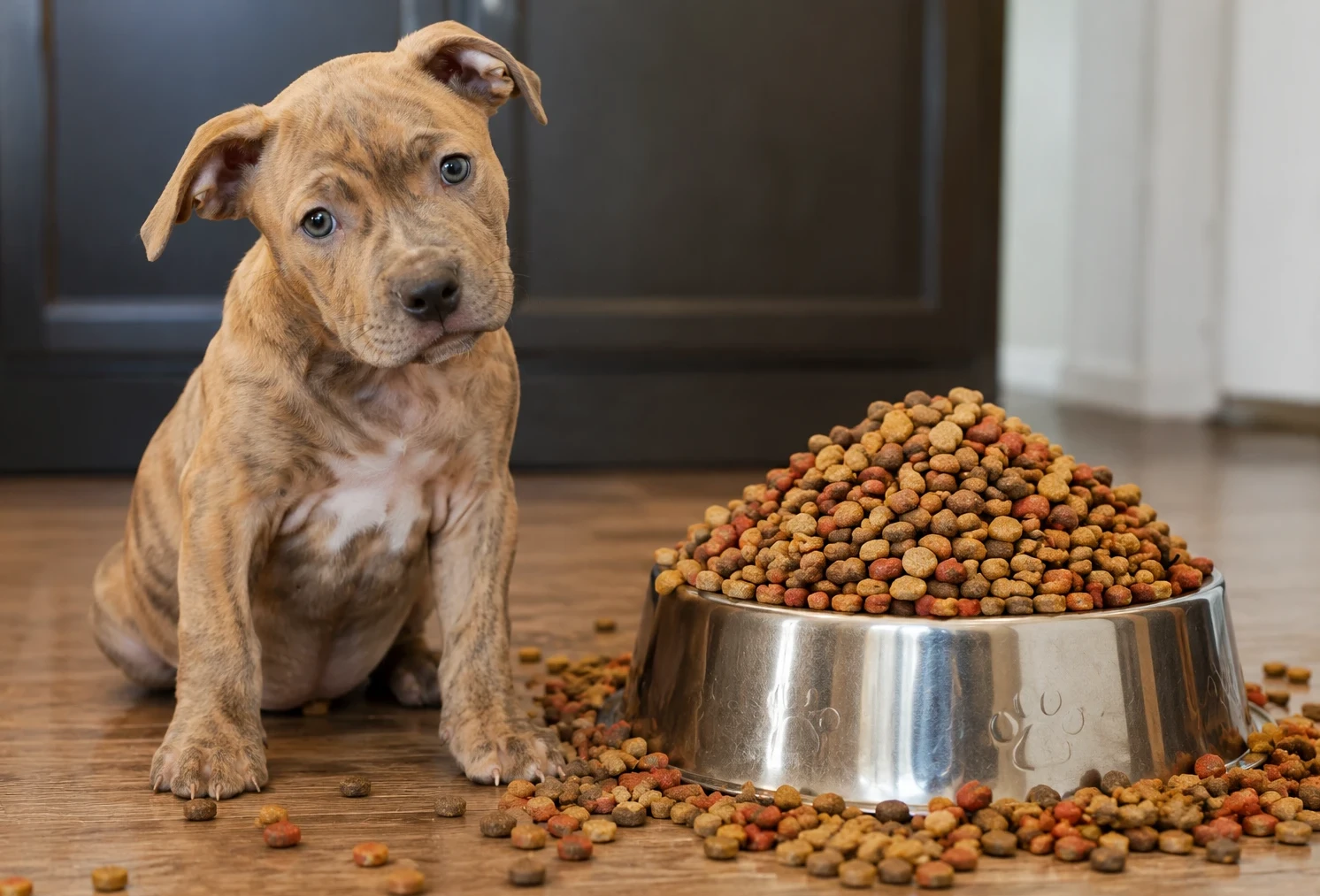
Transitioning Your Puppy to New Foods
When you need to switch your puppy’s diet—like moving from breeder recommendations or as your puppy grows—a gentle transition is best:
- Start with about 25% new food and 75% old for a few days.
- Gradually increase new food and reduce the old, shifting over a week until your puppy is fully on the new food.
- Watch for signs like loose stools or changes in appetite. Some digestive upset can be normal, but if it persists, check in with your vet.
Homemade Diets and Raw Food for Puppies: What to Know
Lots of people are drawn to homemade and raw food diets, but take care. Puppies don’t leave much margin for error—diets missing key ingredients can cause serious issues quickly. If you want to cook for your puppy or go raw, do this with the help of a vet or a certified veterinary nutrition expert. That way, you make sure every meal hits all the nutritional points your puppy needs.
Troubleshooting: If Your Puppy Refuses to Eat
Puppies may go off their food if they’re stressed, adapting to a new home, or teething. If your pup skips a meal, don’t panic—it’s usually normal as long as your puppy seems lively and bright. But ongoing skipping, vomiting, diarrhea, or fatigue needs a vet visit to be safe.
Frequently Asked Questions About Puppy Nutrition
How can I tell if my puppy’s food is high quality?
Search for a “complete and balanced” label for puppies and a quality animal protein listed prominently. Foods with AAFCO approval or vet recommendations provide peace of mind.
Is grainfree good for puppies?
Grainfree diets have become popular, but they’re rarely necessary for puppies and might actually be risky for certain breeds. Unless your vet suggests it due to allergies or health issues, most puppies thrive on foods with grains.
When should I switch my puppy to adult food?
Puppies should eat special puppy food until they’ve completed most of their growth. For small breeds, this is usually 9-12 months, while bigger breeds might need puppy formulas for as long as 18-24 months. Your vet is the best advisor for timing the switch.
How much water does my puppy need?
Puppies always need access to clean water. Exactly how much they drink depends on their size, meal type (dry food means they’ll drink more), and how active they are day to day.
Recap: Your Puppy’s Mealtime Checklist
- Choose a puppy formula food labeled as “complete and balanced.”
- Check protein, fat, and calcium—especially with large breed pups.
- Feed three to four meals a day when very young, then shift to two as your puppy matures.
- Limit treats and stay away from table scraps unless the vet okays it.
- Switch foods gradually to avoid digestive upsets.
- Touch base with your vet regularly to monitor growth and health.
Puppy feeding might feel intimidating, but once you sort out the basics, it’s pretty straightforward. Serving up the right food and keeping mealtime on track gets your new companion on the path to great health, happiness, and plenty of puppy energy. Any time you’re in doubt, don’t hesitate to reach out to a vet or pet nutrition expert—they’re always there to lend a hand to help your pup thrive!