
Understanding canine body language is honestly one of the most underrated skills for anyone hoping to get better results with training. Dogs are always giving us clues about how they’re feeling, whether they’re totally relaxed, a bit nervous, or completely overwhelmed. Once you know how to spot these signals, your training sessions get smoother, and your relationship with your dog usually gets a boost too.
Why Canine Body Language Matters in Training
Dogs communicate differently from humans, and a lot of what they “say” doesn’t involve barking at all. They rely on pauses, subtle movements, and posture to get their point across. I’ve noticed that when I pay attention to these details, it’s a whole lot easier to figure out what’s working or not during training.
Misreading these signals can slow down progress or even make your dog fearful of training. Studies show that positive reinforcement based on the dog’s mood leads to better long-term learning. Understanding the difference between a relaxed, happy dog and a stressed or anxious one helps make every command and reward more meaningful.
Body language awareness is especially important with all the energetic, distracted, or rescue dogs out there. Many dog trainers agree: picking up on these cues early leads to more effective and compassionate training. Even a minor misunderstanding can change how a session goes, so recognizing early clues can help you smooth the way for a better connection with your dog in both training and daily life.
Getting Started: The Basics of Dog Body Language
Reading canine body language might sound tricky, but once you know what to look for, it turns into something pretty natural. Here are the main body zones I focus on:
- Tail: Tail position and movement tell a lot about mood.
- Ears: The direction and height of the ears signal attention or relaxation.
- Eyes: Soft, wide, or darting eyes signal various emotions.
- Mouth: A loose, open mouth usually means calm, while tight lips suggest tension.
- Posture: Relaxed muscles tell a totally different story from stiff, hunched positions.
Start by watching your dog when nothing out of the ordinary is happening. This gives you a baseline, so you can compare how they act when they’re happy, scared, or wound up. I’ve found it helpful to keep a little notepad handy to jot down changes, especially when introducing new environments or cues. Getting friends or family to observe can also help spot behaviors you might miss since different people notice different details.
With time, you’ll get a sense of your dog’s normal. This helps you quickly spot when something is off or when your dog is especially relaxed or tuned in during training. Remember, patience is key here, as every dog is unique, and some signals are more subtle than others.
Recognizing Key Emotions in Dogs
Dogs don’t just flick a switch between “good” and “bad.” Their moods can switch up quickly based on what’s happening around them. Spotting the difference between happy, anxious, fearful, or overstimulated dogs makes all the difference in training results. Here’s what those look like in real situations:
Happy and Relaxed Dogs
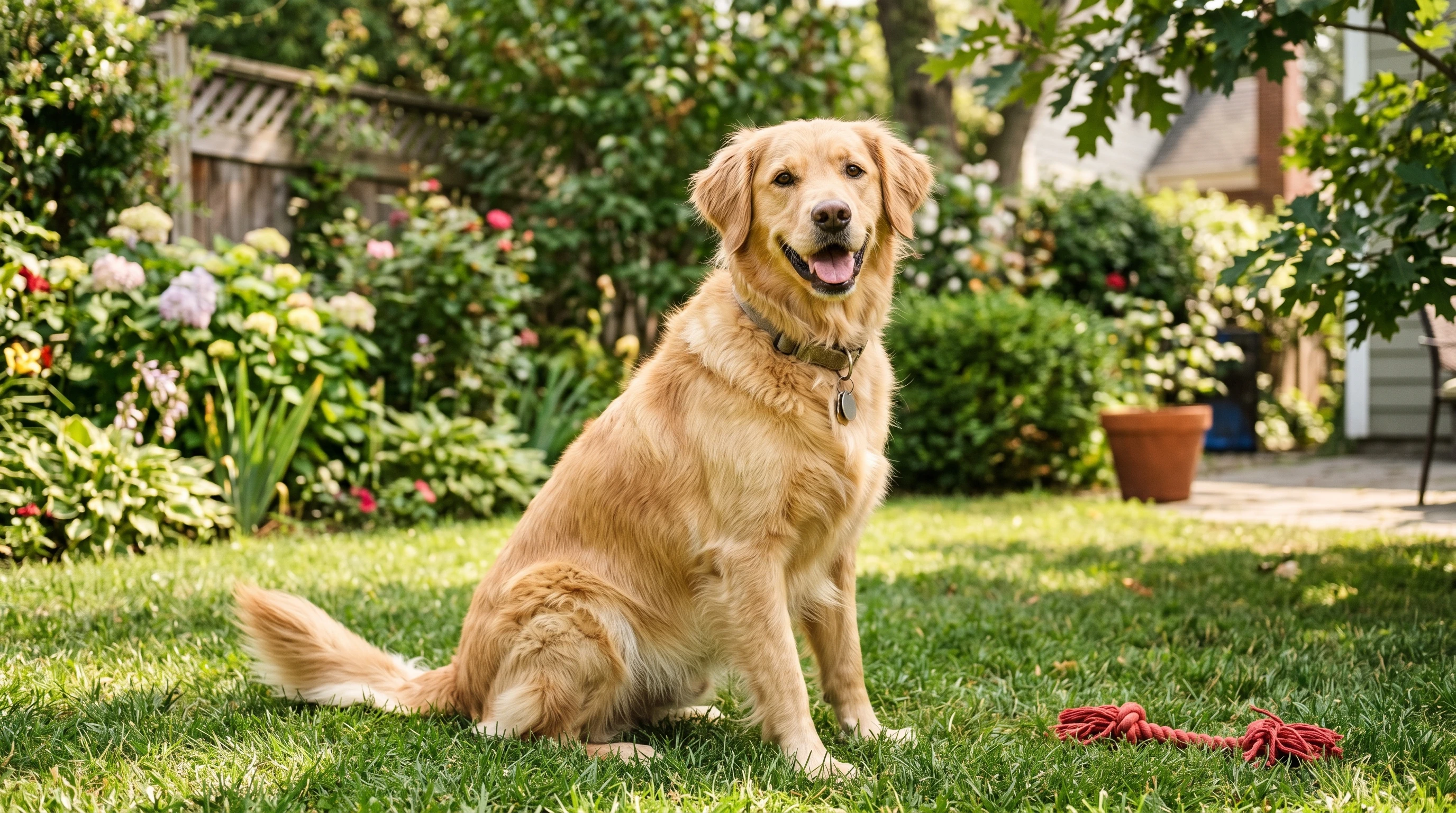
You’ll see a wagging tail that’s loosely swinging from side to side, soft eyes, relaxed ears (sometimes flopped to the side in certain breeds), and a mouth that’s open in almost a “smiling” way. The entire body seems wiggly and loose, which is just what you want for positive training sessions.
When I’m working with a happy dog, I notice engagement and curiosity. They’re usually up for learning new things, following commands, or playing fetch without hesitation. A curious dog will often come toward you with interest and may even sit or lay down quickly when asked, all signs that they’re comfortable and focused.
Anxious Dogs
Look for more subtle signs such as the tail tucked lower (not always between the legs), ears pulled back, and eyes that look wide or are darting around the room. Licking lips when there’s no food around, yawning, or avoiding eye contact are signs my dog is feeling unsure.
It’s super important to go slow with anxious dogs. If I notice these stress signals, I back off and give lots of encouragement until my dog feels safe and relaxed again. That way, training stays a positive experience. Sometimes, simply changing the environment or lowering the difficulty of an exercise can help reduce uncertainty and build confidence over time.
Fearful Dogs
Fear is a step up from anxiety. I see stiff or crouched body posture, tail held tightly under the body, ears flat to the head, and pupils dilated. Sometimes there’s trembling, attempts to hide, or even freezing in place. Dogs in this state sometimes show the whites of their eyes (“whale eye”) or may growl, snap, or bark if pushed.
When I come across these signs, I immediately stop what I’m doing and give the dog space. Training in this state won’t work and could make things worse; my main focus is helping the dog feel safe first. Creating a comfortable, supportive atmosphere away from loud noises or unfamiliar people can make a huge difference in helping fearful dogs get back to a more relaxed state.
Overstimulated or Excited Dogs
These are the dogs that seem like they’ve had three cups of coffee. There’s usually a high, fast wagging tail, springy movements, barking, whining, and maybe even jumping or spinning. Their pupils might be wide, and their attention bounces everywhere except on me.
With excitable dogs, I like to start a quick play session or give them an outlet for energy: maybe a game of tug or a short walk, before trying to train. This helps them settle down, so they’re ready to focus. Learning how to channel that excitement into calm focus is an ongoing process, but with patience and consistency, dogs will often learn to switch from play mode to training mode easier over time.
Common Body Language Mistakes in Dog Training
A lot of folks unintentionally overlook signals because they expect dogs to communicate like people. Here are some common mistakes I always remind myself to avoid:
- Ignoring Calming Signals: Things like yawning, turning the head away, or slowly blinking mean the dog is trying to calm things down. Ignoring these can lead to fear or avoidance.
- Forcing Interactions: Trying to train when a dog is clearly anxious or scared slows progress and makes training negative in their eyes.
- Overusing Repetition: Repeating cues when a dog is obviously frustrated or confused doesn’t help. Instead, I look for reasons behind their body language changes and mix in more rewards or take a break.
Slowing down and actually seeing what your dog is “saying” with their body is a real game changer. It’s easy to get caught up in our own expectations but taking a pause to check on your dog’s mood keeps sessions positive and productive.
Tools and Techniques for Observing Body Language
Some of the best advice I ever got was to use video to review interactions. I prop up my phone during sessions and watch later for any small details I might’ve missed. Over time, this has helped me get better at catching the early signs of stress or excitement.
Using mirrors or asking friends to observe can give a new angle too. There are even body language charts and apps to help identify typical signals for various breeds. For example, the ASPCA has some great visual guides worth checking out (see their resource here).
Remember, each dog is unique. What looks relaxed in one breed may seem totally different in another. Shorthaired dogs often show muscle tension clearer than fluffy dogs, so I pay closer attention to movement and posture with each individual dog. Try keeping a training journal or taking regular photos to compare moods across different contexts. These tools help track your dog’s emotional progress and can also be useful if you ever work with a professional trainer down the line.
Real-World Examples and Tips for Training
I figured it might help to share some quick personal stories and actionable tips:
- Happy Tail Wagging: When my dog’s tail is wagging in a slow, sweeping motion, I know she’s ready to work on cues. This is when I add new tricks or reinforce old ones.
- Anxious Licking: During group classes, I once spotted my dog licking her lips repeatedly instead of taking treats. I paused training for a short break outside. Next session, I came prepared with highervalue treats and introduced distractions more slowly. She got more comfortable over time.
- Overexcited Zoomies: When my dog races around during practice, I don’t push for perfect obedience. Instead, I use that energy for active games and slot in training after she’s settled.
- Observing Other Dogs: Watching dogs at the park or in group settings is also a great way to build your eye for body language. Every dog reacts differently to new surroundings and people; this is a great education outside of your own home.
Always reward calm, focused behavior, and turn training into a positive, predictable experience. I find this is the best way to build trust and longterm results. If you spot signs of stress, don’t hesitate to adjust your approach or give your dog a break. With time and attention, you’ll spot patterns and figure out the best ways to work together.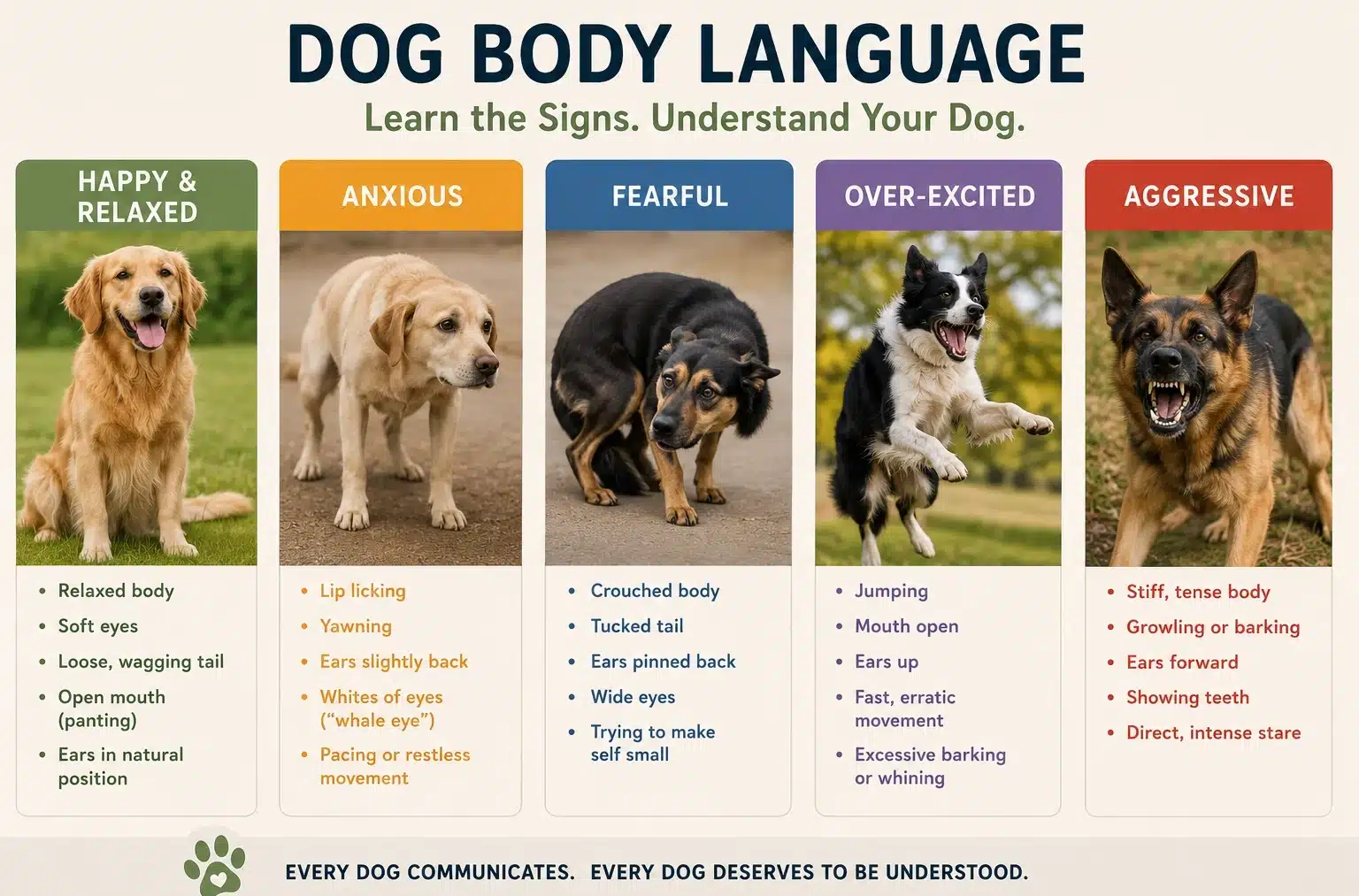
Frequently Asked Questions About Canine Body Language in Training
Here are some questions I get a lot, based on my own training adventure:
Question: How do I know if my dog is stressed during training?
Answer: Watch for subtle signs like licking lips, yawning, freezing, or avoiding eye contact. If you spot any of these, slow down and give your dog some space or encouragement.
Question: Can certain breeds be harder to read?
Answer: Yes! Fluffy breeds or dogs with cropped tails or ears can hide their feelings better. Spend extra time learning their personal signals and reinforce in a way that suits them best.
Question: What should I do if my dog goes from happy to fearful quickly?
Answer: Stop what you’re doing, let your dog move away or take a break, and figure out what triggered the fear. Never punish a fearful response. Always work on building up positive experiences instead.
Question: How do I tell the difference between excitement and stress?
Answer: Excited dogs will have loose, wiggly bodies and may try to play, while a stressed dog shows tension and avoidance. Context matters: look at the whole dog, not just one part, to get a sense of what’s going on.
Making Body Language a Part of Everyday Training
Getting better at reading your dog’s body language is honestly one of the simplest things you can work on to improve training results. Noticing what’s going on with their tail, ears, eyes, and posture is worth practicing, whether you’re at the park, in the living room, or anywhere else.
The more time you spend paying attention to these signals, the easier it gets to tell what works, and what doesn’t, for your unique dog. Training becomes smoother, less stressful, and a lot more fun for both of you. Keep watching, keep learning, and enjoy every small win—happy training!