
CBD has quickly become a buzzword in the pet world. I’ve received a bunch of questions about how it works for dogs and what the real science says. If you’re thinking about CBD for your pup, maybe to help with pain, anxiety, or to give a boost to their overall wellbeing, getting a good handle on the basics is super important. Here’s an all-in-one look at the science behind CBD and what it really means for canine health.
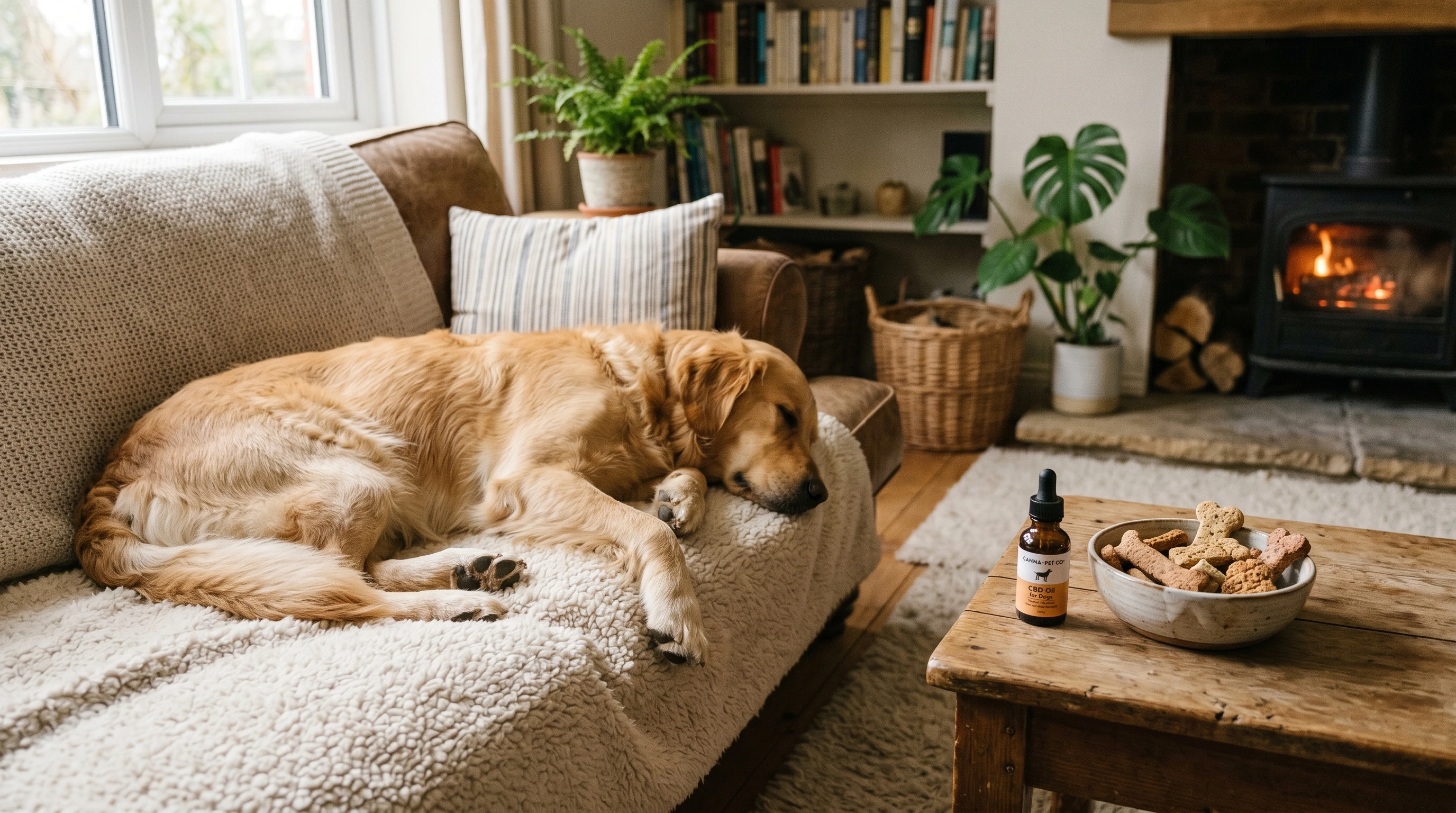
What is CBD, and How Does it Work in Dogs?
CBD stands for cannabidiol, which is a compound found in the cannabis plant. Unlike THC (the one that gets people high), CBD will not cause a “high” feeling. It’s a nonintoxicating phytocannabinoid, and that’s why veterinarians are starting to get curious about how it might help dogs without those typical marijuana effects.
Dogs, just like people, have something called an endocannabinoid system (ECS). This is a fancy name for a network inside the body that helps keep things in balance—mood, appetite, pain response, immune system, and more. When a dog gets CBD, that compound interacts with the ECS, mainly by affecting receptors called CB1 (found mostly in the brain) and CB2 (spread throughout the body, especially the immune system). The result? CBD can help the body calm down, manage pain, and chill out inflammation. That’s the scientific foundation for a lot of the claims you hear about CBD helping with mobility, stress, or aging in dogs.
One point worth adding is that research suggests the ECS works as a sort of universal balancing system across many animals, not just people. Scientists are still exploring just how this system works, but it’s clear it plays a vital role in regulating several core processes in mammals, including dogs. By stimulating the ECS, CBD can act like a natural helper to keep things running smoothly in your pup’s body.
Science-Backed Benefits of CBD for Canine Health
CBD in dogs is still a growing area of research. While major universities are running studies, most of what we know so far comes from small clinical trials, surveys of pet owners, or veterinary reports. Still, here are some areas where the science is starting to catch up with the buzz:
- Pain and Inflammation: Early studies and plenty of anecdotal stories show CBD may help dogs manage arthritis and joint pain. A 2018 Cornell University study found that dogs with osteoarthritis improved in comfort and activity when given CBD oil regularly. Less pain means a happier, more active dog.
- Anxiety and Stress: CBD interacts with serotonin receptors in the brain, which can lead to a calmer dog during storms, travel, or separation from you.
- Seizures and Neurological Support: One of the best-documented uses comes from studies on dogs with epilepsy. The AKC Canine Health Foundation is even funding long-term research to see how effective it is compared to regular medications.
- Skin and Allergies: Because of its antiinflammatory properties, many owners report smoother skin and less itching, even in dogs prone to allergies.
I always remind people that the research is pretty early, so while these benefits look promising, expectations should stay realistic.
Some researchers are also looking into how CBD can support digestive health or even play a part in cancer care by helping ease nausea and improve appetite. While these uses are still being checked out by experts, it’s clear that CBD’s multitasking potential is part of what’s fueling its popularity among pet parents and vets.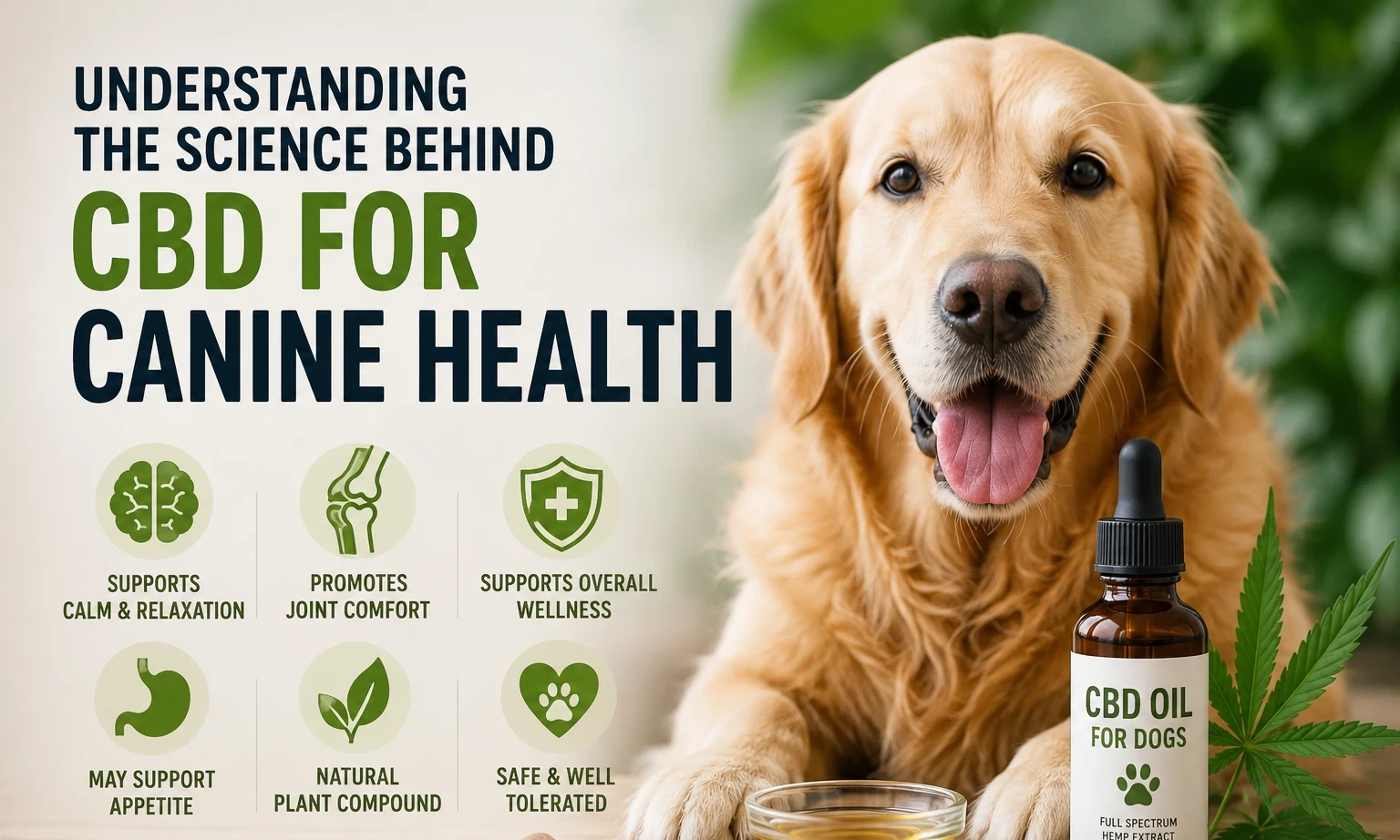
How to Get Started Safely With CBD for Dogs
If you’re thinking about adding CBD to your dog’s routine, taking slow, thoughtful steps helps reduce risks. Here’s a simple guide that many pet parents (myself included) find useful:
- Talk to Your Vet: Some states let vets recommend CBD, but others don’t. Still, your vet knows your dog’s health best and can guide you, especially if your dog takes other meds.
- Pick a Quality Product: Go for CBD that’s hempderived, organic, and tested by a thirdparty lab. Certificates of analysis are really important; they show exactly what’s in the bottle, including the amount of CBD and proof that it’s free from heavy metals or contaminants. A few products that I recommend Honest Paws, King Kanine or Pet Releaf.
- Start Low and Go Slow: Start with a tiny dose and watch for any side effects. Gradually increase as needed, following label instructions. The right amount can depend on your dog’s size, age, and metabolism.
- Monitor and Adjust: Keep a log of how your dog is acting—energy, appetite, sleep, and symptoms. Tweaking the dose or trying a different format (oil, biscuit, capsule) may bring better results.
Sticking to a routine—giving CBD at the same time every day—makes it easier to track changes and tell if it’s helping. Consistency offers better results and makes it easier to talk with your vet about what’s working and what isn’t.
It’s also good to remember that every dog’s response is unique. You might see changes right away, or it could take some time. Keeping an open line with your veterinarian and tracking your pup’s progress sets everyone up for success.
Things to Think About Before Giving CBD to Your Dog
CBD might sound like a cureall, but it isn’t magic. There are a few smart things to keep in mind before you buy your first bottle:
- CBD Quality and Source: Highquality USgrown hemp is usually more reliable. Cheap knockoff products can be inconsistent, or even unsafe, due to poor manufacturing or contamination. Brands that offer lab reports are worth checking out.
- Delivery Method and Dosage: Oils and tinctures allow for easy adjustments, but treats can be more fun for dogs to take. Each method absorbs a little differently, so the effects can vary.
- Side Effects: Most dogs tolerate CBD very well, but mild drowsiness, looser stools, or changes in appetite occasionally show up. Spotting these early and adjusting the dose can help.
- Drug Interactions: CBD is broken down by the liver, so it might interact with some common medications. That’s one more reason why checking in with your vet is really important if your dog is already on other drugs.
CBD Quality and Source
I’ve personally found that brands with clear thirdparty lab testing tend to be safer. Look for ingredients you recognize and avoid ones with unnecessary fillers or artificial colors. Directsourced US hemp also follows more strict guidelines, which helps with consistency and safety.
Delivery Method and Dosage
Oils let you start with small drops, making it easy to fine tune. If your dog is picky, treats are a solid backup, but check the label to see how much CBD is actually in each treat or chew. Potency matters for results. I usually begin with the brand’s recommended starting dose, then adjust based on my dog’s behavior and weight.
For some families, mixing up delivery methods—a few drops mixed into food, or a soft chew before bedtime—can be useful in finding what your dog likes most and what works best for their lifestyle.
Side Effects and Monitoring
Watch out for any changes; sluggishness, extra thirst, or softer stools might be signs you’ve overdone it. Most of the time, simply lowering the dose makes things right. If anything unexpected pops up, or if your dog has a health condition, calling your vet is always the smart move.
Drug Interactions
CBD and some common drugs (like antiseizure meds or heart meds) can compete for the same liver pathways. Your vet may recommend tweaking other medication doses, or they might want to closely monitor lab work if your dog will be trying CBD over the long term.
CBD isn’t a substitute for solid veterinary care, but for some dogs, it’s become part of a sensible wellness plan.
Tips for Making the Most of CBD in Your Dog’s Routine
Tweaking some small habits can make CBD work better for your pup. Here are a few practical tips I always share with fellow pet parents:
Consistency is Key: Giving your dog CBD at the same time every day helps maintain steady levels in their system. This makes it easier to spot changes and figure out what dose brings the best comfort.
Pair With Other Wellness Strategies: CBD might give extra support for pain or anxiety, but you’ll get the best results when it’s teamed up with other healthy habits, including a balanced diet, gentle exercise, and regular vet checkups.
Keep Detailed Notes: Tracking things like energy, mood, and symptoms over a few weeks can help you see if CBD is making a real impact. It also helps your vet get a clearer picture if you check in down the road.
Watch for Product Updates: CBD companies tweak their formulas often, so check for changes in concentration, ingredients, or batch certifications before restocking. Staying in the loop helps you make the most of safe, effective products.
Popular FAQs About CBD for Dogs
These are some questions I hear all the time from other dog owners:
Question: Is CBD legal and safe for dogs?
Answer: CBD from hemp is federally legal in the US if it contains less than 0.3% THC, but state laws vary. Quality matters most for safety, so stick with trusted brands that provide lab reports.
Question: How long does CBD take to work in dogs?
Answer: Some dogs show changes in 30 to 60 minutes after an oral dose, especially for anxiety or pain. Long term effects, such as improved mobility, can take days or weeks. Consistency and accurate dosing play a big role.
Question: Can my dog overdose on CBD?
Answer: CBD overdose is extremely rare and usually not life threatening. However, very high doses may cause sedation or upset digestion. Sticking to recommended ranges keeps things safe.
Final Thoughts on Using CBD for Dogs
Understanding the science of CBD helps you make smart choices for your dog’s health. There’s a growing body of research showing that CBD can be helpful, especially for pain, anxiety, and seizures, but using it wisely means focusing on quality, solid routines, and staying in touch with your vet. With those bases covered, CBD can be a helpful part of a wellrounded approach to keeping your dog comfortable and happy.
As new studies come out, keep reading, talking to pet professionals, and trying small adjustments that might help your pup feel their best. CBD may not be a miracle fix, but it’s gotten a lot of dogs and their owners one step closer to better days together.