
Keeping dogs safe at home and on the go becomes one of those things that shapes your whole routine as a pet owner. Between outdoor walks, playtime in the yard, and all sorts of household hazards, there’s a lot to keep track of if you want your pup living a long, happy, and healthy life. Here’s what I pay attention to with my own dogs, along with practical pet safety tips I’ve learned that really help dog owners every day.
Why Dog Safety Matters Every Day
Looking out for your dog’s safety isn’t only about avoiding big emergencies. Everyday situations, like a door left open, chocolate on the table, or an unleashed playdate at the park, can turn risky pretty quickly. Dogs, especially when curious or excited, can get into trouble faster than you might expect. For instance, one moment your dog is quietly sniffing in the kitchen, and the next, they might have something dangerous in their mouth.
The American Veterinary Medical Association reports that millions of pets end up in veterinary clinics each year from accidental injuries or toxic exposures that are entirely preventable. So, it’s pretty important to keep an eye on your dog’s environment, whether they’re lounging indoors or playing outside in the fresh air.
Getting Your Home Dog-Safe
Safety for your dog actually starts right inside your own house. Even if you think your place is dogfriendly, there are sometimes hidden risks you might not notice right away. Creating an environment that supports your dog’s wellbeing helps you and your furry friend have stress-free days and nights.
- Check for Poisonous Foods: Foods like chocolate, grapes, onions, garlic, and especially artificial sweeteners such as xylitol are really harmful for dogs. I always store these way up high or in a cabinet with a baby lock to block curious paws.
- Secure Trash Cans: Dogs are natural foragers, and mine is a professional! Using lids that lock or putting bins in cabinets can prevent your dog from finding bones, wrappers, or other items that could cause choking or an upset stomach.
- Hide Electrical Cords: Puppies especially love to chew. Tucking cords behind furniture or using protective covers keeps those sharp little teeth away from danger.
- Keep Houseplants Out of Reach: Many popular plants, from lilies to certain succulents, can be toxic to dogs. Choose petsafe plants or place them on shelves safely above reach.
- Medicine and Cleaning Supplies: Always keep medicines and cleaning sprays up high or in latched cabinets. Dogs like to nose around, and accidents happen quickly.
On top of the basics, consider adding cordless window blinds and keeping small objects, like coins, buttons, and rubber bands, off surfaces where your dog likes to roam. Sometimes it’s the little things that pose the sneakiest risks.
Setting Up a Safe Yard and Outdoor Space
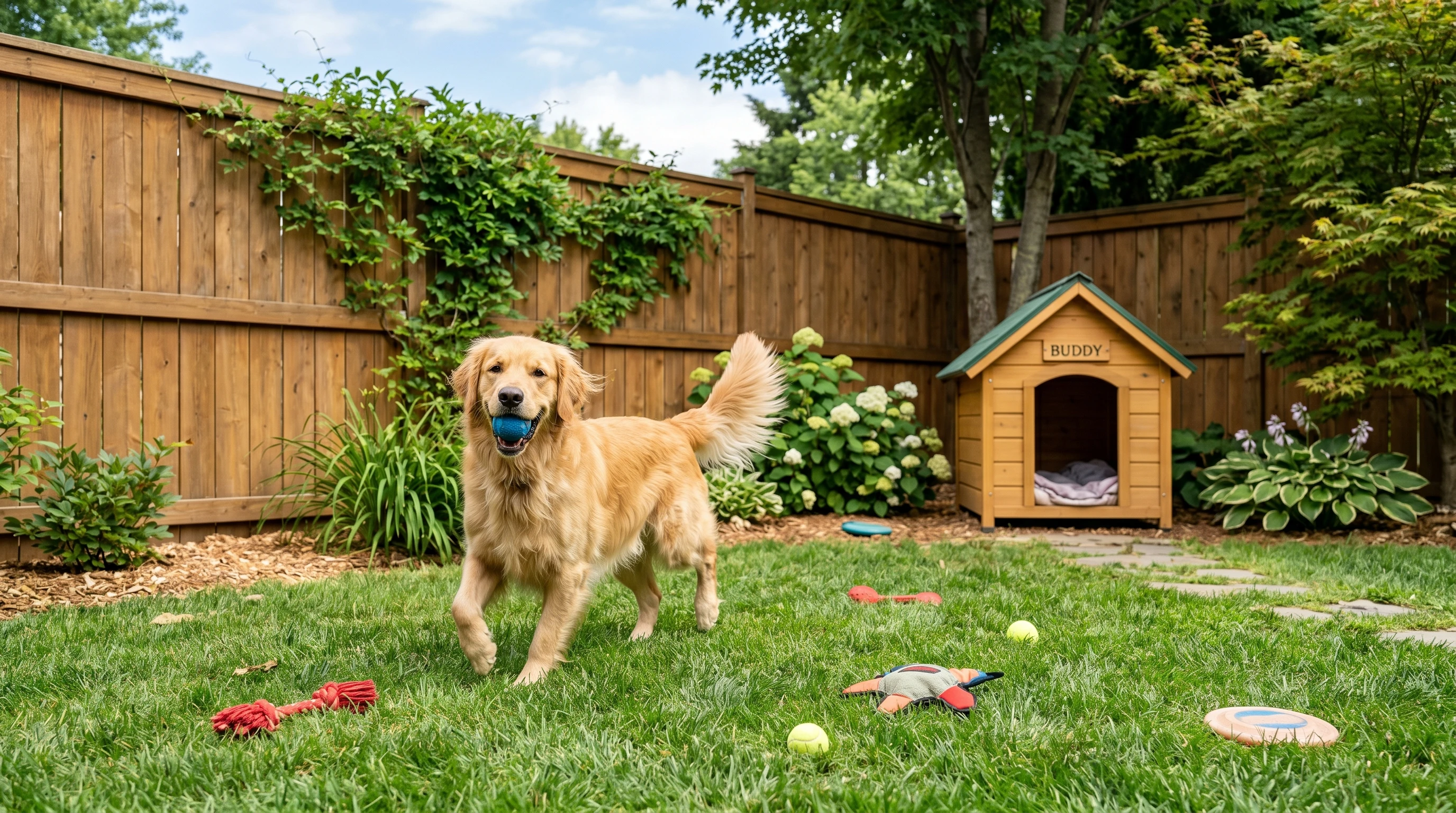
It’s wonderful how much your dog can enjoy the backyard, but keeping that area secure is crucial for their safety and your own peace of mind. A good outdoor setup lets your dog get plenty of activity and play without stress.
- Fence Off the Yard: A sturdy fence with no holes or loose boards keeps pups safe from street traffic, wild animals, and possible escapes. Always check for gaps or low spots, especially if your dog likes to dig under the fence or squeeze through tight spaces.
- Remove Toxic Plants: Make sure nothing growing in your yard is going to harm your dog if chewed. Azaleas, sago palms, and oleander are just a few plants to watch for. Research what’s growing, especially if you’ve just moved into a new home.
- Pick Up Tools and Sharp Objects: Garden shears, rakes, and hoses should have a safe storage spot. I learned this after my own dog had a little too much fun with a sprinkler attachment once—fortunately, no harm done, but now I always put things away.
- Use Petfriendly Pest Control: Lawn sprays, fertilizers, and rodent baits can be tricky. Look for nontoxic alternatives or keep dogs off recently treated areas until you know they’re safe to play.
If your pup is a digger, you might need to walk the perimeter more often. And for those with pools, always have a gate or cover to prevent accidents, since not all dogs are natural swimmers.
Smart Safety Tips for Walks and Outings
Walks are usually the highlight of any dog’s day (honestly, for me too), but they come with their own set of risks if you’re not careful. Neighborhoods, trails, and even dog parks all need a bit of extra attention to keep the fun going smoothly.
- Use the Right Leash and Collar: I always use a secure harness or collar and a sturdy leash. For dogs that pull or jump, a harness means better control and is easier on their neck.
- Stay Visible: Early morning or evening walks call for reflective gear for both you and your pup. Pet stores usually carry reflective collars, lightup tags, and even LED leashes so you can be seen from far away.
- Anticipate Hazards: It helps to avoid busy roads, places with broken glass, or areas that might have wild animals. Sometimes your dog will spot a rabbit or squirrel before you even realize it, so stay alert.
- Watch the Weather: Hot pavement burns paws quickly, and icy conditions can cause slips. Go out early or late to avoid the midday heat, and stick to grassy or shaded areas when possible.
Always bring water along for longer adventures, both for you and your dog. If you’re heading for unfamiliar places, keep an extra towel, treats, and a waste bag handy, so you’re prepared for anything.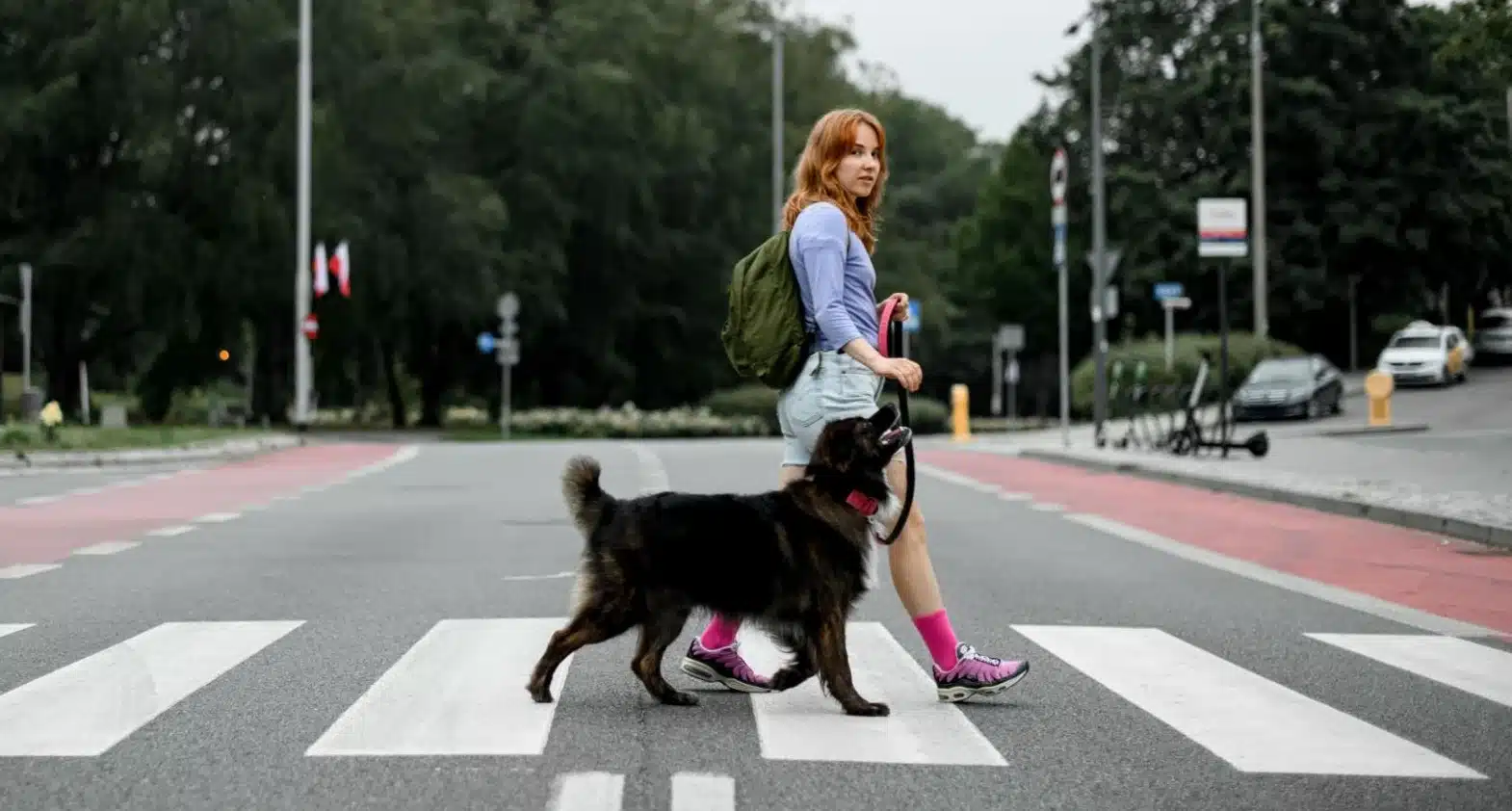
Dog-Proofing For Special Situations
Some situations need extra care, like bringing home a new puppy, preparing for guests, or getting ready for a road trip or vacation. These moments are exciting, but they also require some extra planning.
PuppyProofing the Home
Puppies are famous for getting into trouble. Baby gates are a lifesaver for blocking off rooms, while keeping shoes, laundry, and small items off the floor helps prevent accidents. Always keep an eye on anything your puppy could chew, swallow, or tangle with.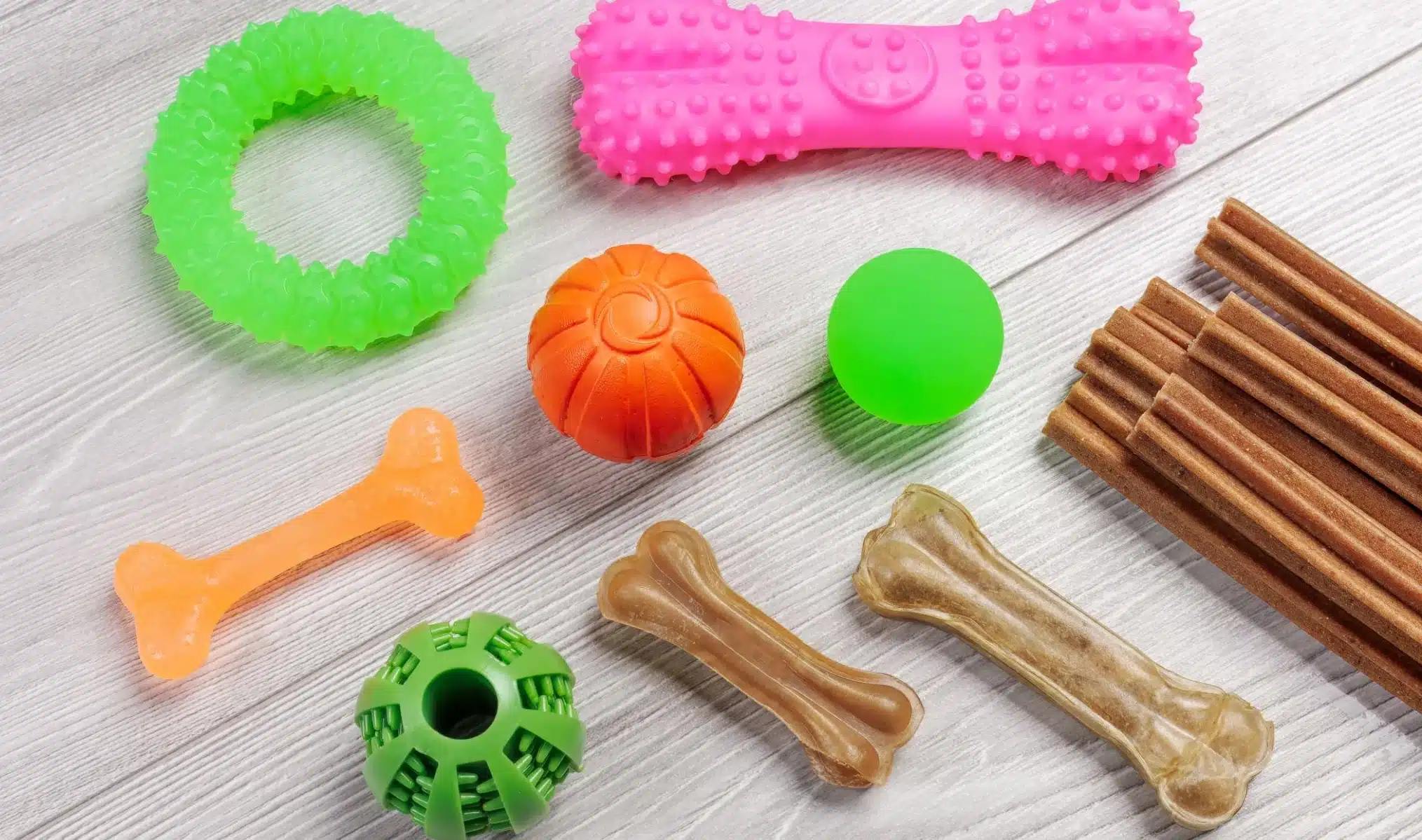
Making Your Home Safe When Visitors Arrive
When friends or family are over, keep doors and gates closed. If your dog is jumpy or nervous, a quiet room with toys and water can give them a safe retreat. Let guests know not to feed your pet people food or treats without checking with you first, since some snacks could cause tummy trouble or worse.
Travel and Car Safety Tips
- Dog Seat Belts and Crates: I always buckle my dog in with a special harness or travel crate, regardless of how short the trip is. Loose dogs in cars can get hurt, distract the driver, or cause accidents.
- Never Leave a Dog Alone in a Car: Temperatures can climb much faster inside than you might realize. Even with windows open slightly, a car can get dangerously hot or too cold in minutes.
For road trips, pack food, water, and your dog’s favorite toys, along with any medication they might need, to make travel safer and more comfortable for everyone involved.
Keys to Emergency Preparedness for Dog Owners
Surprises happen, and it’s always easier to handle them if you have a plan in place. Here’s what I recommend for emergency prep:
- Know Your Vet’s Number: Keep your vet’s info posted in a clear spot—mine is on the fridge so everyone can find it quickly.
- Have a Pet First Aid Kit: Pack gauze, bandages, a digital thermometer, tweezers, and a copy of vaccinations and medical records.
- ID Tags and Microchips: Always keep your dog’s ID tags current, and consider microchipping for extra peace of mind. This is one way lost pets reunite with owners faster.
- Plan for Natural Disasters: If you live somewhere prone to hurricanes, wildfires, or floods, have a carrier, leash, water, and essential paperwork ready. Many emergency shelters require proof of vaccinations if you need to evacuate with your dog.
It also helps to teach basic commands like “come,” “stay,” and “leave it” so your dog listens well in stressful moments.
Common Hazards to Watch For
Dogs have a knack for finding trouble, which is why I’m always keeping an eye out for these common hazards:
- Choking Hazards: Keep small toys, hair ties, and kids’ building blocks picked up and away from curious mouths. Even socks can pose a threat.
- Open Windows and Balconies: Screens are usually too flimsy for a leaping dog. Stick to closed windows or install safety guards where needed, especially for dogs who like heights.
- Garage and Workshop Dangers: Chemicals like antifreeze are irresistible to dogs but highly toxic. Always clean up spills promptly, and keep products stored high or in locked cupboards.
Don’t forget that things like batteries, insect traps, and loose change left around can also pose unexpected hazards to any curious pup.
Frequently Asked Questions
Here are answers to some of the most common questions I get from other dog owners about safety.
Question: What should I do if my dog eats something toxic?
Answer: Try to figure out how much they ate and call your vet or the Pet Poison Helpline right away. Don’t wait. Acting quickly gives your dog a better shot at a full recovery.
Question: How do I keep my dog safe when home alone?
Answer: Secure all doors and windows, and block off rooms where hazards might lurk. I leave treat toys or puzzles out to keep my pup entertained while I’m gone, and check in when I can.
Question: What’s the best way to dog-proof my home if I have a clever or determined dog?
Answer: Some dogs figure out cabinet locks and how to open doors! Try childproof locks, latch doors, or even set up an indoor camera for peace of mind when you’re not home.
Best Practices for Long-Term Dog Safety
Keeping your dog safe is an ongoing process. These habits help keep things running smoothly over the long haul:
- Double-check both indoor and outdoor spaces regularly for new or lurking hazards.
- Keep your dog’s microchip and ID tag information accurate, especially after moving or getting a new phone number.
- Keep up with regular vet visits and stay on schedule for vaccines and preventives to avoid illnesses or parasites.
- Practice key commands like “leave it” and “stay” so your dog listens reliably, making both home life and outings much safer.
Nothing beats the peace of mind that comes from a safe, happy dog. When you stay aware, think ahead about potential hazards, and always have a backup plan, you make pet ownership a joy for everyone, your dog included. Remember, a little care goes a long way, giving your furry companion the happy, carefree life they deserve.