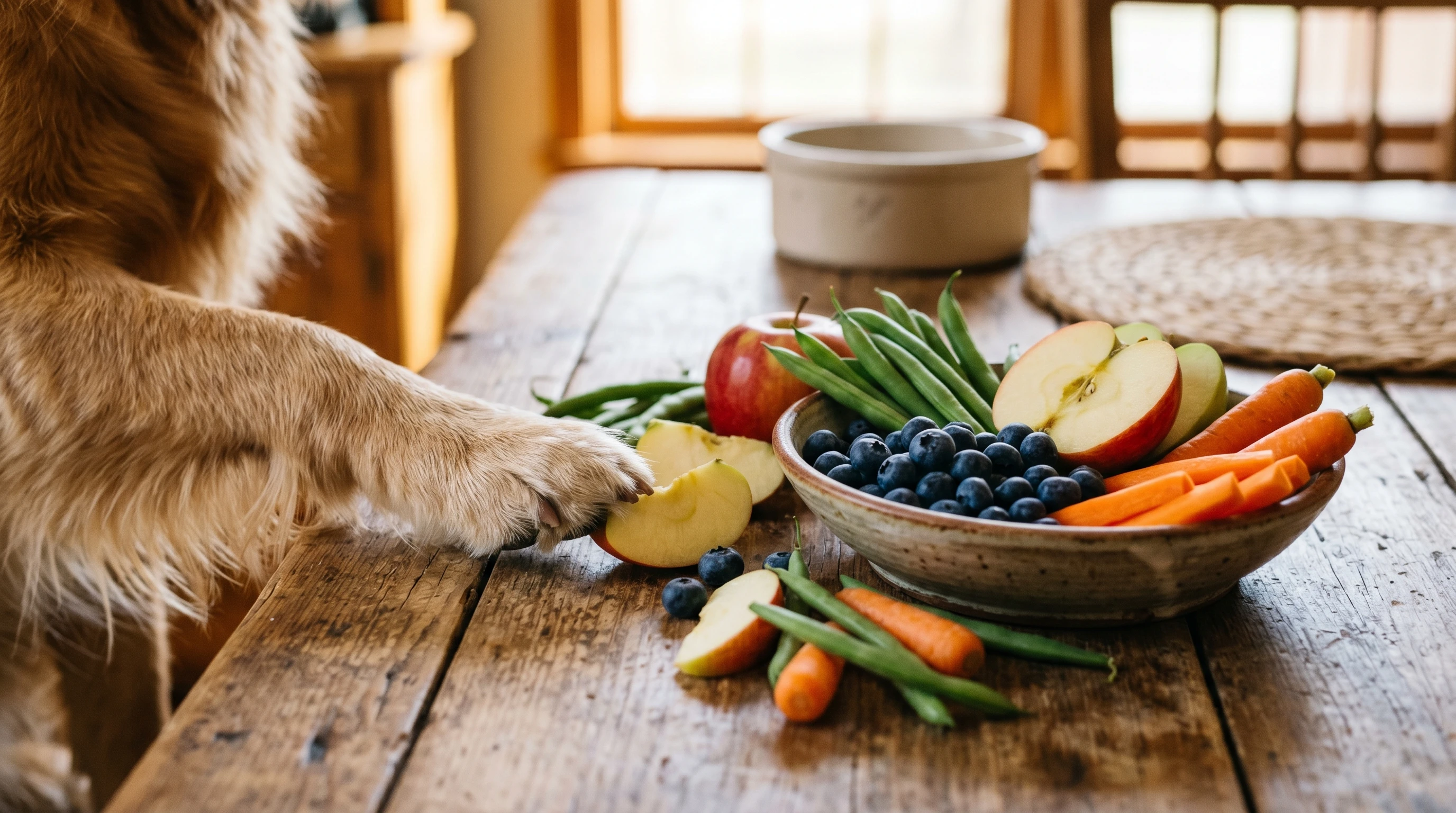
Feeding fruits and veggies to dogs can be a fun way to give them healthy treats, but not everything in your produce drawer is dogfriendly. Some foods that are great for us aren’t safe for pups, while others pack in valuable vitamins and fiber. I’m sharing an allinone guide on 25 safe fruits and vegetables for dogs and 10 that should stay out of their bowls. With so many colorful options, it helps to know what’s okay and what you need to skip.
Why Some Fruits and Vegetables Are Safer for Dogs
Dogs have different digestive systems than people do. Some fruits and vegetables can give them a boost of antioxidants or support their digestion, while others can cause stomach upset or even be toxic. For example, dogs don’t handle grapes or onions well, but blueberries and carrots are usually just fine. It’s always a good idea to introduce new foods slowly and keep portions small, especially with treats outside your dog’s regular diet.
The main things to watch out for are potential toxins, choking hazards, or foods that might upset your dog’s stomach. Even with dogsafe options, moderation is key. Too much fruit can lead to diarrhea or extra calories your dog doesn’t need. If you’re ever unsure about a new food, check in with your veterinarian first, especially if your dog has a sensitive tummy or underlying health issues.
25 Safe Fruits for Dogs and Their Benefits
I always look for fruits that are lower in sugar, contain no seeds or pits, and are given in bitesize bits. Here’s a list of dogsafe options:
- Apples (no seeds or core). A crunchy fiber source. Slice and remove seeds to avoid cyanide risk.
- Bananas. Soft, easy to digest, and good for potassium. Small amounts go a long way.
- Blueberries. Packed with antioxidants; super easy for dogs to eat whole.
- Strawberries. Vitamins and extra fiber, plus a sweet treat feel.
- Watermelon (seedless, rind removed). Hydrating and low calorie. Remove seeds and rind to prevent tummy trouble.
- Cantaloupe. Hydration helper for hot days. Remove seeds and rind.
- Pear (no core or seeds). Good for fiber but needs to be served in small chunks.
- Peach (no pit). Stick with fresh, ripe peach pieces. Avoid the pit because it’s toxic.
- Raspberries. Fiber-rich with less sugar than many fruits.
- Cranberries (plain, unsweetened). Good dried or fresh, just don’t give them in large amounts.
- Pineapple (fresh, core removed). Loaded with vitamins. Avoid canned versions due to added sugar.
- Oranges (in moderation, no peels or seeds). Rich in vitamin C. The acid content means keep the pieces small.
- Mango (no pit, peeled). Great vitamins, but best in tiny quantities due to sugar.
- Kiwi (peeled). Vitamin C boost and safe as an occasional treat.
- Blackberries. Antioxidants and fiber, plus most dogs love the small berry size.
- Honeydew melon. Sweet and hydrating; just ditch the rind and seeds.
- Plums (pit removed). Use fresh pieces, never the pit or processed forms.
- Cucumbers. Low calorie, crunchy, and super hydrating for your pup.
- Tomatoes (ripe only, no stems or leaves). Red, fully ripe tomatoes are okay, but avoid all green parts.
- Persimmons (pit removed). Another sweet treat that needs to be completely pitted and sliced.
- Coconut (fresh, unsweetened, no shell). High in healthy fats, just keep portions tiny, especially for smaller dogs.
- Papaya (no seeds or skin). Rich in fiber and good enzymes.
- Cherries (pit and stem removed). Fresh cherries only, pit out, as the pits contain cyanide.
- Gooseberries. High in antioxidants, but offer in limited quantities.
- Zucchini. Technically a fruit, mild, easy to digest, and low calorie.
Keep in mind, for all these options, the seeds, pits, and rinds need to go. I usually cut everything into small chunks that my dog can handle easily. Fresh or frozen (with no additives) works best, and make sure goodies aren’t coated in sugar or syrup. Keeping it simple is safest for your dog, and you can add variety by changing up which fruits you rotate through each week.
10 Vegetables Safe for Dogs
Vegetables are awesome for lowcalorie snacks and add crunch to your dog’s diet. Here are some top picks:
- Carrots. Raw or cooked, sliced carrots are popular for teething pups or crunchy treats.
- Green beans. Steamed or raw, these are filling, fiberrich, and low in calories.
- Broccoli (small amounts). Raw or lightly steamed. Too much can cause gas, so go slow.
- Sweet potatoes. Cooked only, sliced, and unseasoned. Never feed raw sweet potato.
- Pumpkin. Plain, cooked, or canned (unsweetened), pumpkin smooths digestion and soothes tummies.
- Spinach (on occasion). High in vitamins, but give in moderation due to oxalate content.
- Peas. Fresh or frozen green peas or snap peas are little protein and fiber nuggets.
- Celery. Fresh celery sticks can freshen breath, but chop it up for easy chewing.
- Brussels sprouts. Cooked and small portions, since they can cause gas if overfed.
- Cauliflower. Chopped and either raw or cooked, it’s filling and easy to digest.
It’s easy to toss these veggies into your dog’s food bowl now and then. They also make great training rewards. Always start with just a few pieces and see how your dog does, since even healthy veggies can upset a sensitive tummy if overdone. Try giving them a taste test by serving veggies both raw and lightly steamed to see what your pup prefers.
10 Fruits and Vegetables to Keep Away from Dogs
Even though a lot of produce is safe, there are a few types that aren’t safe for dogs. Here’s what I always avoid and why:
- Grapes and raisins. Even in small amounts, can cause kidney failure.
- Avocado. Contains persin, which can upset a dog’s stomach or worse.
- Onions. All types (raw, cooked, powdered) are toxic and can damage red blood cells.
- Garlic. Another ingredient that can cause anemia if eaten, even in small amounts.
- Mushrooms (wild or unknown). Some can be toxic and cause severe reactions or organ failure.
- Cherries (pits and stems). The pit and stem have cyanide; even the fleshy part should be fed with caution.
- Tomato leaves and stems. These green parts contain solanine, which is toxic for dogs.
- Rhubarb. The leaves and stalks can cause kidney issues and a drop in calcium.
- Unripe or green potatoes. Contain solanine, which is toxic. Only feed plain, cooked potatoes.
- Apple seeds and cores. Contain cyanide compounds. Stick to seedless pieces only.
These don’t belong in dog food or even as treats. If you think your dog got into any of these foods, contact your vet right away for advice. Quick action can help avoid bigger health problems. You might want to keep a printed list of these foods on your fridge as a reminder for family members.
Safe Feeding Tips and Prep Suggestions
Most dogs love new treats but even safe fruits and veggies can go sideways if they’re not fed carefully. Here’s what I keep in mind:
- Wash all produce thoroughly to get rid of pesticides or dirt.
- Chop treats into small pieces, especially for small dogs or puppies, to prevent choking.
- Skip seasonings, oils, and especially anything with garlic or onion.
- Introduce one new fruit or veggie at a time and monitor for allergies or tummy troubles.
- Frozen fruits like blueberries or peas can be a fun summer treat; just avoid anything with sugar or preservatives.
Dogfriendly peanut butter (no xylitol) can be a fun way to coat apple chunks, celery sticks, or carrot rounds. And stuffing a Kong with pumpkin puree or banana makes a longlasting boredom buster. You can also freeze some of these blends for a cool treat on a warm day.
Frequently Asked Questions
Dogs have different reactions to new foods, so it’s normal to have questions if you’re adding fruits and vegetables to your dog’s routine. Here are a few I get pretty often:
Question: How much fruit or veggie should I give my dog?
Answer: Treats and extras should make up less than 10% of your dog’s daily calories. Start with one or two small pieces and watch how your dog reacts before offering more.
Question: Can puppies have the same fruits and vegetables as adults?
Answer: Most safe fruits and veggies are fine in small pieces for puppies, but keep portions very small and always introduce new things slowly. Their digestive systems are still developing and some foods might be harder for them to digest.
Question: What should I do if my dog eats one of the foods from the “avoid” list?
Answer: Don’t panic, but call your vet as soon as possible, especially for grapes, raisins, onions, or garlic. Early action is really important for your dog’s health. Give your vet details about how much was eaten and when.
Using Fruits and Vegetables in Everyday Dog Life
I find that fruit and veggie treats keep things interesting for dogs. They work great for training, dental health, or just giving your dog something nextlevel cool to crunch on. Chilled carrot sticks are nice for teething pups, while frozen blueberries are perfect for hot days. When prepping homemade dog treats, safe produce can help stretch your recipes and boost nutrition. You could even try mashing cooked sweet potato or pumpkin into your dog’s food as a healthy topper.
Stick to dogsafe options, switch things up with different colors and textures, and watch for your dog’s favorites. Every dog is different. Some go wild for green beans while others dig apple slices, so have fun with it and always keep your vet in the loop if you’re changing your dog’s diet in a big way. Keeping a food diary can also help you spot which fruits or veggies your pup truly loves.
There’s a colorful world of produce out there for dogs to sample safely. With a little care and creativity, fruits and veggies add variety and excitement to your pup’s daily life while keeping them healthy and happy.