
Senior dog wellness really matters if you want your furry companion to enjoy their golden years with as much comfort as possible. Older pups go through plenty of physical and mental changes, but with a few simple habits and some practical adjustments, you can make life easier and more enjoyable for them. I’ve walked through this adventure with my own dog, so I know firsthand what a difference these steps can make. This article covers what you need to know to keep your aging dog happy, healthy, and by your side as long as possible.
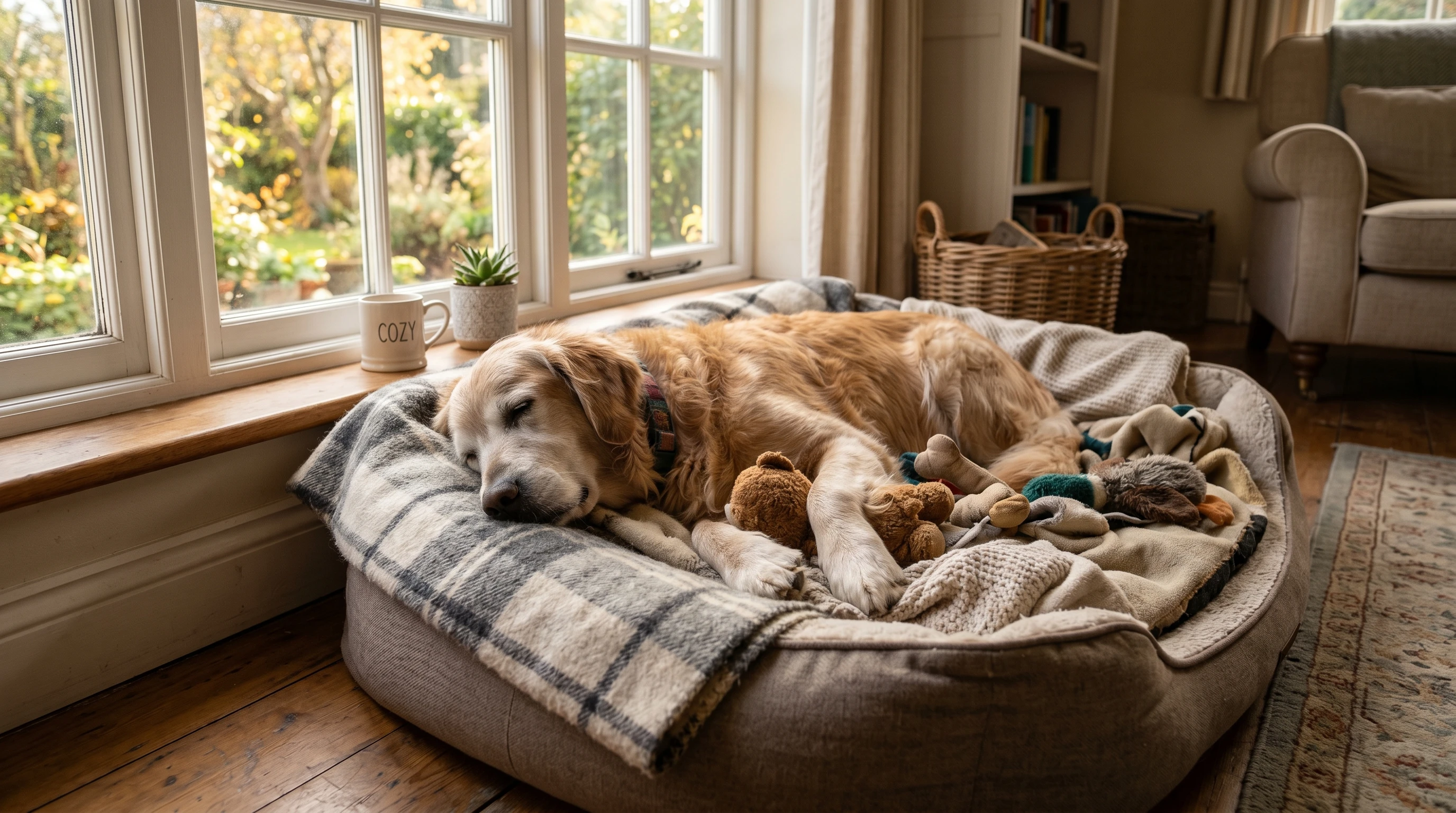
Why Senior Dog Wellness Matters
Dogs are living longer than ever thanks to improvements in nutrition, medicine, and all the extra care we give them. With those extra years, pets can deal with arthritis, vision issues, less mobility, or even cognitive challenges. Attention to wellness at this point means more than just a yearly vet visit. It’s about supporting your dog’s mind and body so they stay content and comfortable every day.
According to the American Veterinary Medical Association, dogs are considered senior anywhere from 7 years old and up, depending on their size and breed. Keeping an eye on their changing needs can mean the difference between a stiff, slow pet and a tail-wagging buddy.
Taking these switches seriously also helps spot problems early. For example, slowing down on walks could be a clue that your dog needs joint support or is developing a medical issue. Understanding what’s normal for older pups helps avoid unnecessary stress and keeps that special bond going strong.
Creating a Senior Supportive Home
Your dog’s once boundless energy might mellow as they age, so simple changes at home make a big impact. Here are a few things I’ve found super useful:
- Supportive Bedding: Memory foam or orthopedic beds cushion sore joints and encourage more restful sleep.
- Easy to Reach Essentials: Place food and water bowls somewhere accessible, especially if stairs are a problem. Raised bowls help dogs with neck or back stiffness.
- Non Slip Surfaces: Rugs or runners help your dog get traction in areas with slippery floors.
- Ramps and Steps: These are pretty handy if your dog likes sleeping on the couch or rides in the car. They take the pressure off joints and prevent slips.
Little details like keeping things calm and quiet make older dogs feel safer and cut down on anxiety, which can go up as senses dull or routines change.
Nutrition Tweaks for Senior Dogs
Food is a big part of supporting an aging dog’s health. Senior dogs might be less active, but they still need balanced nutrients. I’ve noticed with my dog that a couple of small changes in diet made a big difference in energy levels and coat quality.
- High Quality Protein: Maintaining muscle mass keeps your dog moving longer. Look for diets with good protein sources but controlled calories to avoid weight gain.
- Joint Supplements: Ingredients like glucosamine and chondroitin are worth checking out for added comfort, especially if your vet recommends them.
- Fiber and Digestive Support: Older dogs can get a bit… irregular. A touch more fiber helps, along with probiotics for gut health.
- Hydration: Encourage water intake. Wet food or a splash of warm water added to meals sometimes entices picky drinkers.
Always talk with your vet before making big changes to your dog’s diet. Every senior pup is unique, so there’s no one size fits all menu.
Exercise and Mobility: Adapting Activities for Older Dogs
Staying active is just as important for older dogs as it is for younger ones, but the way they move might need adjusting. My senior dog loves meandering walks over energetic sprints nowadays. Here are some activity tweaks that really help:
- Gentle Walks: Shorter, more frequent strolls work better for older bodies than one long hike.
- Swimming: If your dog likes water, swimming is easy on the joints and builds muscle without harsh impact.
- Stretching: A few simple stretches (with guidance from your vet) can loosen stiff joints and help with mobility.
- Puzzle Toys: These keep older pups mentally sharp and entertained, without the physical strain.
Watching for signs of pain or fatigue helps prevent overdoing it. Rest is really important, even after a mellow activity session.
Many older dogs enjoy new experiences with activities that are tailored to their needs. Some enjoy leisurely sniffing games in the yard, while others find a gentle car ride uplifting. Adapt how you include your companion in your daily routine to match their abilities.
Common Challenges and How I Handled Them
Senior dogs often face certain hurdles as they age, but most issues can be managed with a bit of planning and patience.
- Arthritis: Stiffness is super common. Comfortable beds, supplements, and gentle exercise go a long way. My dog responded well to warm compresses and regular massages.
- Cognitive Decline: Dogs can get confused or anxious as they get older. Sticking to routines, offering familiar toys, and keeping playtime relaxed helps keep them grounded.
- Hearing or Vision Loss: If your dog seems startled or bumps into things, avoid rearranging furniture. Teaching simple hand signals (if they’re losing hearing) and using gentle touch for comfort can maintain confidence.
- Dental Issues: Older dogs face more dental problems. Chew toys can help, but professional cleanings or softer foods might be needed too.
Real World Example: Keeping an Older Dog Active
My neighbor’s Lab, Bella, started limping at age eleven. After a vet visit, they added a joint supplement, swapped out her old bed for a thick orthopedic one, and started doing slow walks twice a day. In a few weeks, Bella was moving around with less effort and even wanted to play fetch again, just at a much slower pace.
Working With Your Veterinarian
Vets are great partners when caring for a senior dog. Annual checkups become biannual as they age, just to catch any developing problems early. If something seems off, like eating less or being more withdrawn, it’s a good idea to reach out sooner.
- Health Screenings: Blood work and urine checks give a snapshot of organ health, helping spot problems before they become bigger issues.
- Pain Management: There are lots of ways to keep dogs comfy, from medications to physical therapy. A good vet tailors care for your dog’s needs.
- Vaccinations and Parasite Control: Older dogs are a little more vulnerable, so keeping these up to date stays important.
It’s always easier to find your way through changes and tough decisions when there’s open, ongoing communication with your vet. Don’t be afraid to ask questions. Each dog’s aging process is a little different, so a second opinion is always worth seeking if you’re concerned.
Building a partnership with your vet means you can make proactive choices for your pet. Talk about changes you notice, from eating habits to different sleeping patterns. Sometimes, subtle shifts signal a health issue well before it becomes serious.
Mental Enrichment and Emotional Well Being
Older dogs still need connection, even if they seem slower. Mental stimulation is just as important as physical activity. I like to rotate my senior dog’s toys every week, try scent games around the home, and add gentle training sessions to keep his mind busy.
- Toys and Puzzles: Soft toys, treat dispensers, and snuffle mats encourage sniffing and gentle chewing.
- Quality Time: Simple things like belly rubs, brushing, or just quiet time together boost your dog’s mood.
- Routine: Keeping feeding, walks, and sleep schedules steady gives seniors a sense of security.
Try mixing in some new low impact games. Instead of high energy play, introduce hide and seek with treats, gentle tug toys, or teaching simple cues. These activities keep your dog engaged without pushing beyond their limits. Regular social interaction, whether it’s with family or another calm dog, can also give an emotional lift.
Senior Dog Wellness FAQ
Here are some questions that come up a lot when it comes to senior dog care:
Question: How can I tell if my dog is in pain?
Answer: Signs can be subtle. Look for changes in how your dog moves, hesitating on stairs, licking joints, or sleeping more. Don’t wait to ask your vet if you notice something new.
Question: Does my senior dog really need a special diet?
Answer: Most dogs do benefit from diet tweaks that fit slower metabolisms and support joint or organ health. Your vet can suggest a good match based on your dog’s needs.
Question: Are supplements safe for older dogs?
Answer: Many supplements can help, but not all are necessary or safe for every dog. Always get your vet’s opinion before adding anything new to your dog’s routine.
Caring for Senior Dogs: Simple Habits That Make a Big Difference
Helping your dog age comfortably is about making small, thoughtful changes and keeping an open mind as needs evolve. Comfortable beds, gentle walks, a shakeup in nutrition, and plenty of positive attention keep your dog feeling safe and cared for. Connect with a trusted vet, listen to your dog’s signals, and enjoy all the special moments with your older buddy. These golden years can be some of the most rewarding times you’ll spend together.