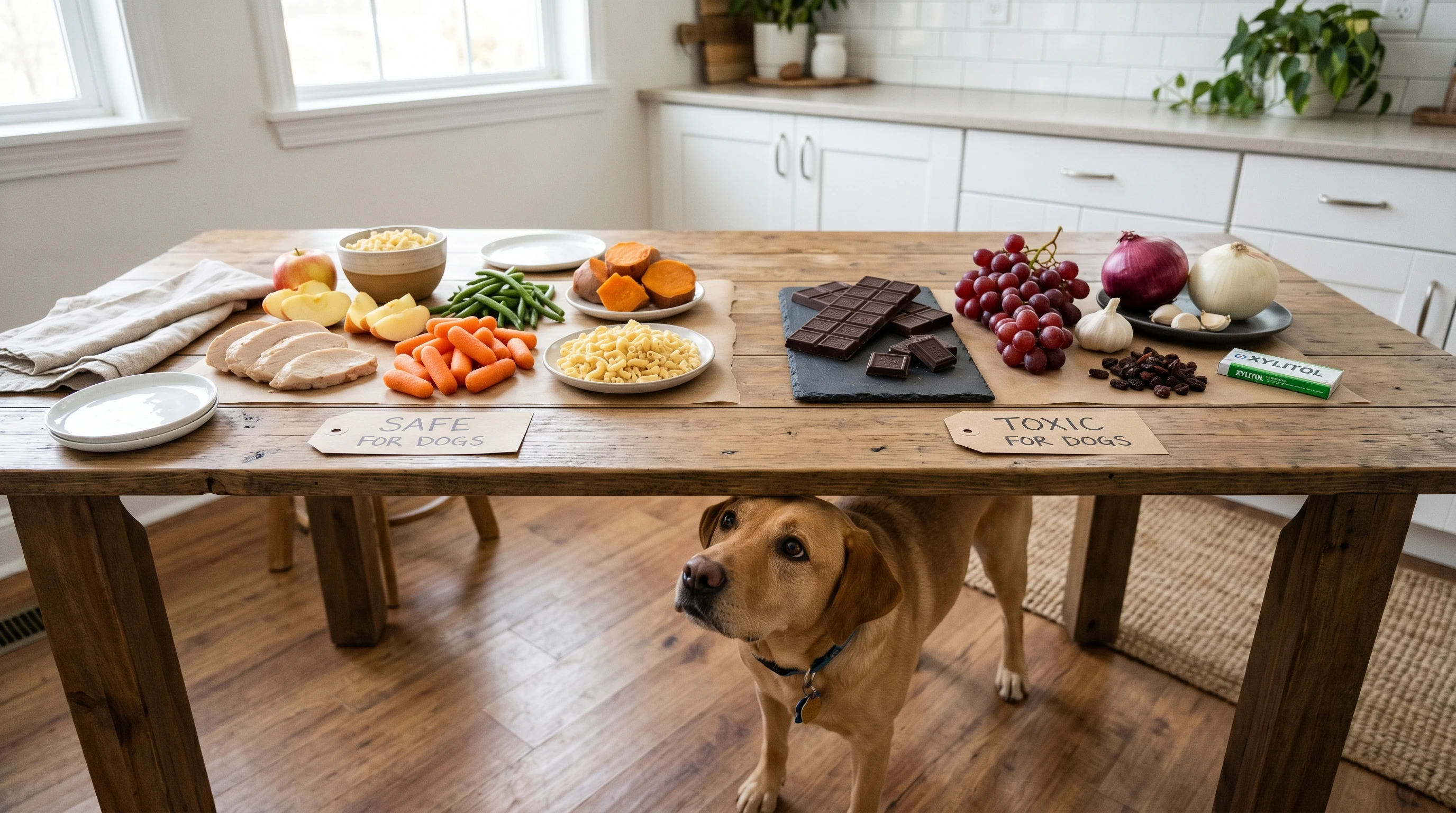
Everyone who shares life with a dog has probably been tempted to slip them a bite from the kitchen table. Some folks are quick to toss their pup a piece of carrot or apple. Other times, uncertainty creeps in—’can dogs eat this?’ I’ve wondered the same, and trust me, it’s more common than you’d guess. The truth is, some human snacks are definitely okay for canines, while others can be seriously harmful.
Dogs are curious, sometimes a little sneaky, and rarely picky. Their bodies process food differently than ours though. That means some of our go-to treats are a big risk for them. Knowing what’s safe (and what isn’t) is one of the best ways to keep your dog healthy and out of harm’s way. Here’s a guide that lays out which foods are good for dogs, which are risky, and why it matters.
Popular Safe Foods For Dogs
Proteins
It’s perfectly fine for dogs to have plaincooked meats like chicken, turkey, or lean beef. Just skip any seasonings, gravies, or sauces, and never feed cooked bones since they can splinter and cause internal injuries. Cooked eggs are another great protein source. Eggs provide high-quality protein along with important nutrients like vitamin B12 and healthy fats that support skin, coat, and muscle health.
Fruits & Veggies
- Carrots, green beans, peas, sweet potato (cooked and plain) and cucumber slices are healthy snacks most dogs enjoy. They’re low in calories and offer plenty of fiber for digestion.
- Apples (without seeds), blueberries, seedless watermelon, and bananas are dog-safe in small pieces. These fruits provide natural sugars, vitamins, and antioxidants.
- Pumpkin (plain, without added sugar or spices) is another fiber-rich option that can help with digestion.
- Bananas are a good source of potassium and fiber, making them a healthy occasional treat for many dogs.
- Blueberries are packed with antioxidants that may help support brain function and overall wellness, especially in senior dogs.
Dairy
Plain yogurt and hard cheeses like cheddar can be okay in moderation, as long as your pup isn’t sensitive to lactose. Some dogs might get gassy or have tummy trouble, so introduce new dairy little by little and watch how they do.
Treats To Be Careful With
- Peanut butter is a big hit with most dogs, but double-check the label for xylitol, which is highly toxic to them. Always use natural, unsweetened peanut butter—perfect for stuffing in toys or as a special snack.
- Plain popcorn (without butter or salt) can be a light treat in small amounts, but watch out for unpopped kernels, as they can be a choking hazard.
- Some plain rice or oatmeal can help settle a dog’s stomach, especially after a bout of diarrhea. Just make sure there are no added spices, sugar, or salt.
- As with any treat or new food, moderation is important to avoid digestive upset or excess calories.
Foods That Are Toxic Or Risky For Dogs
Chocolate
Chocolate is a common household treat, but it’s one of the most dangerous things for dogs. Both theobromine and caffeine are toxic to them. Dark and baking chocolate are especially risky. Even a small nibble can lead to vomiting, diarrhea, tremors, or worse.
Grapes and Raisins
Grapes, currants, and raisins can cause kidney failure in dogs. The reaction can be unpredictable—some dogs have a severe response after eating just one. Signs show up quickly, like vomiting, weakness, or not wanting to eat.
Onions, Garlic, and Chives
Common in human foods, these can seriously damage a dog’s red blood cells, which may lead to anemia. Every form is risky—cooked, raw, powdered, or as a seasoning. Consuming a lot at once is especially dangerous.
Alcohol and Caffeine
Keep coffee, tea, soda, energy drinks, and all alcoholic beverages well away from dogs. Even a tiny sip can have drastic consequences, causing vomiting, tremors, trouble breathing, or collapse.
Xylitol
Xylitol shows up in sugarfree gum, some baked goods, peanut butter, and toothpaste. Even a little can make a dog’s blood sugar drop rapidly and cause liver failure. If you think your dog had any xylitol, call your vet straight away.
Other Foods To Keep Away
- Avocado: The pit and skin are dangerous, and the flesh is extremely fatty, which isn’t healthy for dogs.
- Macadamia nuts: Can make dogs weak, shaky, or unable to control their legs.
- Bones from cooked meat: These can shatter and cause choking or digestive blockages.
- Raw yeast dough: Expands in the stomach and makes alcohol, which is very harmful to dogs.
- Salt-heavy snacks (like chips): Can cause sodium poisoning, leading to excessive thirst, vomiting, or seizures.
Why Dogs Can’t Eat Some Human Foods
Dogs’ bodies break food down differently than humans. Some ingredients become dangerous quickly—think theobromine in chocolate or sulfur compounds in onions. Sometimes the risk isn’t just the food itself but things added in, such as artificial sweeteners or spices. Add in that most dogs are much smaller than humans, so even small bits can cause big problems.
What To Do If Your Dog Eats A Toxic Food
If your dog eats something risky, call your vet or the Animal Poison Control Center immediately. Try to figure out what and how much they ate so you can give your vet clear info. Don’t make your dog throw up unless your vet tells you to. Acting fast really can save your dog’s life.
Tips For Sharing Snacks Safely
- Always go with plain, unseasoned foods when sharing with your pup.
- Introduce anything new in very small bites and watch for signs of upset stomach or allergic reactions.
- Stash toxic foods where your dog can’t get to them; dogs are experts at finding things on counters and in bags.
- When you’re not sure, stick to treats made especially for dogs to be on the safe side.
- Keep a list of dangerous foods on your fridge or pantry for a quick reminder in case you forget.
Final Thoughts
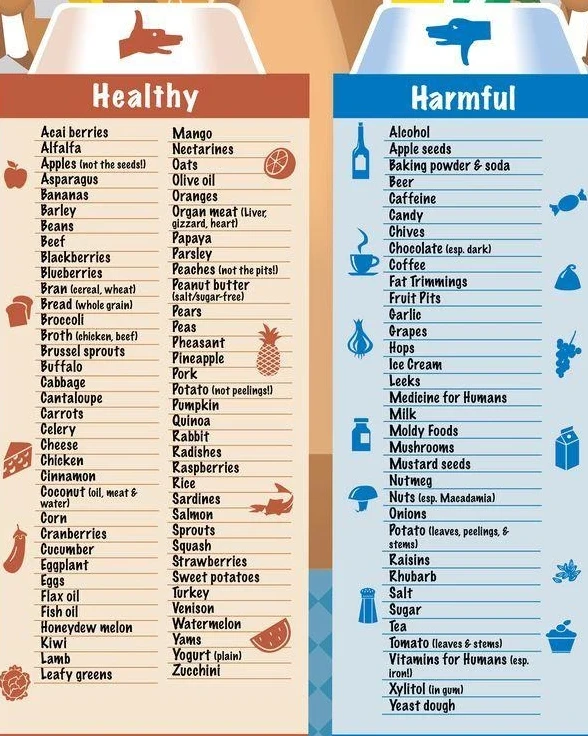
Sharing food with dogs adds fun to the day, but taking a moment to double-check what’s dog-safe can help protect your pal. Giving a carrot or apple is no problem, but plenty of common foods are better left for human plates. I keep a printed safe/unsafe foods list right on my fridge; it’s a great way not to forget. If you’re ever not sure about a certain food, ask your vet—they see food snafus all the time and give solid advice.
Have a funny or scary dog-and-kitchen story? Share your tale below, and don’t forget to toss your pup an extra belly rub from me.