If you’ve got a dog, you know how tricky it can be to pick out the right food. There are so many types on the shelves—kibble, wet food, raw food, grainfree, highprotein blends—and each one comes with its own list of promises. Whether you’re looking for better nutrition, hoping to address allergies, or just aiming for a food your pup will actually finish, comparing dog food brands and types can get overwhelming fast. I’ve spent quite a while sorting through options for my own dogs, so I’m breaking it down in a clear, easy to digest way.
Why Compare Dog Foods?
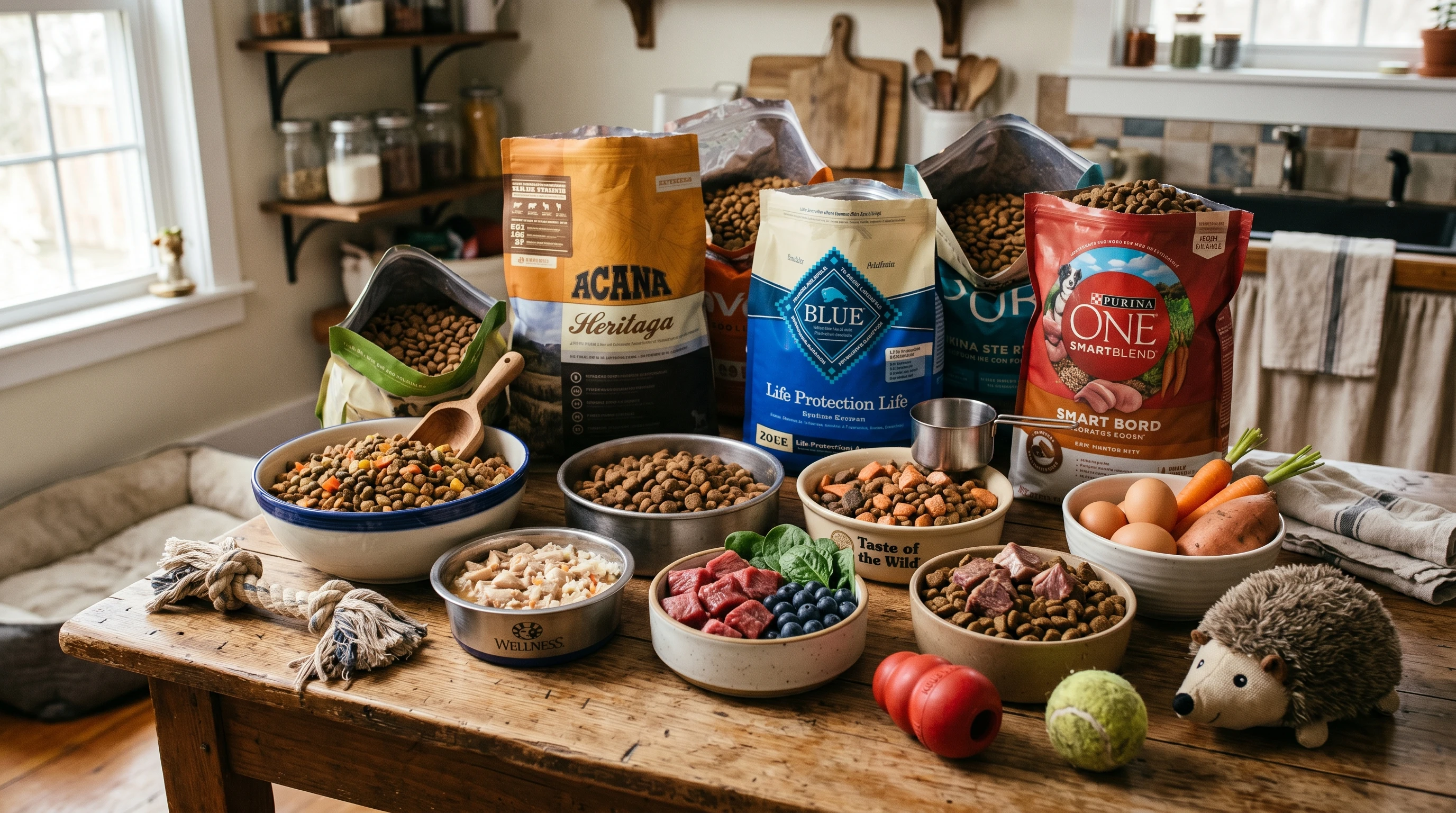
Dog food affects everything from your pup’s coat shine to their energy levels and their longterm health. The pet food industry is massive and still growing, with new brands popping up and established names rolling out fresh lines all the time. Picking out something that matches your dog’s age, breed, and special quirks (like sensitive stomachs or food allergies) makes a real difference in their daily life.
Each dog is different, and what works for one pup might not suit another. Some owners swear by grainfree diets, while others stick with classic kibble. Knowing the basics of what to look for will help you skip the fancy marketing and focus on giving your dog something nutritious and safe.
Types of Dog Food
There are a handful of main categories you’ll see in stores or online. Here’s a quick rundown of the most common ones:
- Kibble (Dry Food): Super convenient and budget friendly. It stores easily and helps clean your dog’s teeth. Some brands focus on high protein or specialty blends, but ingredients can really vary.
- Wet (Canned) Food: Usually smells stronger, so picky eaters often go for it. There’s more moisture here, which helps dogs who don’t drink much water. Downside: more expensive and can get messy.
- Raw Diet: Raw meat, organ meats, bones, and sometimes vegetables or fruits. Many people say their dogs have better skin, coats, and energy with raw. You need to be careful about proper handling and balancing nutrients.
- FreezeDried/Dehydrated Food: Somewhere between wet and dry, this type takes up less space than canned and keeps more nutrients compared to cooked kibble.
- Fresh Dog Food: Delivered in refrigerated packs, these are meals that look a lot like what humans eat. They’re usually made with simple, whole ingredients and minimal preservatives.
- Veterinary or Prescription Diets: Created to help manage medical issues, these usually require a vet’s recipe and focus on kidney, liver, or allergy support.

What Goes Into Good Dog Food? Key Ingredients to Know
The ingredient label tells you a lot about the food quality. Here are some things I look for every time I check a new brand:
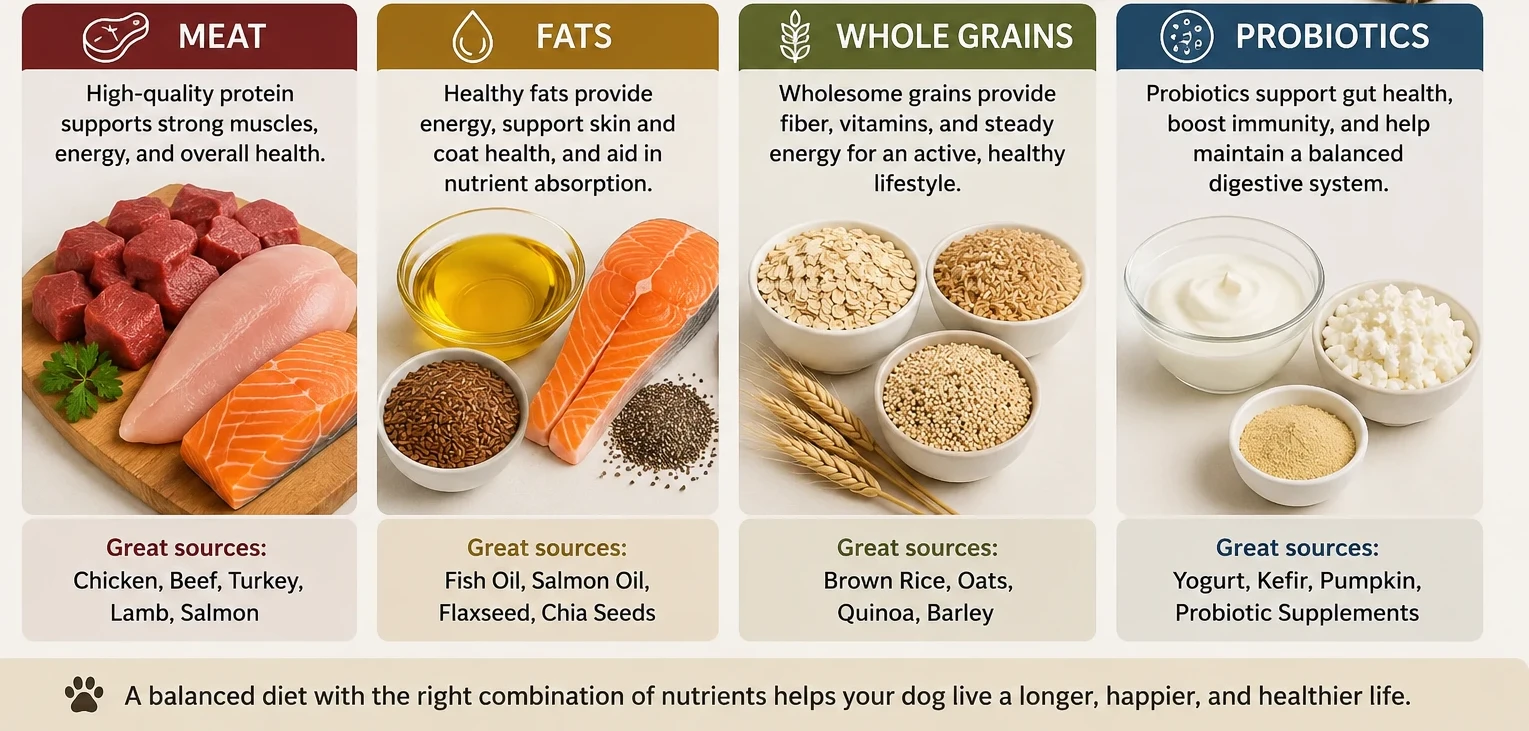
- Real Meat as the First Ingredient: Chicken, turkey, beef, or fish listed first means your dog is getting actual animal protein, not just fillers. Not chicken, trukey or beef meal. Those are the bad parts of aninmals ground up into a meal.
- Named Fats: Chicken fat or salmon oil is much more useful than “animal fat,” which doesn’t tell you where it’s coming from.
- Whole Grains or Legumes: Brown rice, oats, or lentils have more nutritional value than cornmeal or white rice. If your dog needs grainfree, watch out for pea protein or potato heavy blends to fill the gap.
- Limited Artificial Colors and Preservatives: Natural preservatives like mixed tocopherols (a vitamin E blend) are fine. BHA, BHT, and artificial dyes aren’t so great for regular meals.
- Added Probiotics or Prebiotics: Super useful for supporting healthy digestion and immune function.
Dog Food Comparison Guide: What to Consider for Your Pup
Beyond the ingredient list, there’s a bunch of other stuff you’ll want to check out when comparing brands and formulas.
- Life Stage: Puppies, adults, and seniors all have different needs. Puppy and growth formulas focus on higher calories and specific vitamins (like DHA for brain growth). Senior blends help with joint support and have fewer calories to help with weight gain issues.
- Breed Size: Largebreed and smallbreed formulas tweak calcium, calories, and kibble size to fit your dog’s skeleton and metabolism.
- Specific Health Concerns: You’ll spot formulas for weight control, sensitive stomach, food allergies, joint support, or skin and coat health. Some breeds are more prone to allergies, so you might want a limited ingredient or hydrolyzed protein formula.
- Budget: Fresh and freezedried brands look appealing, but they’re usually pricier than traditional kibble. High quality dry foods with protein as the first ingredient can strike a good balance between cost and nutrition.
- Availability: Consistency really matters. Pick a brand that’s available in your area, so you’re not forced to change it if it sells out.
Comparing Popular Brands
I’ve tried out a bunch of brands over the years for my own dogs and have chatted with other owners and vets along the way. Here’s a quick breakdown comparing a few wellknown options:
- Orijen: High in real animal proteins, low in fillers, and packed with fruits and veggies. Super popular among folks who want a “biologically appropriate” diet. The cost is higher, but it’s often reviewed very well.
- Blue Buffalo: Offers lots of variety, with blends for puppies, seniors, and breeds of all sizes. Easy to find in most stores, and the “Life Protection” line focuses on natural ingredients.
- Royal Canin: Specializes in breed specific and vet diet formulas. You might pay extra, but the science behind their recipes is solid and trusted by many vets.
- Merrick: Known for grainfree options and high levels of meat in the first few ingredients. Also has classic whole grain and limited ingredient choices.
- Hill’s Science Diet: Vet backed, with plenty of prescription and overthecounter options tailored to all sorts of health needs. Tends to use more grains and byproducts, but the research behind it is strong.
- FreshPet and The Farmer’s Dog: Both bring freshcooked dog food to your fridge. The Farmer’s Dog delivers customized meal plans based on your dog’s profile, with straightforward, human grade ingredients.
Pros and Cons: Classic Kibble vs. Fresh Dog Food
Dry kibble and new fresh food options each come with their own good points and tradeoffs.
Dry Kibble
- Pros: Super cost friendly. Stores easily, rarely goes bad. Usually fortified with vitamins and helps with dental health.
- Cons: Sometimes made with lots of fillers, and picky eaters might lose interest. Not as much moisture, so not ideal for dogs that barely drink enough.
Fresh/Frozen/Freshly Prepared
- Pros: Looks and smells like real food, so picky dogs almost always go for it. Often packed with high quality proteins and visible vegetables. Easier to digest for some dogs.
- Cons: More expensive per meal. Needs refrigeration and can spoil if left out too long. Some meals aren’t “complete and balanced” unless you pick the right formulations.
Common Dog Food Allergies and Dietary Needs
Just like people, some dogs have trouble digesting certain proteins or grains. Here are some things that might help if your dog has allergies or sensitivities:
- Limited Ingredient Diets: These cut down on the number of proteins or grains so you can easily pin down what’s causing digestive problems or skin flareups.
- Novel Protein Foods: Ingredients like duck, venison, or fish are great if your pup has a beef or chicken sensitivity.
- Hydrolyzed Diets: The proteins are broken down into such small bits that your dog’s immune system barely notices them, which can stop allergic reactions before they start.
Pointers for Picking a Good Food
- Check Ingredient Labels: The first few ingredients say the most about what your dog is eating. Real, named meats and wholesome grains or veggies are a good sign.
- Look for “Complete and Balanced” on Packaging: This means the food meets nutritional standards. It’s really important for long term health.
- Talk to Your Vet: Vets see plenty of dogs, so they know which brands back up their claims. They can help you pick a diet that fits your dog’s particular age, breed, and health needs.
- Watch for Recalls: Search the brand’s recall history. Brands with a pattern of recalls for quality or contamination might not be worth the risk.
- Transition Foods Slowly: Switching brands or types overnight can upset your dog’s stomach. Mix the old with the new over a week or two to keep things easy for your pup.
RealLife Scenarios: What I’ve Learned Feeding My Own Dogs
After years of dealing with food sensitivities and skin allergies, I’ve learned that every dog reacts differently to ingredients. My Queensland Heeler is allergic to chicken, my Pitbull can’t tolerate beef, and my German Shepherd/Pitbull mix honestly seems allergic to just about everything. We originally tried the Purina Pro Plan HA Hydrolzyed Vegetarian formulas hoping they would be a healthier option, but some of the ingredients still triggered allergy issues, itching, and digestive problems for my dogs. It also carried a lot of the items that are statred not safe for dogs. Things that should not be in dog food. After a lot of trial and error, we switched to the salmon formula from Taste of the Wild, and it has worked much better for our pack. The salmon-based recipe has been gentler on their stomachs, helped reduce scratching, and supported healthier skin and coats overall. Finding the right food took patience, label reading, and learning exactly which proteins caused reactions, but sticking with a grain-free salmon formula has made a noticeable difference in their comfort and health.
Frequently Asked Questions
Here are some questions I get from other dog owners when it comes to picking and comparing dog food:
Question: Should I go grainfree for my dog?
Answer: Grainfree wasn’t created for every dog. Some dogs with grain allergies benefit, but others do just fine with whole grains. Always check with your vet. Some grainfree blends have ingredients that have raised health questions.
Question: How do I know if my dog is allergic to their food?
Answer: Look out for signs like itching, licking, red skin, recurring ear infections, or odd poop. Your vet can help with elimination diets or allergy testing.
Question: Can I mix wet and dry food?
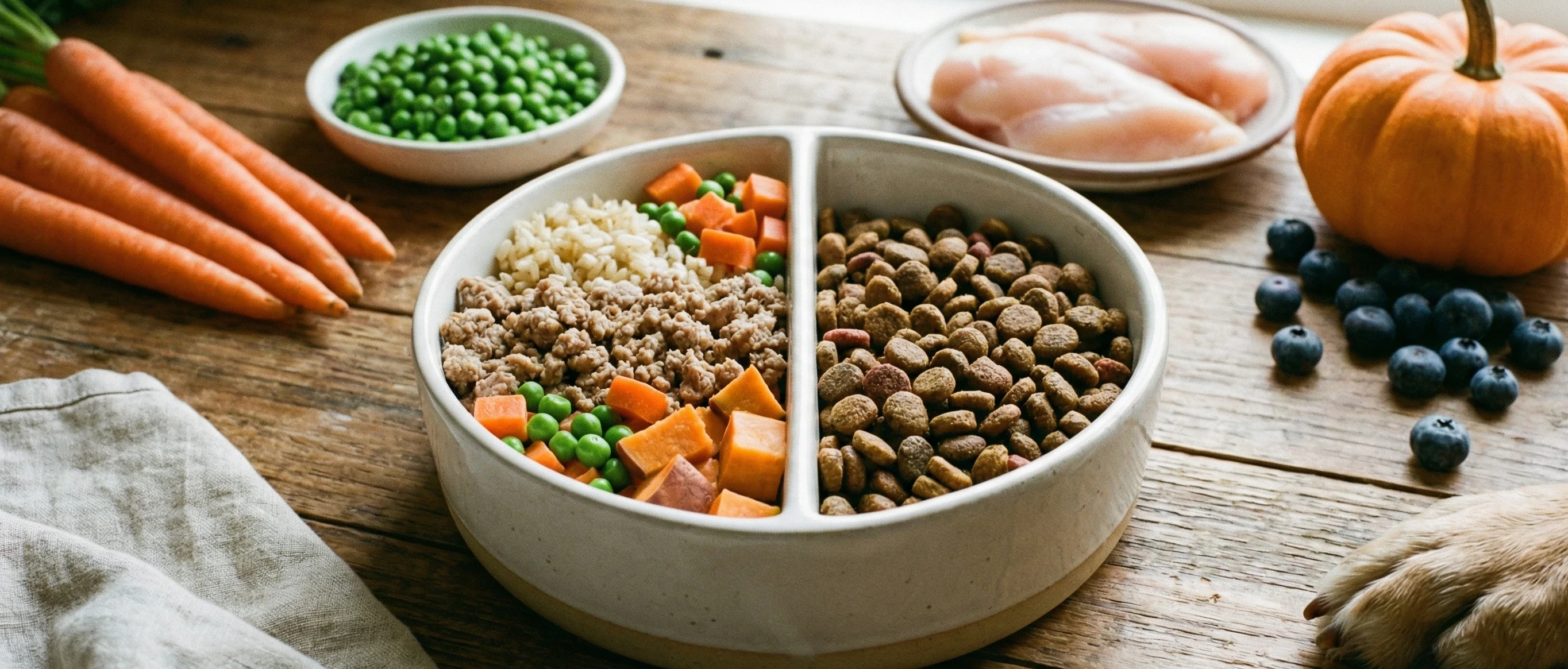
Answer: Absolutely! Mixing adds variety, encourages picky eaters, and bumps up hydration. Just check calorie counts to avoid overfeeding.
Question: Does price really matter?
Answer: Expensive doesn’t always mean better. Plenty of midrange brands have great ingredients. Focus on named proteins, simple formulas, and complete nutrition.
Takeaways for Dog Owners
Comparing dog foods gets a lot simpler when you stick to the basics. Named meat proteins, clear labeling, matching your dog’s life stage, and tracking how your pup actually responds all go a long way. Skip the hype and check for ingredient transparency, nutritional completeness, and feedback from your vet and trusted sources.
Your dog depends on you for every meal, and finding a formula that supports their health, lifestyle, and taste buds pays off in extra tail wags and happy vet visits. Wherever you land, whether it’s kibble, fresh food, or something in between, a little research goes a long way.