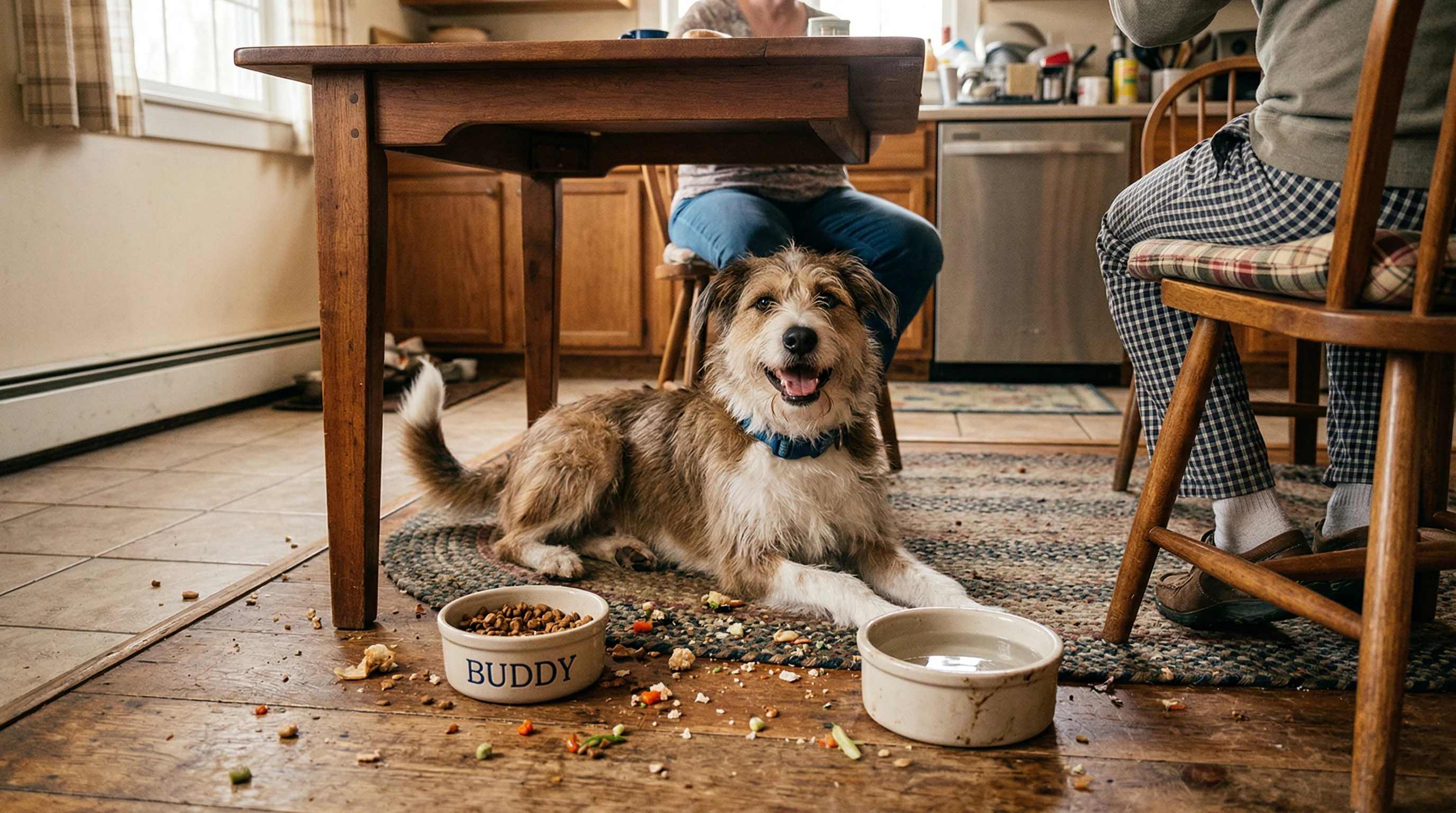
Feeding dogs table scraps might seem harmless or even fun, but swapping out a balanced diet for bits of human food can create some real nutrition problems for our pets. I’ve seen more than a few families make this switch, thinking they’re showing love, but end up setting their dogs up for avoidable health issues. If you’re wondering, “Can dogs eat table scraps every day?” or curious about how a homemade diet stacks up to professional dog food, this guide clears up the risks and points out what’s missing when scraps become the main meal.
Why Feeding Table Scraps Can Cause Nutrition Gaps
Dog nutrition isn’t just about filling a bowl; it’s about making sure your dog gets the right mix of protein, carbs, fats, vitamins, and minerals. Commercial dog foods are put together carefully to hit these targets. When these meals get swapped for table scraps, it’s really easy to miss the mark. Human food, even the healthy stuff, doesn’t usually match the specific ratios needed for a dog’s health.
The American Kennel Club points out that dogs need a different blend of nutrients than humans do. For example, they need more protein, certain amino acids, specific kinds of fat, and a balance of calcium and phosphorus that table scraps almost never provide. Feeding scraps every day can easily make a dog miss out on essentials, especially if “variety” means just whatever’s left from our plates.
Common Nutrient Deficiencies From a Scraps-Based Dog Diet
When you start giving dogs human food as their main diet, it opens the door to a few common nutrient issues. Here are some key nutrients that dogs often miss out on when they’re eating mostly leftovers:
- Protein: Dogs need highquality animal protein, which isn’t always what’s left from our dinners.
- Calcium: Table scraps often lack bones, and most human dishes don’t add calcium the way dog food does.
- Phosphorus: Dogs require this in balance with calcium; too much meat without enough calcium can mess this up.
- Vitamins (like A, D, and B vitamins): Fruits and veggies can be okay, but only some are safe for dogs, and many prepared foods lose vitamin content during cooking.
- Essential fatty acids: Dog food is designed to include the right omega3 and omega6 fats; our oily leftovers are rarely the right type.
One of the risks with the “homemade diet” approach is that even when you try to use highquality ingredients, getting the nutrients just right is tough without clear guidance. Nutritionists often see problems in homemade dog diets, so careful planning with your vet is always smart if you want to get into this style of feeding.
Risks of Feeding Dogs Human Food and Table Scraps Every Day
There’s a big difference between giving your dog a nibble of plain meat here and there, and letting them eat scraps as their main meal. So, is feeding dogs human food bad? Here’s why veterinarians recommend against making it a habit:
- Obesity: Table scraps are typically higher in fats, oils, and calories than necessary, especially those that are fried, sauced, or processed.
- Pancreatitis: Highfat meals can inflame a dog’s pancreas, leading to pain, vomiting, diarrhea, and sometimes serious health problems.
- Digestive Troubles: Spices, seasoning, dairy, onions, garlic, and chocolate (all common in human food) can make dogs sick or even be toxic.
- Poor Dental Health: Sticky foods, sugars, and carbs aren’t ideal for dog teeth.
- Picky Eating: Once dogs get used to varied and exciting flavors in scraps, they might reject balanced dog food.
It’s important to remember that dogs have much more sensitive systems than ours. Just a few days on an unbalanced diet can begin to mess with their energy, skin, coat, and immune system.
Balanced Dog Diet vs. Table Scraps: What’s Actually in a Proper Canine Meal?
I always suggest checking what goes into a healthy commercial dog food as a comparison point. Dog food manufacturers work with veterinary nutritionists to ensure:
- The right protein source and amount for muscle health.
- Controlled fat levels for steady energy without excess weight gain.
- Fiber for digestive health using selected, dogsafe carbs.
- Added vitamins and minerals aimed at dog biology, not a human’s.
On the other hand, table scraps are unpredictable; one week it’s leftover roast, the next night it’s pizza crust. Even healthy human foods can fall short if they’re not planned for a dog’s system.
Some dogs become picky when they’re fed a constantly changing diet, which just makes life harder for pet owners in the long run. Sticking to a steady, balanced diet is linked with fewer health and behavior issues.
Signs of Nutrient Deficiencies in Dogs on a Table Scrap Diet
If you’ve noticed changes since giving your dog more table food, these could be signs that your pet isn’t getting everything they need:
- Dull, patchy, or thinning coat
- Dry, itchy skin or random rashes
- Frequent tiredness or lack of energy
- Soft, brittle, or broken nails
- More tummy troubles than usual
- Poor growth in puppies or visible muscle loss in adults
- Slow wound healing or frequent infections
If you spot even one or two of these symptoms, that’s a good reason to talk to your vet. Blood work and a checkup can help sort out if nutrition is the culprit.
How to Avoid Nutritional Gaps While Giving Dogs Homemade or Human Food
The best way to keep your dog safe is to use treats and table food sparingly and make sure their main meals are balanced. Homemade diets can work when they’re mapped out by a veterinary nutritionist. Here’s what usually works best:
- Keep at least 90% of your dog’s daily calories from balanced commercial or vetapproved homemade meals.
- Use only dogsafe foods (no onions, garlic, chocolate, raisins, fatty trimmings, or spicy dishes).
- Ask your vet about supplements if you make any part of your dog’s meals yourself.
- Portion treats and scraps carefully, with less than 10% coming from these extras.
If you want to try a homemade diet, sites like the World Small Animal Veterinary Association and the Tufts Cummings School of Veterinary Medicine have helpful resources and recipes. These diets almost always require extra supplements to fill in the nutrition gaps.
Real-Life Example: What Happens When Scraps Replace Balanced Dog Food
I once worked with a family whose Labrador, Max, started begging all the time after dinner, and the family thought it was cute. After a while, Max was just eating leftover meat, potatoes, and gravy most nights. Several months in, his coat was dull, he scratched frequently, and tests showed he was low in calcium and vitamin D. Once they brought him back to a good dog food and cut the scraps, Max’s skin cleared up and his energy returned. It was a clear reminder that even wellmeaning table treats can create serious health problems for dogs.
Frequently Asked Questions
Can dogs eat table scraps every day?
Feeding dogs table scraps daily can cause nutrition gaps and health problems. Occasional, small, dogsafe pieces are usually fine, but they shouldn’t replace a balanced diet.
What’s the difference between a balanced dog diet and feeding table scraps?
Balanced commercial foods hit the right nutrient blend for dogs, while table scraps are inconsistent and can miss important vitamins, minerals, and protein.
Are all human foods bad for dogs?
No, but lots of common ingredients (like onions, chocolate, and fatty foods) are harmful. Even healthy leftovers can miss some nutrients dogs need unless a vet or nutritionist maps out the diet.
How do I know if my dog is missing nutrients?
Watch for coat, skin, and energy changes, or tummy trouble. Always touch base with your vet if you notice anything unusual.
Key Takeaways for Pet Owners
Replacing a dog’s balanced diet with table scraps is a quick way to set your pet up for nutrient gaps and long term problems. If you want to share human food, do it sparingly, always pick dog safe ingredients, and stay in touch with your vet. With a little careful planning, you can keep your dog happy, healthy, and ready to beg for all the right reasons!