Picking the right dog food is super important for your pup’s health and happiness. I used to grab whichever bag looked the healthiest or had the best marketing, but after doing more homework, I noticed many commercial dog foods pack in some not-so-great ingredients. Knowing which dog food ingredients to avoid can help keep your furry friend feeling their best and lower the risk of common health problems.
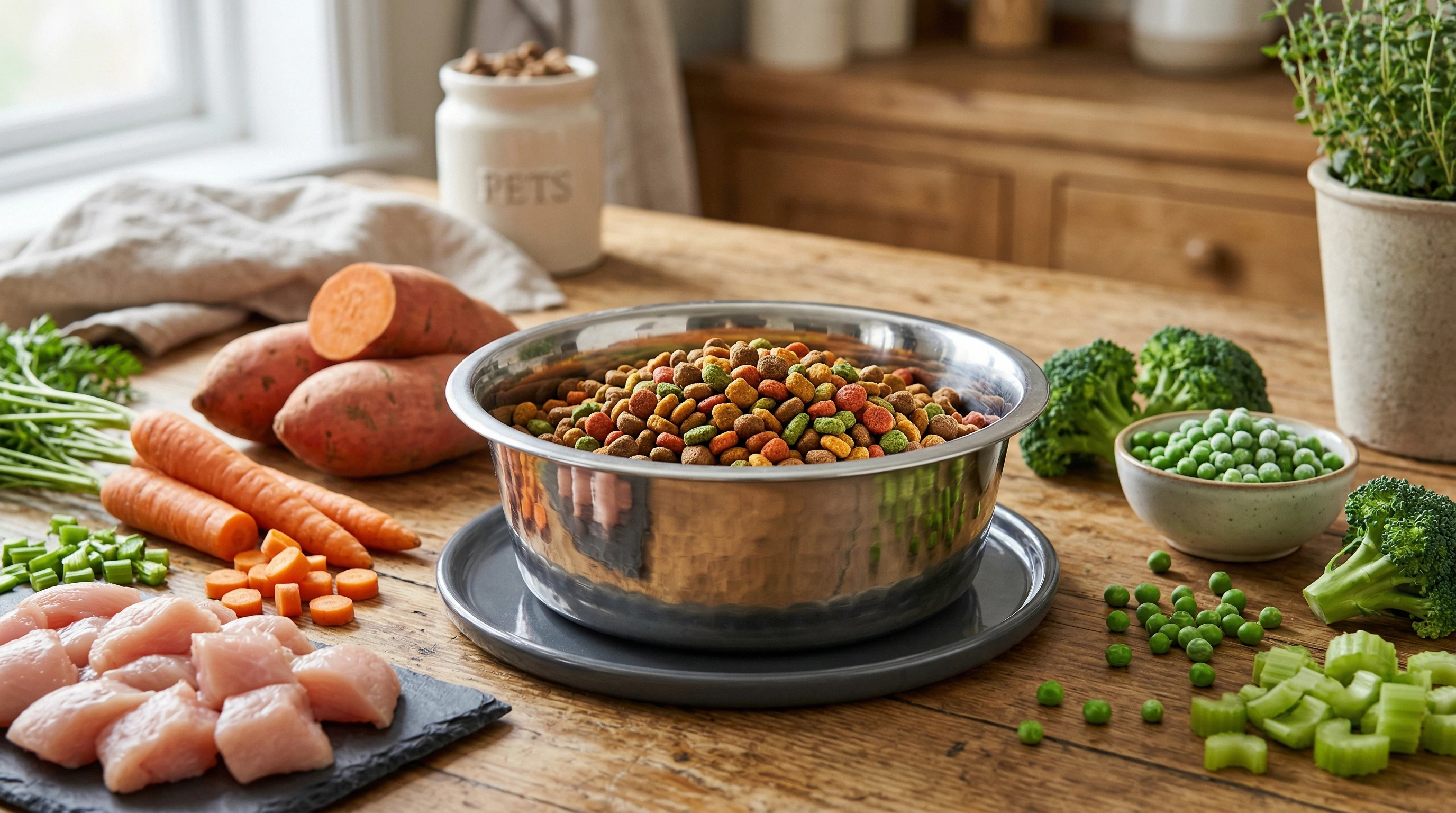
Why Ingredient Awareness Matters in Dog Food
A dog’s diet affects almost everything, from their coat and digestion to energy levels and even mood. I’ve learned that many health issues can be tied back to something as basic as poor food choices. Dog food brands often use certain fillers, additives, and byproducts because they’re cheaper or make the food look more appealing. Sometimes, the ingredient list can get pretty complicated. A closer look makes it clear that avoiding the wrong stuff can really help your pup live better for longer.
Kibble and canned foods have gotten more attention over the years for mostly negative reasons. According to the Pet Food Institute, more than 68% of US households own pets, and the commercial pet food industry is worth billions. But popularity doesn’t always equal quality. There’s a growing trend among dog owners to check what’s in that food bowl just as closely as we check what’s on our own plates.
Long-term exposure to questionable ingredients can lead to skin issues, allergies, obesity, digestive problems, and even more serious health risks, according to veterinarians and canine nutritionists. It doesn’t take a vet degree to spot some of the biggest red flags if you know what to look for.
Biggest Dog Food Ingredients to Watch Out For
Reading the ingredient list on your dog’s food can be eye-opening. Here’s an overview of ingredients I think are worth steering clear of and why they matter:
- Artificial Colors and Dyes: These are added to make food look more appealing to humans. Your dog doesn’t care about the color of their meal. Ingredients like Red 40, Blue 2, and Yellow 5 are linked to allergic reactions and may even impact behavior in sensitive pups.
- Artificial Preservatives: BHA, BHT, and ethoxyquin help extend the shelf life of dog food, but they’re under scrutiny for possible links to cancer and other health issues in animals. Vitamin E (mixed tocopherols) is a much safer option, even if it means the food won’t last quite as long.
- Meat Byproducts and Meat Meals (Unspecified): “Meat byproduct” or “animal meal” on a label usually means parts of the animal you wouldn’t want to eat, like beaks, feet, organs, or worse. These are cheaper alternatives to real, named proteins like “chicken” or “salmon,” but they’re not as nutritious and may be less digestible.
- Rendered Fat: This ingredient adds flavor and helps bind kibble, but it can be a hidden source of contaminants and bacteria if it’s from an unnamed source (“animal fat”). High-quality foods will use specific sources, like “chicken fat.”
- Sweeteners (Corn Syrup, Sucrose, Fructose): Corn syrup and other sweeteners are used to make food taste addictive for dogs, but dogs don’t need sugar in their diets. It adds empty calories and can promote obesity and dental problems.
- Cheap Fillers (Corn, Wheat, Soy): Corn and wheat often make up the bulk of budget dog foods. These grains aren’t always harmful, but when they’re the main ingredients, it usually signals low nutritional value. They can also trigger allergies in some dogs. Soy is another common allergen and is often highly processed before ending up in kibble.
- Propylene Glycol: Used to control moisture and mimic the texture of real meat, this compound is also found in antifreeze. It’s banned in cat food and can cause toxicity if consumed in large amounts by dogs.
- MSG and Flavor Enhancers: Often labeled “hydrolyzed protein” or “natural flavor,” these boosters can mask low-quality ingredients or poor taste. Some dogs can have negative reactions to these additives.
- Excess Salt: While salt is needed in small amounts, food loaded with sodium can be unhealthy, potentially leading to increased thirst, kidney issues, and high blood pressure.
How to Spot Low Quality Dog Food Ingredients
Ingredient lists can get tricky. Here’s what I pay attention to:
- Ingredient Order: Ingredients are listed by weight. If corn or soy shows up in the top three, the food is probably using those as cheap bulk fillers instead of quality protein.
- Vague Ingredient Names: Words like “meat meal,” “animal digest,” or “byproduct” without naming the animal source raise a red flag. It’s always better to see “chicken meal” or “salmon oil.”
- Lengthy Additive Lists: If you spot a laundry list of additives, dyes, or chemical names you can’t pronounce, it’s worth looking for a simpler, more natural brand.
Rethinking “Grain Free” and Boutique Diet Trends
“Grain free” dog foods have exploded in popularity, but these aren’t automatically better. I’ve noticed that some grainfree foods swap out grains with fillers like potatoes or pea protein. Those can still be problematic, especially if used in excess. According to the FDA, some boutique or grainfree foods have even been associated with a higher risk of heart issues (like canine dilated cardiomyopathy) in recent years. It’s not that all grains are bad. Whole grains can actually be fine for many dogs unless they have a specific allergy.
Some dog owners think going grainfree is the best way forward, but it’s not a magic bullet and can backfire if you’re not careful. Instead, keep an open mind and base your choice on your own dog’s unique needs. If you notice your pet has skin issues, upset stomach, or low energy after eating a new food—grainfree or not—it’s always smart to talk to your vet to figure out what’s best for them. Remember, just because a diet is trending or has fancy packaging doesn’t mean it is superior for every dog.
Understanding Preservatives: What’s Safe and What’s Not?
Preservatives keep dog food from spoiling, but not all preservatives are the same. Artificial ones like BHA, BHT, and ethoxyquin stick out as controversial. Some studies have raised concerns about their effects on the liver and overall health, though more research is needed. I always aim for foods that use antioxidants like mixed tocopherols (a natural form of vitamin E) or ascorbic acid (vitamin C) to keep things fresh. They work well, and there’s far less worry about negative longterm effects.
Natural vs. Artificial Preservatives
Pet foods advertising “natural” on the bag usually use vitaminbased preservatives, and these are recognized as safer by most vets. The tradeoff is a shorter shelf life, but that’s a small price to pay for peace of mind.
Practical Steps to Choose Better Dog Food
- Read Labels Carefully: Take a few extra minutes to check exactly what’s in the bag or can. I look for short ingredient lists with clearly named proteins and little to no artificial stuff.
- Pick Foods with Real Meat First: Chicken, beef, or lamb should show up first. This means your dog is getting more usable protein, not just filler.
- Go Easy on the Carbs: Dogs don’t need lots of carbohydrates. Look for foods where veggies are present, but not dominating the first few ingredients.
- Watch for Recalls: Staying informed about recent dog food recalls by checking resources like the FDA Recall List can help avoid picking up a bag with a questionable track record.
- Consult Your Vet: I always run food changes by my vet, especially since some dogs have specific needs or hidden allergies you might not know about. Your vet can suggest ingredients to avoid based on your dog’s history.
Common Questions About Dog Food Ingredients
Question: Is it okay if my dog food has grains?
Answer: Most dogs do fine with grains like brown rice or barley unless they have a diagnosed allergy. Problems start when dog foods use low quality grains or make up most of the meal with corn, wheat, or soy.
Question: Are meat byproducts always bad?
Answer: Not all byproducts are worthless, but it’s better when a company tells you exactly what parts they’re using (like “chicken liver” instead of “animal digest”). Transparency matters.
Question: Can artificial colors or flavors really harm my dog?
Answer: Some dogs are very sensitive to artificial additives and can develop allergies, skin rashes, or digestive issues. It’s best to avoid them if possible.
Question: Should I go grainfree if my dog has a sensitive stomach?
Answer: Not necessarily. Many sensitive stomach formulas still use mild, digestible grains. Cutting out grains is only needed if your dog really has a confirmed allergy.
Final Thoughts on Safer Dog Food
You don’t need a science degree or tons of time to pick a safer and healthier dog food. A little labelreading and ingredient awareness go a long way for your pup’s wellbeing. Avoiding unnecessary fillers, artificial additives, and vague meat sources can make a noticeable difference in your dog’s appearance and energy levels down the road. If you’re ever unsure, your vet is always the best resource for making smart choices about what ends up in the dog bowl. Your pup will thank you for it. Maybe not in words, but definitely in tail wags and happy licks.
Checking in on your dog’s health regularly, making note of how they handle new foods, and being proactive about ingredient lists helps ensure they have a long, healthy, and tail-wagging life. With so many choices out there, it might feel overwhelming, but staying informed makes all the difference. Happy feeding!