
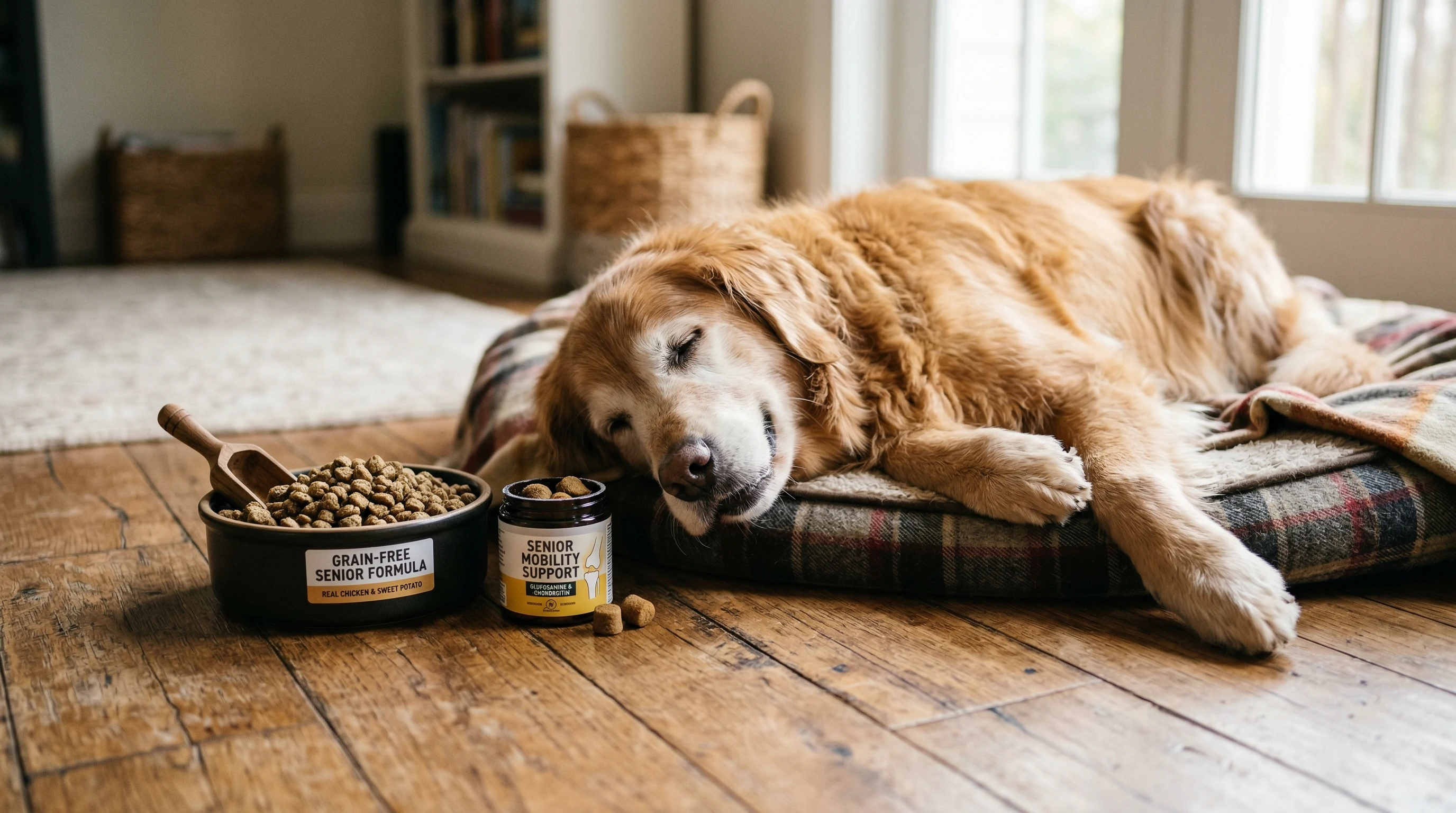
If you’re caring for a senior dog who has achy joints and needs a special diet, you’re probably looking for food that supports their aging body without upsetting their digestion. Grainfree dog food has become a go-to for a lot of folks with older pups, especially when allergies, sensitivities, or joint discomfort start showing up more often. I’ve spent a lot of time researching what works well for senior dogs with joint issues and put together a rundown on how to really support them through diet.
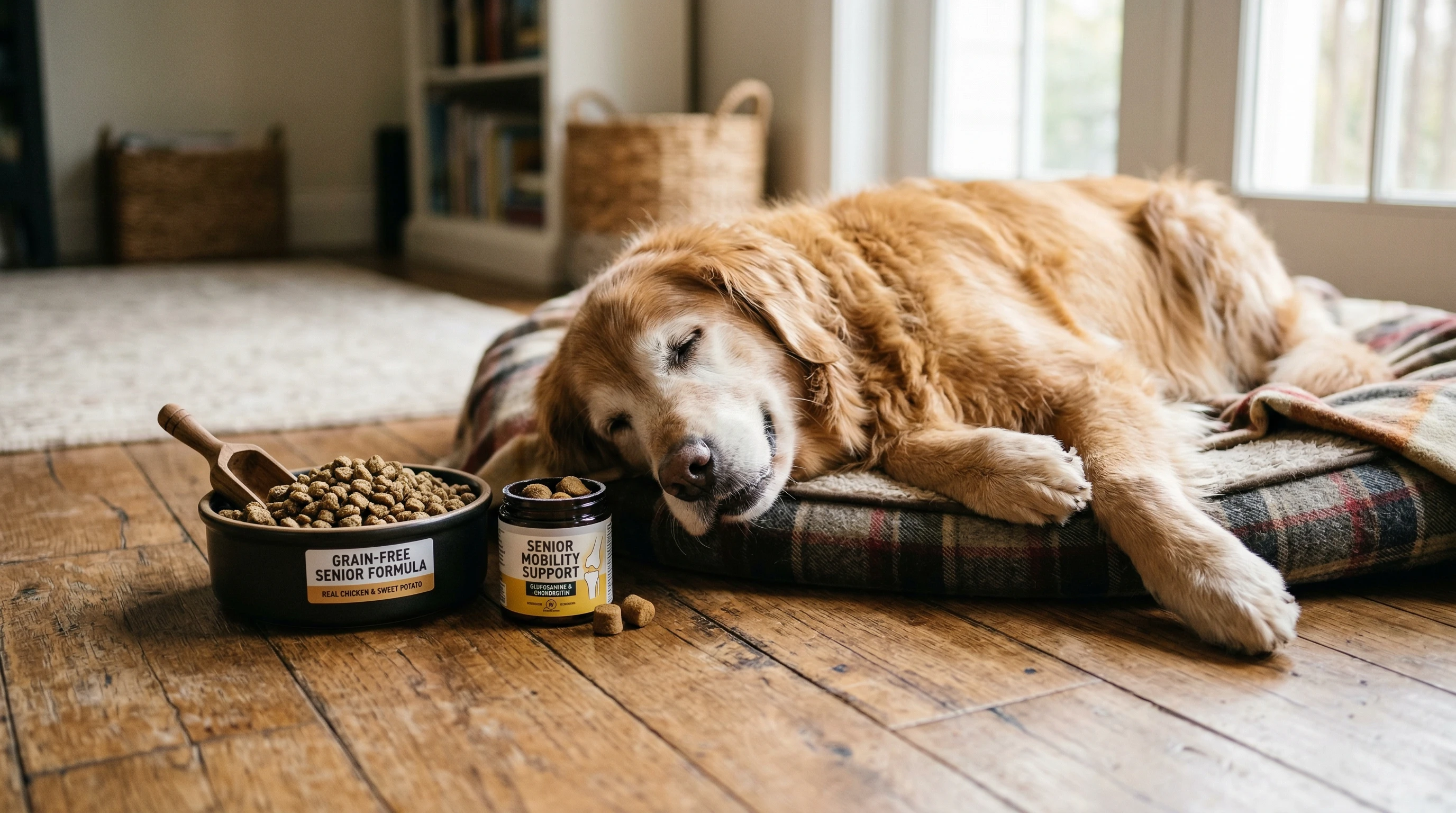
Why Grainfree Food Can Be Great for Senior Dogs
As dogs get older, their digestion tends to slow down and they can become more sensitive to certain ingredients. Grains, for some senior dogs, trigger tummy troubles or itchy skin. Going grainfree helps cut down on random flareups if your dog is prone to sensitivities.
Many grainfree dog foods pack in protein, healthy fats, and a variety of vegetables and fruits. These formulas can be easier on digestion and help maintain muscle mass. That really matters as your dog ages. When you remove grains like wheat, corn, and soy, you make space for more easily digestible ingredients.
This approach doesn’t work for every single dog, but for seniors with joint pain or those who seem itchy and uncomfortable on traditional food, grainfree is definitely worth checking out. You might start to see less scratching and a livelier dog, especially if the food also includes supplements for joints.
Main Nutritional Needs for Senior Dogs with Joint Problems
Older dogs often face arthritis, hip dysplasia, or other mobility issues. What you feed them can impact how they feel day to day. The American Kennel Club recommends that senior dogs get adequate protein to help prevent muscle wasting, while the American Veterinary Medical Association notes the importance of maintaining a healthy weight for joint health. Here’s what I watch for in food labels:
- HighQuality Protein: Helps preserve muscle and provides energy.
- Omega-3 Fatty Acids: Found in fish oil, these are super important for fighting inflammation.
- Glucosamine and Chondroitin: Naturally occurring in some meats, but often added in joint-health formulas; both support cartilage and mobility.
- Antioxidants: Support the immune system and help manage inflammation.
- Low to Moderate Calories: Keeps your dog from packing on extra weight, which puts even more stress on their joints.
Grainfree dog foods that check these boxes can really help your dog stay active and feel more comfortable as they age.
Popular Grainfree Dog Food Ingredients That Support Joints
I find it helpful to get familiar with the ingredients often highlighted in toprated grainfree senior formulas. Here are a few standouts when it comes to supporting joint health:
- Salmon and Other Fatty Fish: Great sources of omega-3s for less joint stiffness.
- Sweet Potato: Offers carbs without grains and is gentle on aging stomachs.
- Chicken Meal and Turkey Meal: Packed with glucosamine and chondroitin for better joint support.
- Flaxseed: Plantbased omega-3s and fiber for smoother digestion.
- Peas and Lentils: Plant proteins included in many grainfree recipes.
- Blueberries and Spinach: Natural antioxidants for overall health.
The Association of American Feed Control Officials (AAFCO) sets standards for complete and balanced nutrition in pet food, so I always look for their statement on the label to make sure the formula hits all the right marks.
Choosing the Best Grainfree Food for Joint Health: My Tips
With so many options, choosing the best grainfree dog food can get overwhelming. Here’s how I narrow it down for senior pups with joint issues:
- Check for Joint Supplements: Look for foods with added glucosamine and chondroitin. These help a lot with mobility.
- Look for Natural Sources of Omega-3s: Salmon oil or fish oil should be on the label if you want anti-inflammatory benefits.
- Watch Carb Sources: Foods that swap out grains for sweet potatoes, peas, or lentils are easier on old tummies.
- Mind Protein Quality: Pick recipes with named animal proteins (like deboned chicken or salmon) high up on the ingredients list.
- Check the AAFCO Statement: The packaging should say the formula is complete and balanced for adult maintenance or all life stages.
Switching foods should always be gradual. I usually spend at least a week mixing in the new food, increasing the amount each day while lowering the old food. This makes the change much easier on sensitive senior stomachs.
Common Challenges When Shopping for Grainfree and JointSupporting Dog Foods
- Price: These foods are often a bit pricier, but the extra supplements and whole food ingredients are what you’re paying for.
- Finding Truly Grainfree Options: Double check labels because sometimes “grainfree” might hide other fillers.
- Transition Troubles: Seniors can have sensitive digestive systems, so switching food too fast can cause upset.
- Palatability: Some older dogs get picky, especially if their appetite is lower, so flavor and smell really matter.
Transitioning to a Grainfree Diet Safely
When changing your dog’s diet, especially at an older age, slow and steady is key. I recommend mixing a bit of the new food with their old food for the first two days, slowly bumping up the new food and lowering the old food ratio throughout the week. Keep an eye on your pup, and watch for tummy upset or loose stools. If things aren’t looking better after a week or two, it might be worth checking with your vet for tweaks.
What About the “Grainfree and Heart Health” Debate?
You might have seen some headlines about grainfree food and heart health risks in dogs. The FDA has done research into certain grainfree diets possibly increasing the risk for a type of heart disease called DCM. No direct cause has been proven. I always check in with my vet before making a full switch, just to keep things safe, especially with older dogs.
Advanced Nutrition Tweaks for Aging Joints
If you want to take your senior dog’s joint care a little further, here are a couple more things I find super helpful:
- Turmeric or Curcumin: Some grainfree foods add these for natural anti-inflammatory properties.
- Supportive Supplements: Besides what’s in food, I sometimes add fish oil or a dedicated hip and joint chew for a little extra cushion.
- Controlled Calories: Use the feeding guide and check in with your vet about ideal weight, since even a couple of extra pounds can make joint pain worse for older dogs.
In fact, physical activity also plays a vital role in protecting your dog’s joints. Gentle walks, swimming, or short play sessions can maintain muscle tone, help keep off unwanted pounds, and boost your senior’s mood. Consistent, low-impact activities paired with a grainfree diet create a combination that supports overall joint function and makes day-to-day movement easier for aging dogs.
Practical Examples: How Seniors Benefit from Grainfree Dog Food
- Older Labs with Stiff Hips: Grainfree kibble with fish oil and glucosamine can help with mobility and reduce that morning stiffness.
- Small Breeds with Arthritis: Lighter, easy to chew, grainfree kibble makes it less of a struggle to eat, and joint supplements help them feel perkier.
- Rescue Dogs with Multiple Issues: Dogs with joint problems plus allergies have often done much better on a grainfree and limited ingredient food.
Frequently Asked Questions
Question: Are grainfree diets safe for all senior dogs?
Answer: Many older dogs do well on grainfree diets, but it’s always smart to talk with your vet first. Any special health conditions or risks (like certain heart problems) should be considered before switching.
Question: How can I tell if my dog is benefiting from grainfree food?
Answer: You may notice improved energy, a shinier coat, less itching, and a more steady gait if the food is helping. A good change in stool quality is another promising sign.
Question: What supplements help most with senior dog joints?
Answer: Glucosamine, chondroitin, and omega-3 fatty acids are the main ones to look for. Sometimes you’ll find turmeric or MSM added for extra support.
Final Advice on Choosing Food for Senior Dogs with Joint Issues
Making the switch to a grain free diet with built in joint support can help your senior dog feel more comfortable. Always look for foods with high quality protein, omega-3 fatty acids, and added joint supplements. Transition gradually and talk with your vet if you have any concerns about allergies, heart health, or weight management. If you get the right combo, your older pal can enjoy their golden years with less stiffness and more tail wags. With the right food and some patience, you’ll likely notice your senior dog moving easier and living their best life each day.