
Finding the perfect toy for your dog might seem simple, but honestly, it takes more thought if you want your dog to be happy, engaged, and safe. Not every ball, squeaky animal, or tug toy is right for every pup. Paying attention to your dog’s personality and breed helps a lot when you’re aiming to pick something they’ll actually love, instead of another forgotten toy in the basket or something shredded in seconds. Over the years, I’ve gathered a bunch of tips for matching the right toy to each unique dog, and with a little patience and creativity, you can build a toy box your dog adores.
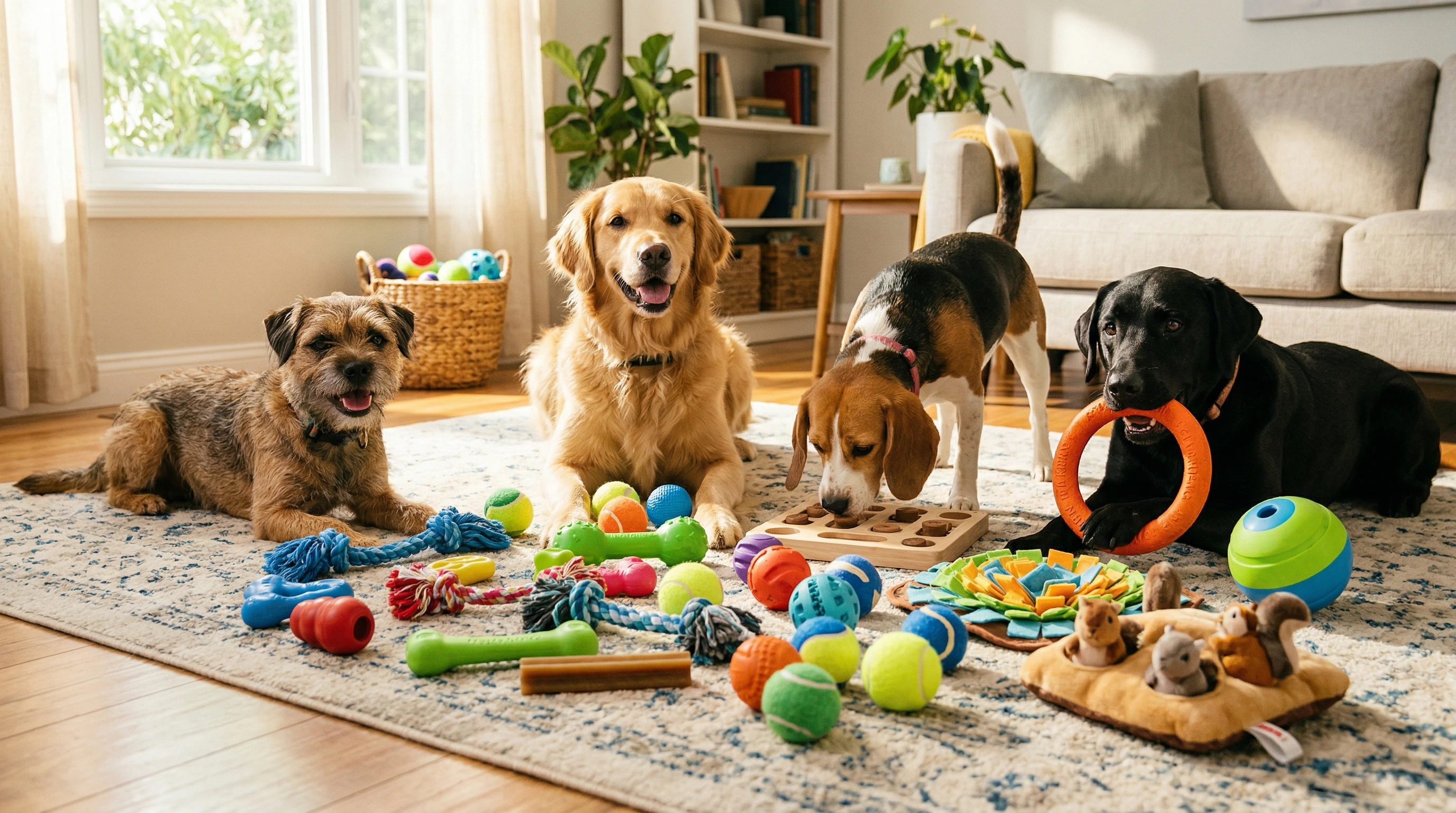
How Personality and Breed Shape Toy Choices
Each dog is unique, yet certain traits are common in specific breeds. Getting a sense for what drives your pup’s play style and personality makes it easier to pick toys that keep tails wagging. For example, herding breeds, like Border Collies, usually love mental challenges, while retrievers often can’t resist a game of fetch. Even dogs from the same breed can be wildly different; one might be an obsessive chewer, while another just wants soft, snuggly toys. Noticing these differences can make toy shopping more successful and fun.
Beyond breed, your dog’s personality is huge. A shy rescue may cling to a soft comfort toy, while an active puppy will want something interactive and stimulating. Pay attention to how your dog plays: Are they gentle, rough, persistent, or quick to lose interest? Watching these habits gives you great clues on what toys might hit the mark.
Types of Toys for Different Personalities
Once you get into your dog’s basic play style, picking out toys that are a hit gets much simpler. Here’s a rundown of toy types and what type of personality they best match:
- Chewers: Durable rubber toys like KONGs or heavy duty chew bones are perfect for dogs who want to gnaw. They satisfy chewing urges and save your stuff from being destroyed.
- Fetchers: Balls, frisbees, and fetch toys work best for pups who love chasing and bringing things back. Floatable versions are excellent for dogs who enjoy water.
- Cuddlers: Soft plush toys—sometimes with gentle squeakers—offer comfort for dogs that like to snuggle or carry something with them.
- Puzzlesolvers: Treat-dispensing toys and interactive puzzles provide mental stimulation for pups who get bored easily, especially working or herding breeds. These choices can give them a boost mentally and curb unwanted habits.
- Tuggers: Rope toys or durable fabric tugs make excellent options for dogs who enjoy pulling and playing tug-of-war.
Tracking down the right type of toy for your dog’s particular playtime approach is usually the first big win for a toy bin that never goes untouched.
Choosing Toys Based on Breed Traits
Knowing what your dog was bred for can really help with your choices. Check out how certain breed groups can point you in the right direction:
- Retrievers (Labs, Goldens): Born fetchers love tennis balls, water-safe bumpers, and toys made for endless games of fetch.
- Terriers (Jack Russells, Scotties): These pups adore chasing and shaking toys, so small, tough options or squeaky rodents are a hit.
- Herding Dogs (Corgis, Shelties, Aussies): Interactive puzzles and brainteasers help these sharp dogs, and agility gear keeps them engaged.
- Companion Breeds (Cavaliers, Shih Tzus): Think plush toys and gentle squeakers that are easy to tote and comforting.
- Working or Guardian Breeds (Boxers, Rottweilers, Huskies): Heavy duty tug toys and tough chew toys stand up to their bigger jaws.
Still, every dog is an individual, so use these tips as helpful starting points—it pays off to be flexible and responsive to what your own dog enjoys best.
Practical Steps for Picking the Right Toy
- Watch Play Behavior: Observe your dog with a few different toys and see which ones get the most playtime and how your dog treats them.
- Check Size and Durability: Always go for toys that are the right size and tough enough for your dog’s jaw strength and play habits.
- Switch Toys Regularly: Dogs get bored; rotating toys helps keep interest up while letting you spot favorites and retire old ones.
- Check Reviews and Ask Around: Other dog owners, especially those with similar breeds, can point you to great finds.
- Avoid Small Pieces: Particularly for large, powerful dogs, skip toys with tiny squeakers or parts that could be swallowed. For little dogs, make sure toys are manageable in size.
Things Worth Considering Before Buying Dog Toys
Buying the right toys isn’t just about entertainment. Here’s a rundown of things to keep in mind for safety and longevity:
- Material Safety: Non-toxic materials are key. Reputable brands usually mention this on the label or packaging.
- Easy Cleaning: Toys pick up slobber fast. Dishwasher-safe or machine washable toys can make life easier.
- Supervise When Needed: No toy is truly indestructible. Keep an eye out if you have a hard chewer, especially with plush or rope toys; broken toys are dangerous.
- Replace Damaged Toys: Chuck any toys that start to break apart. Swallowing stuffing, squeakers, or threads brings big risks.
Materials and Durability
Dogs can have impressive jaws and sometimes surprising strength—even small dogs can destroy “indestructible” toys. For pups who chew with a vengeance, go for toys marked heavy-duty or tough, but still peek at reviews for real owner experiences. For softer cuddlers, focus more on allergy-friendly materials and sturdy stitching.
Comfort and Enrichment
Toys aren’t all about exercise. Comfort and enrichment matter too. Many dogs treasure their plush buddy or get their mental needs met with puzzles, which is especially important if they spend time home alone. Keeping dogs engaged this way stifles boredom, which can help prevent destructive chewing or nuisance barking. Offering both comfort toys and mentally challenging options creates a balanced toy chest for most pups.
Pro Tips and Tricks for Making the Most of Dog Toys
The way you introduce and use toys counts as much as the toys themselves. Here are some of my favorite methods:
Vary Sensory Experiences: Mix up different textures, sounds, and shapes—crinkle, chew, plush, squeak—to keep your dog excited and curious.
Use for Bonding: Interactive playtimes, like tug or fetch, double as strong bonding moments and training opportunities.
DIY Toy Solutions: Sometimes homemade options, like old t-shirts braided for tugging or treat puzzles built from tennis balls and muffin tins, do the trick for less money.
Slowly Introduce New Toys: Don’t overwhelm your dog with toy overload. Try adding a new one at a time; it builds excitement and lets you spot what your dog truly loves.
Experiment with swapping out toys, changing treats in puzzles, or using toys in creative ways during training. If your pup ignores something, try adding a favorite snack, making it part of your playtime together, or giving it some time in the “toy rotation” to make it seem new.
The Basics: What New Dog Owners Should Watch for in a Toy
New dog owners (or anyone bringing home a fresh puppy) should keep a few basics top of mind for toy shopping:
- Size Appropriateness: Pick toys big enough to carry, but not small enough to swallow by accident. For puppies, go with gentle options that won’t be rough on baby teeth and gums.
- Interactive Toy Choices: Toys that invite play between you and your dog—think tug ropes or a classic tennis ball—are perfect for building connections and supporting early training.
- Low-Mess Choices: Plush toys may mean fluff explosions for some pups, so go with tough rubber or stuffing-free options if you prefer a neat house.
Let your own experience and knowledge of your pup guide you. It won’t take long before you spot which toys keep your dog busy and which ones always end up untouched in the bin.
Frequently Asked Questions
Here are some popular questions from folks looking to step up their dog toy game:
Question: How do I know if a toy is safe for my dog?
Answer: Look for non-toxic labels, choose a toy that can’t be swallowed, and toss anything with signs of damage. Always supervise strong chewers to prevent accidents.
Question: What’s the best toy for a teething puppy?
Answer: Puppy-specific rubber toys are soft on gums, and some can even be chilled in the freezer to soothe discomfort. Puppy Toys
Question: How often should I rotate dog toys?
Answer: Switching toys every few days works wonders. It keeps your pup’s interest up and makes “old” toys seem new again.
Wrapping Up
Picking the best toy for your dog is really about knowing what they like, matching playthings to their personality, and experimenting until you’ve built up a box of favorites. Focus on safety, fun, and staying open to a little trial and error. Over time, you’ll have a selection that keeps your individual dog happy—while hopefully saving your shoes from becoming the next chew project!
Investing a little effort in choosing suitable toys helps your dog burn energy, learn, and feel comforted, cutting way down on household destruction and keeping everyone a lot happier.