
Keeping your dog in great shape goes way beyond good food and playtime. Over the years, I’ve learned that supplements can fill gaps in your dog’s health routine that regular kibble sometimes misses. There are plenty of options out there, so finding what suits your pup best can take a bit of homework. Here’s a practical guide I’ve put together for dog owners who want to get smart about supplements, whether you’re after joint health, shiny coats, or a boost for your dog’s immune system.
Why Consider Health Supplements for Dogs?
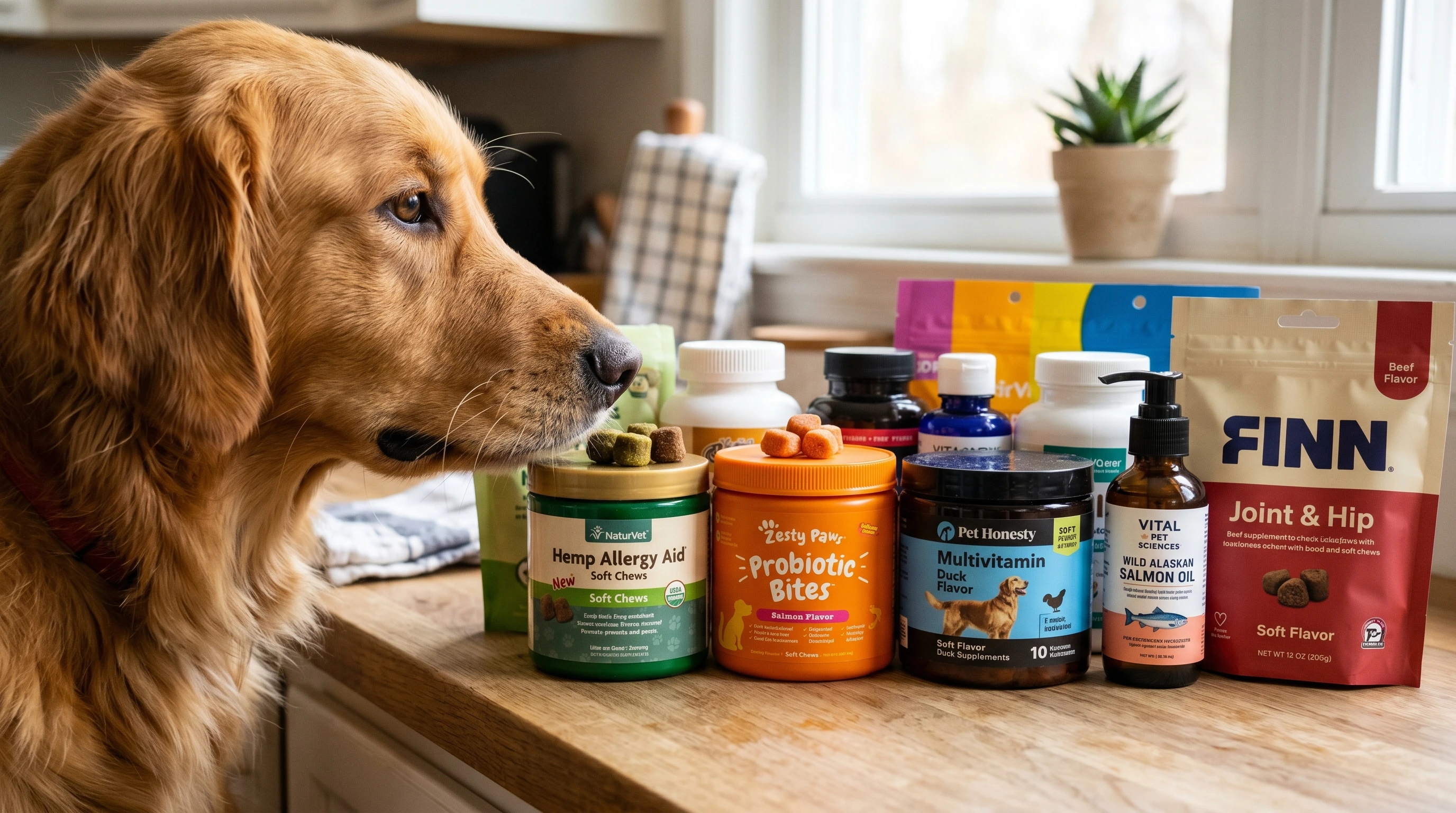
Dog supplements help target specific health needs that diet alone can’t always cover. Over time, I’ve seen how age, allergies, stress, or even breed quirks call for a little extra help. Supplements can support your dog’s immunity, digestion, skin and coat, joints, and more. The supplement market for pets keeps growing, and tons of vets recommend adding them for preventive care or to address specific health concerns, especially as dogs get older.
If you have a pup who struggles with itchy ears, joints that creak in cold weather, or even an upset tummy every now and then, there’s probably a supplement out there that can help. Supplements aren’t just for sick dogs. Healthy dogs benefit too, especially active breeds, aging pets, or those with known health risks. For instance, active dogs who love hiking or running can put a lot of wear and tear on their bodies, and the right support can help keep their joints comfortable. Even if your dog eats premium dog food, certain nutrients can be lost during processing, which is another reason some owners consider adding a supplement as a little health insurance.
Types of Dog Health Supplements (And What They Do)
Some supplements are more popular and practical than others, but each fills a slightly different role. Here’s a breakdown I usually look at when deciding what to try for my dog:
- Joint Support Supplements: Usually packed with glucosamine, chondroitin, and MSM; these help aging or big-breed dogs stay limber and active. They’re super useful if your pup seems stiff after a walk or slow getting up from naps.
- Omega-3 Fatty Acids: Fish oil and flaxseed based supplements give a boost to skin and coat health. Dogs with itchy skin or dull coats benefit the most, and I’ve seen it help with seasonal shedding too.
- Probiotics: These are live, beneficial bacteria that balance your dog’s gut health. They’re handy for pups with digestive trouble, or if your dog just finished a round of antibiotics.
- Multivitamins: Great for overall wellness, but particularly good for picky eaters who may not get all the nutrients from food alone.
- Calming Supplements: Made with ingredients like L-theanine, valerian root, or chamomile, these can comfort anxious pups during storms or vet visits.
- Immune Boosters: Things like colostrum, mushrooms, or antioxidants help dogs fight off everyday bugs or bounce back faster from illness.
There are also supplements targeting dental health, urinary health, and even cognitive support for senior dogs. Dental powders that reduce tartar, blends supporting kidney health, or antioxidants for aging dog brains can all be part of your dog’s routine as needed. The key is to watch your dog’s habits and pick what fills in the gaps for them best. Try Aniwell
Choosing the Right Dog Supplement For Your Pup
Picking a supplement for your pup takes some observation and research. I always watch for things that seem “off,” like loss of appetite, joint stiffness, dull coat, or itchy skin. Talking with your vet before you start anything new is really important. Not every dog needs the same thing, and your vet can help spot underlying issues you might not have noticed.
Dog supplements come in chewable tablets, softchews, powders, and liquids. I find that most dogs love softchews because they treat them like snacks. For those who aren’t food motivated, I’ll mix powder into food or add a splash of liquid to their kibble. Dosing by weight is super important; it’s always a good idea to read labels and follow instructions exactly, especially with active ingredients like fish oils or herbal extracts.
Some dogs can be picky or may have food sensitivities, so sometimes it takes a little experimenting with formulas or flavors. Choosing a product without unnecessary flavors or fillers is always a plus, especially for pups prone to allergies.
Some Top-Rated Dog Health Supplements Worth Checking Out
- Anwell Softchews – These chews cover joint, skin, and general wellness for dogs of all ages.
- Omega-3 Fish Oil (Wild Alaskan Salmon Oil) – Really popular for keeping coats sleek and minimizing itching. I use it year round.
- PetHonesty Probiotics – Perfect for pups with sensitive tummies or on antibiotics.
- Zesty Paws Mobility Bites – These softchews are great if your dog’s slowing down or you see signs of joint discomfort.
- Vet’s Best Comfort Calm Chews – These chews are great for dogs who get worried about fireworks or unfamiliar places.
- Doggie Dailies Advanced Multivitamin – Tasty chews filled with vitamins, minerals, and a few joint friendly extras.
Every dog reacts a bit differently, so I like to start with a smaller dose and watch for changes. Give any supplement at least a few weeks for noticeable improvements, and keep your vet in the loop. If you’re using more than one supplement, introduce them separately so you can track which one makes a difference for your dog.
Common Questions About Dog Supplements
I get asked about dog supplements all the time. Here are a few of the big questions that pop up, plus what I’ve figured out from my own experience and chats with other pet owners:
Are dog supplements safe?
Most commercially available dog supplements are pretty safe if you stick to the recommended dose and buy from trusted brands. I always read ingredient lists, especially for allergies. When in doubt, I ask my vet about new products, especially if my dog has a medical condition.
When should I start giving my dog supplements?
It depends on your dog’s age, lifestyle, and health. Senior dogs, large breeds, rescues, and any pup showing early signs of discomfort or immune concerns can benefit the most. Some people start puppies on probiotics or omega-3 early, especially for skin or digestion support. If your dog’s energy seems lower or their fur isn’t as shiny, it might be time to consider a supplement for general health. Watching for subtle changes will help you spot the best time to start.
Do supplements replace a healthy diet?
Supplements won’t make up for poor quality food. They’re an add on, not a replacement. Stick to high quality, balanced kibble or home cooked meals, and use supplements for extra support.
How fast will I see results?
Some changes show up fast, like probiotic support for tummies, but joint supplements and skin products usually take a month or so. The key is consistency and patience. Keep in mind that, sometimes, subtle improvements like more pep in your dog’s step or less itching may sneak up gradually rather than coming all at once.
What ingredients should I avoid?
Skip anything with artificial coloring, too much filler, or unnecessary ingredients that could irritate sensitive pups. Steer clear of products not specifically labeled for canine use, as human supplements may dose way too high for dogs.
Things To Think About Before Adding Supplements
- Allergies and Sensitivities: Some supplements, especially those with beef or chicken flavoring or certain herbs, can irritate sensitive pups.
- Mixing Medications: Always check with a vet if your dog is already on meds or prescription diets. Some supplements interact with medicine or boost effects.
- Quality and Sourcing: Choose brands that share third party lab results or have vet recommendations. Look for simple, recognizable ingredient lists.
- Price vs. Value: High price tags aren’t always a sign of better quality. Compare label details, dosages, and reviews. Sometimes a midrange softchew or powder gets the job done without breaking the bank.
Supplements can be a good investment if you do your homework and choose the right fit for your dog’s needs. I avoid impulse buys and always look up reviews and proven benefits before switching my dog’s routine. Also, don’t be afraid to reach out to pet owner communities or ask your vet for their experiences with certain brands.
A Few Extra Tips That Make a Difference
Start Slow and Track Progress: Give one new supplement at a time, so if your dog reacts poorly, you know the cause. I jot down notes in my phone if I notice new shedding, clear skin, extra energy, or changes in stool. Even minor shifts, like your dog scratching less or running more energetically, can show things are on the right track.
Be Patient: Most real results show after regular use. Stick to the same supplement for a few weeks before judging if it’s working. If nothing seems to change after a month or two, you can try adjusting the dose or trying a different brand, always with vet advice along the way.
Pair with Regular Check-Ups: Annual or biannual wellness checkups are super important, especially if your dog is aging or has health issues. Bring your supplements list with you to your vet appointment so you get feedback on possible overlaps or unnecessary extras. Vets often spot interactions that you might miss on your own.
Don’t Skip Doses: Giving the supplement at the same time every day helps both you and your dog stay on track. After a while, it just becomes a part of your pup’s normal routine. If you have multiple dogs, separate organizers can help you make sure each gets their right dose without mistakes.
Monitor for Side Effects: Sometimes, a supplement doesn’t agree with your pup. Look out for upset stomach, changes in energy, or skin issues. If you’re unsure, stop the supplement and ask your vet. Usually, switching to a simpler formula helps.
Read Labels Carefully: Double check serving sizes, expiration dates, and active ingredients. Stick with products formulated for dogs, and steer away from those with artificial preservatives or colors.
Bottom Line on Dog Health Supplements
Adding the right supplement to your dog’s daily lineup can keep them active, comfortable, and happy well into their senior years. Check with your vet, pay attention to quality and ingredients, and start small. With consistent care and a bit of patience, supplements can really add sparkle to your dog’s life, and yours too, knowing you’re doing everything to help your best friend stay healthy. By picking supplements with clear benefits and good reviews, and staying vigilant about your dog’s wellness, you’ll help them live their best life every day.