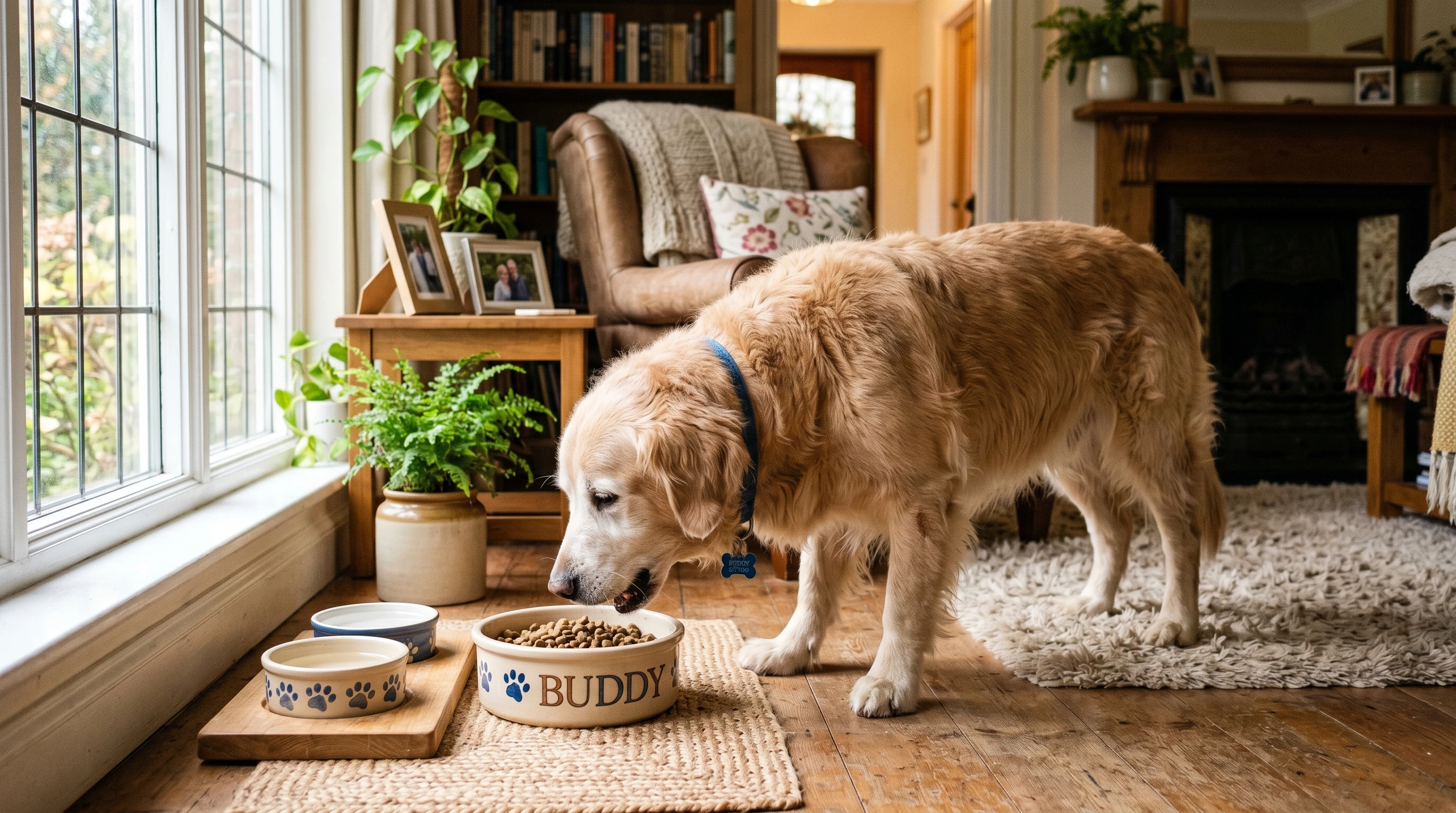
Adjusting your senior dog’s diet is a lot like tuning up a well-loved car to keep it running smoothly well past 100,000 miles. As dogs age, their nutritional needs change, and a little extra attention to their food can help them stay healthy and happy for as long as possible. Figuring out all the available choices and advice can feel overwhelming, but a few practical adjustments go a long way. Here’s what I’ve learned about updating dog diets as our fourlegged friends get older.
Understanding Senior Dog Nutrition Basics
Senior dogs process food and nutrients differently than pups or adults. Metabolism slows down, meaning they burn fewer calories. Some dogs become less active and lose a bit of their muscle mass, while others might develop joint issues or dental concerns that impact eating habits. A few even start gaining weight from eating the same diet they’ve always had.
Knowing where your dog is in their health adventure helps you tweak their diet for the best results. A general rule of thumb: most dogs are considered seniors around age seven, but this can vary by breed and size. Big breeds hit the senior years earlier, while little breeds take a bit longer to get there.
Switching to a seniorfriendly diet supports their bodies as they deal with issues like arthritis, changes in kidney function, or even just a little less pep in their step. When in doubt, asking your vet for guidance is always a safe bet.
How to Spot the Signs That It’s Time to Change Your Dog’s Food
There are a handful of signs that your dog’s current diet might not be working as well as it used to. Some of these include:
- Slowing down or tiring easily: Less energy might mean your dog needs fewer calories, but more quality protein.
- Gaining or losing weight unexpectedly: Changes in appetite or metabolism can lead to noticeable shifts on the scale.
- A dull, dry coat or itchy skin: Senior dogs sometimes need extra omega3s and healthy fats.
- New digestive issues: More frequent tummy troubles might point to a food sensitivity or a need for easil_digestible formulas.
- Picky eating or trouble chewing: Dental disease or sore gums often call for softer foods or special textures.
You know your dog best, so spotting new quirks helps prompt timely diet changes, before little issues become big ones.
Key Ingredients to Look For (and Some to Avoid)
Senior dogs benefit from a few specific nutrients that might not be front and center in regular dog food. Here’s what I always keep an eye out for:
- Quality protein: Older dogs lose muscle mass more easily, so keeping their protein intake strong helps preserve muscle. Look for meat, fish, or poultry high up on the ingredients list.
- Fiber: Digestive systems can get sluggish, so adding extra fiber (from veggies or special prebiotic fibers) keeps things moving.
- Omega3 fatty acids: Ingredients like fish oil or flaxseed support joint health and keep coats shiny.
- Antioxidants: Senior dogs need extra help fighting the effects of aging, so foods rich in vitamins E and C, plus betacarotene, are worth checking out.
- Glucosamine and chondroitin: These are the gotos for joint support and may help with arthritis pain or stiffness.
- Lower fat and fewer calories: Since most senior dogs slow down, avoiding unnecessary weight gain helps support good health.
Some things are best left out. I try to avoid foods with too much salt, excessive fillers like corn or soy, artificial colors, and added sugars. These aren’t just low value for senior pups; they might even be uncomfortable for sensitive tummies.
Check out a few different options for Senior foods, Nextrition cold pressed food, Smallbatch Pets food, Raw Paws Pet food, Amazon Senior Foods
Quick Guide to Transitioning Your Dog to a Senior Diet
Switching foods isn’t about dumping out the old and pouring in the new. Dogs have sensitive digestive systems, and big, sudden changes can lead to upset stomachs or even refusal to eat. I’ve always found these steps helpful:
- Mix slowly: Start by swapping about 25% of the new food with 75% of the current food for several days. Gradually bump up the new and scale back the old over a week or more.
- Watch for reactions: Keep an eye out for extra gas, diarrhea, or vomiting. Back off and go slower if anything seems off.
- Adjust portions: Older dogs often need slightly less, so check feeding guidelines and adapt to your dog’s activity level and body condition.
- Stay consistent: Dogs love routine, so feed meals at the same time each day as you transition.
- Keep your vet in the loop: If you’re switching diets because of medical issues, run everything by your vet.
Transitioning this way helps avoid digestive issues and makes meal times stressfree for you and your pup.
Common Pitfalls With Senior Dog Diets (and How to Avoid Them)
Even the most thoughtful dog owners run into problems now and then. Here are a few things I’ve run across, plus how to dodge them:
- Overfeeding “because they look hungry”: More treats or bigger servings don’t always equal a happier dog. Seniors sometimes beg just out of habit or boredom.
- Ignoring hydration: Older dogs are prone to dehydration. Wet food can help, or just offer water frequently throughout the day.
- Sticking with one food for too long: Their needs can change pretty quickly with age; regular vet visits make sure the diet is still working for them.
- Treats with lots of calories or salt: Swap out biscuits for small pieces of veggies or special lowcalorie treats.
- Sneaking table scraps: Human food can be too rich and sometimes dangerous for seniors. Foods like onions, grapes, or chocolate are risky at any age.
Paying Attention to Special Health Issues
Every older dog is unique. Some need special diets for kidney disease, diabetes, or heart issues. When that happens, prescription foods or tailored storebought diets are available. For example, dogs with kidney trouble may need lower protein and extra omega3s, while diabetic dogs benefit from steady, lowglycemic foods to keep blood sugar stable.
Your vet or a pet nutritionist is a solid resource if your dog needs something more specialized. Keep a log of any changes in appetite, weight, or behavior. It can help spot issues early and guide diet tweaks.
Tips for Making Mealtime More Enjoyable for Senior Dogs
Eating should feel comfortable and enjoyable, no matter your dog’s age. A few small adjustments can make a big difference:
- Try wet or canned food: Softer food is gentle on sore mouths and smells stronger, which is great if your dog’s sense of smell isn’t what it used to be.
- Warm it up: A few seconds in the microwave brings out the aroma and often tempts picky eaters.
- Use elevated bowls: These help dogs with arthritis or neck pain eat comfortably.
- Stick to a schedule: Regular routine meals help older dogs with digestion and anxiety.
- Break up meals: Smaller servings throughout the day can help with digestion and energy levels, especially if your dog struggles with larger meals.
If your senior dog is having trouble at mealtime, it’s also worth checking their dental health. Dental issues can sneak up on older pups and sometimes the fix is as simple as a teeth cleaning or finding a softer option. In addition, introducing interactive feeders or puzzles can add some fun and stimulation, keeping your dog’s mind as sharp as possible as they age.
RealWorld Example: How Dietary Tweaks Helped My Dog Age Gracefully
When my Labrador, Ruby, started showing her age at nine, she became less active and started gaining weight even though her habits hadn’t changed much. Her coat also lost its shine, and she seemed a bit pickier at meals. I started mixing in a special senior formula with higherquality proteins and fish oil. I also broke her meals into three smaller ones a day, and added a tiny bit of canned food to entice her.
Within a few months, Ruby’s energy bounced back, her coat looked glossier, and she became more excited at mealtimes. It took a bit of trial and error, but paying attention to her aging needs made all the difference in her golden years. These changes not only brought back Ruby’s spark but also helped strengthen our bond as I learned to listen to what she needed most in her senior phase.
Frequently Asked Questions About Senior Dog Diet Adjustments
Here are a few questions I hear most often from other dog lovers who want to do right by their senior pups:
Question: When should I switch my dog to a senior food?
Answer: Most dogs benefit from a senior formula around 7 years old, but bigger breeds may need it sooner. Ask your vet if you’re unsure.
Question: Is grainfree food better for senior dogs?
Answer: Not necessarily. Unless your vet recommends it for allergies or health issues, whole grains can be a healthy part of a balanced diet for most dogs.
Question: How often should I feed my senior dog?
Answer: Many older dogs do better on two or three smaller meals a day instead of one big meal, especially if their appetite or digestion changes.
Question: Can supplements help my aging dog?
Answer: Supplements like glucosamine or fish oil can help with joint mobility or skin health, but talk to your vet before adding anything new.
Making Senior Years Happier With the Right Diet
Caring for a senior dog means paying extra attention to their changing needs, especially when it comes to food. Whether your pup needs softer meals for sensitive teeth, more protein for muscle strength, or a little extra joint support, a few smart tweaks can keep them healthy and happy longer. I’ve found that with regular checkins, great food, and a little patience, our old friends can keep enjoying life to the fullest well into their golden years.