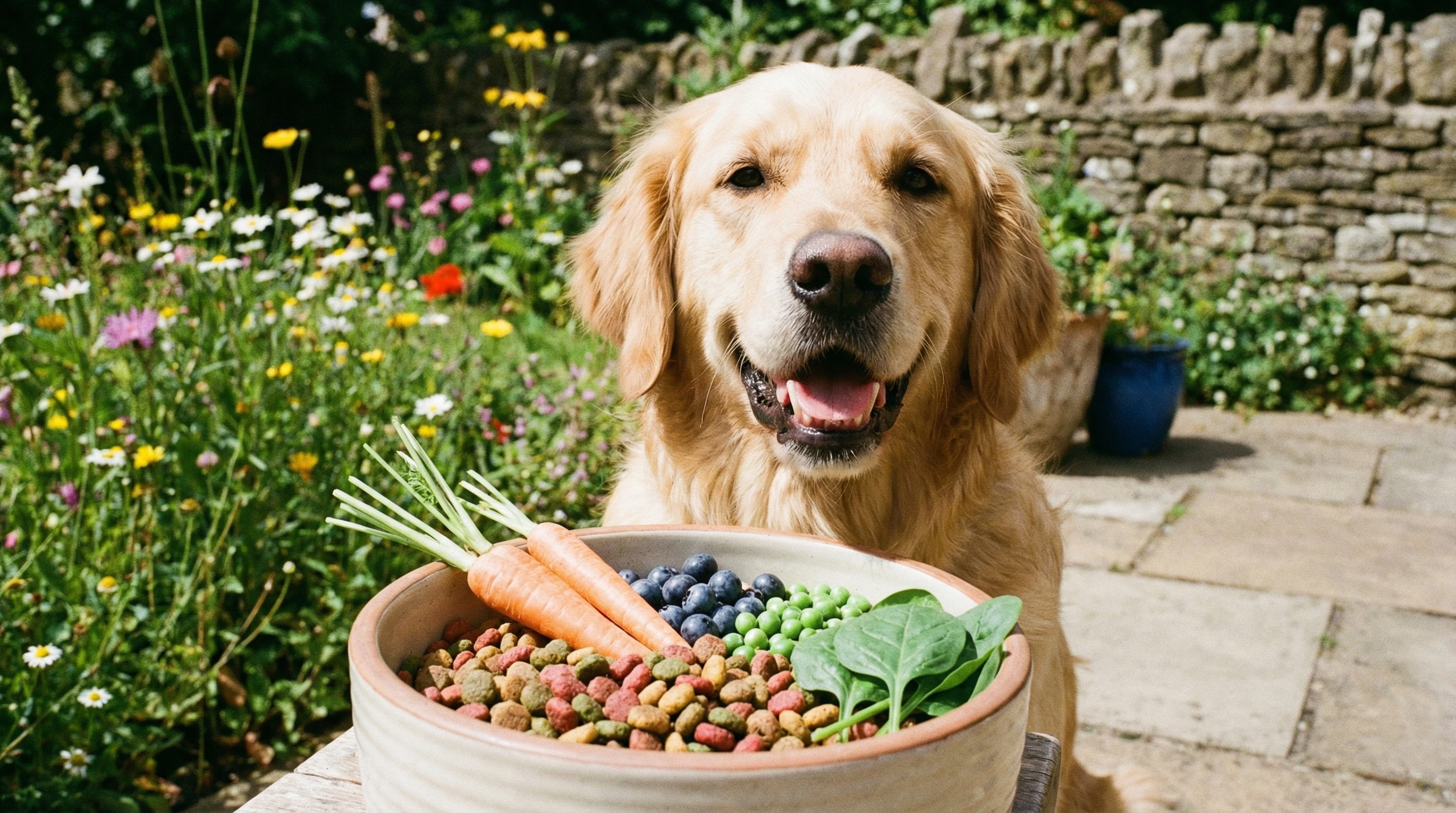
A balanced diet for your dog is one of the best ways to keep them healthy, active, and happy for years to come. Just like people, dogs need a mix of proteins, carbohydrates, fats, vitamins, and minerals to thrive. There’s a lot of conflicting info online about proper nutrition for dogs, and it’s pretty easy to get overwhelmed with all the options. So, I’m putting together a guide that covers what a balanced diet really means for your dog, plus how you can make sure their bowl is filled with everything they need.
Why Balanced Diets Matter for Dogs
Good nutrition plays a huge role in your dog’s energy levels, weight, skin and coat health, and even their mood and immune system. Most health problems like obesity, dull coats, and digestive issues start with what your dog is eating, or not eating. Dogs are omnivores, which means they need a variety of food groups, not just meat. Feeding a wellrounded diet every day helps cut down on vet bills and keeps your dog looking and feeling their best.
Pet food companies and veterinarians play a big part in shaping what’s on store shelves. According to the American Pet Products Association, US pet owners spend billions each year feeding their dogs. With so many options, figuring out what truly benefits your dog is worth the effort.
Dog food has come a long way from table scraps in the past. Homecooked, commercially prepared kibble, and raw diets all have their fans, and many dogs do well on different diets. Still, what matters most is that the food meets your dog’s nutritional needs.
Understanding Your Dog’s Nutritional Needs
Dogs need specific nutrients in the right amounts to grow, maintain muscle, support their organs, and keep their immune system strong. Here’s a quick rundown of the basics every dog needs in their daily diet:
- Protein: Builds and repairs body tissues, supports muscle, and is key for growth and development. Look for real meat, fish, or egg as one of the main ingredients in your dog’s food.
- Carbohydrates: Supply energy, help digestion, and come from things like rice, oats, barley, and sweet potatoes. Dogs can digest grains when they’re cooked, and carbohydrates provide fiber for a healthy gut.
- Fats: Give concentrated energy, promote healthy skin and a shiny coat, and support cell function. Chicken fat, salmon oil, and flaxseed are good fat sources.
- Vitamins and Minerals: Needed in small amounts to help the body function properly. Dogs get these nutrients from a mix of ingredients like veggies, fruits, and organ meats.
- Water: The most important part of any diet. Always keep fresh water available for your dog.
Steps to Build a Balanced Diet for Your Dog
- Pick the Right Food: Commercial dog kibble labeled “complete and balanced” by the Association of American Feed Control Officials (AAFCO) covers all the nutrients most dogs need. Look at the ingredient list and choose foods with highquality, named animal proteins and wholesome carbs.
- Portion Control: Serving size matters; a lot. Use your dog’s age, weight, activity level, and metabolism as a guide. Too much food leads to obesity, and too little can cause a range of health problems. Check your food packaging or talk to your vet if you aren’t sure how much to give.
- Life Stage and Breed Matters: Puppies, adults, seniors, small breeds, and large breeds all have unique needs. Feeding puppy food to a senior dog, or largebreed food to a toy breed, isn’t ideal. Most dog food companies offer different formulas for different life stages and sizes.
- Occasional Treats and Extras: Treats are great for training, but they shouldn’t make up more than 10% of your dog’s calories. Avoid fatty scraps, onions, chocolate, grapes, and other foods that are toxic to dogs.
- Consider Supplements if Needed: Most commercial diets have everything a healthy dog needs, but picky eaters and dogs with medical conditions sometimes benefit from extra supplements. Always check with your vet before adding anything new.
Following these steps makes it much easier to balance your dog’s nutrition and avoid accidental pitfalls. Small changes, like rotating protein sources, can add variety and prevent allergies or boredom, too. If you’re unsure about how to plan a week’s meals or how to read nutrition labels, your veterinarian can help spell it out in simple terms.
Things Worth Thinking About Before Changing Your Dog’s Food
Switching up your dog’s diet often seems simple, but there are a few things that can make a big difference for their happiness and health. Here are some things I’ve learned:
- Tummy Sensitivity: Dogs with digestive issues might need special diets with limited ingredients or certain kinds of fiber. Slow transitions between foods are really important to avoid stomach upset.
- Quality vs. Cost: Pricey boutique diets aren’t always better. A lowercost food with balanced nutrition often works better than a fancy bag packed with fillers or weird ingredients.
- Special Conditions: Dogs with allergies or health conditions might need prescription diets or careful home cooking. Vets can help sort through options if your dog has itchy skin, ear infections, or digestive troubles.
- Reading the Label: Dog food labels can be confusing. Look for recognizable protein sources first, avoid artificial colors and preservatives, and skip anything too vague, like “meat byproducts” unless the brand explains what that means.
Tummy Sensitivity
When switching diets, your dog can go through a period of upset if changes come on too fast. Gradual shifts over about a week, mixing the new with the old food, are usually easiest on their digestive system. A sensitive stomach formula might help if your dog struggles with loose stools or vomiting when introducing new foods.
Quality vs. Cost
Not every premium bag of dog food is automatically better. Some grocery store brands are well formulated and get the job done, while certain “holistic” or “grain free” options may miss out on vital nutrients. Reviews from other pet owners and chatting with your vet can help find a solid option for your budget and dog’s needs.
Special Conditions
If your dog gets frequent ear infections, licks their paws obsessively, or has unexplained tummy issues, they could be reacting to an ingredient in their food. Many dogs with food allergies do well on “limited ingredient” diets, or commercial foods that only have one meat and one carb source. Vets can also recommend prescription diets for allergies, urinary stones, or weight control.
Reading the Label
Picking up a dog food bag and reading the ingredients can tell you a lot. Real named proteins, like “chicken,” “beef,” or “lamb,” should be near the top. Fish is great for dogs with allergies or sensitive skin. Avoid foods where “meat” is the only description unless you can confirm what kind of meat it actually is. Fewer additives and more transparent ingredient labels usually make it easier to judge quality.
Customizing your dog’s diet doesn’t have to be complicated. Asking questions and checking labels goes a long way, especially for sensitive or picky pets.
Extra Tips for a Happier, Healthier Dog Bowl
Once you have the basics down, you can tweak your dog’s meals to fit their tastes and needs even better. Here are tips that I’ve found handy:
Rotate Flavors and Proteins: Dogs can get bored eating the same thing every day. Trying out foods with salmon, duck, or lamb keeps things interesting and can lower the risk of allergies from overexposure to just one protein.
Add Fresh Foods: A spoonful of plain yogurt, a bit of scrambled egg, or steamed veggies like carrots or green beans make a bowl more exciting and provide some extra nutrients. Just steer clear of anything unsafe for dogs.
Track Your Dog’s Weight: Regular weighing helps you catch weight gain or loss before it becomes a bigger problem. Adjust portions if you see any trends, or chat with your vet about the right daily calorie intake.
These ideas don’t take a ton of extra effort, but they can help make meals healthier and more enjoyable. I’ve noticed my dog gets super excited about breakfast when I switch up flavors or add something a little different now and then. Keeping a log of foods your dog likes or dislikes can make future decisions easier, too.
What Kinds of Dog Diets Are Available?
The pet aisle is overflowing with choices: dry kibble, canned wet food, raw diets, dehydrated and freezedried options, or homecooked meals. Here’s what each one involves:
- Dry Kibble: Convenient, affordable, less messy, and good for most dogs’ teeth. Just make sure it’s labeled “complete and balanced.”
- Canned Wet Food: Extra tasty and hydrating, but less convenient and sometimes pricier per meal.
- Raw Food Diets: Raw meaty bones, organs, and limited fruits or veggies. These take more work and care for food safety, and guidance from a knowledgeable vet is always a good idea.
- HomeCooked Meals: Total control over every ingredient. Still, it’s easy to accidentally create an unbalanced meal, so using trusted recipes and checking with your vet is super important.
- Combination Diets: Mixing wet and dry food or adding fresh toppers gives variety and sometimes encourages picky eaters.
Frequently Asked Questions
Dog owners have a lot of questions about what’s best for their pets. Here are a few I get asked all the time:
Question: Do dogs need grain free food?
Answer: Most dogs digest grains just fine. Grain free foods are good for dogs who are allergic to certain grains, but for most pets, grains like rice and barley are a healthy part of balanced diets.
Question: Can I feed my dog people food?
Answer: Some people foods, like plain cooked eggs, carrots, or chicken, are safe in moderation. Avoid onions, chocolate, grapes, raisins, garlic, avocado, and cooked bones, which can be harmful.
Question: How do I know my dog’s food is balanced?
Answer: Look for “complete and balanced” on the label. Foods tested to meet AAFCO standards are generally wellrounded. If you make your dog’s meals at home, regular checkins with your vet will help cover any gaps.
The Basics: What Matters Most for Your Dog’s Diet?
Balanced nutrition doesn’t have to be overcomplicated. Highquality dog food with real protein, digestible carbs, healthy fats, vitamins, and minerals supports lifelong well-being. I keep things simple with foods that fit my dog’s age, size, and personality, and I don’t sweat the latest fads. Consistency, smart portion control, and an occasional tasty topper work wonders for keeping my pup happy, and my mind at ease about their health.
Staying informed about food labels and ingredient lists helps you choose options that support your dog’s lifestyle. If you ever have doubts, your vet’s advice is always worth checking out, especially when it comes to medical needs, food changes, or supplements. Careful research goes a long way in making sure your dog’s bowl is filled with everything they need for a long, wag-filled life. Remember, paying close attention to details makes all the difference in giving your furry friend the best care possible.