Keeping your dog healthy starts with what you put in their bowl. Understanding essential nutrients for dogs helps make sure they thrive, look their best, and have the energy for all those walks, games of fetch, and cuddles. Dog nutrition can sound a little overwhelming, but breaking down the main nutrients your pup needs makes healthy feeding way easier. Here’s my guide to what you need to know if you’re aiming for a happy, well-fed pup.
Why Dog Nutrition Matters
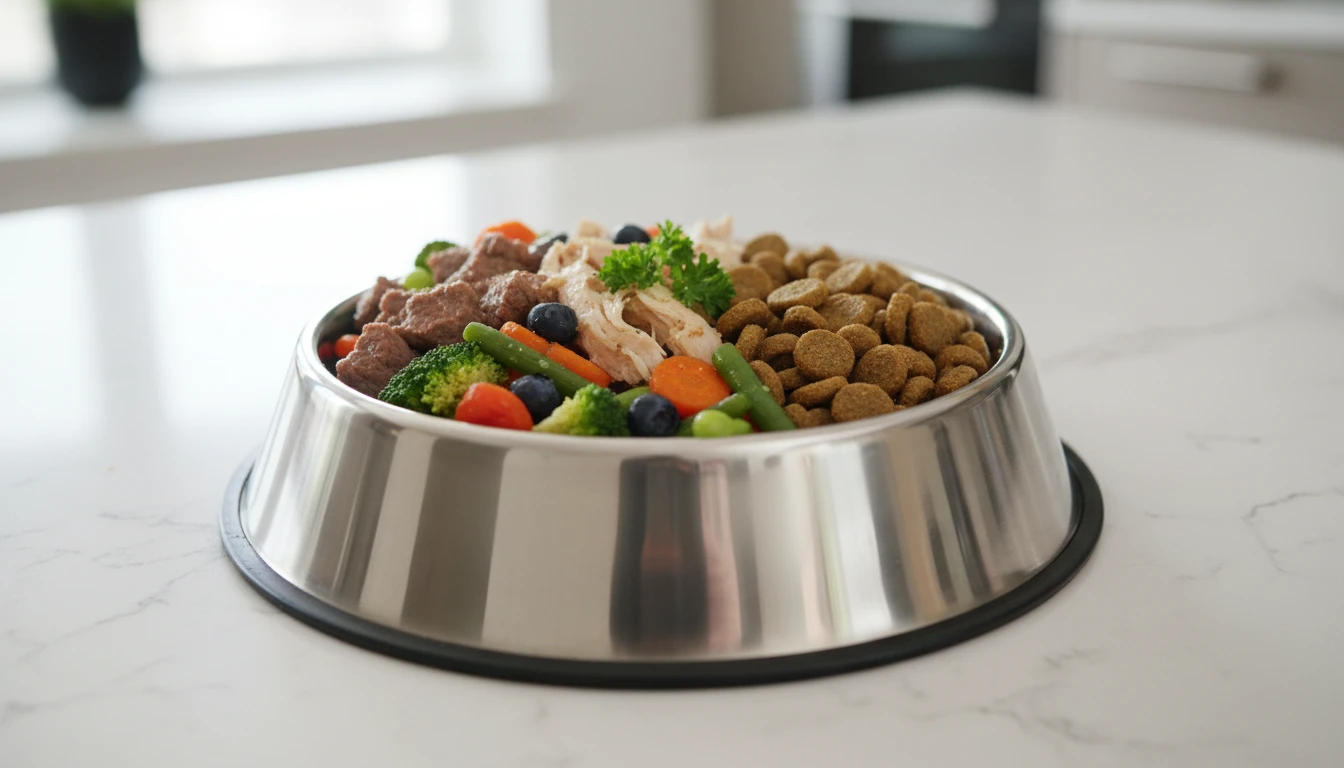
Nutrition plays a huge role in your dog’s health, just like it does for us. Dogs rely on a mix of proteins, fats, carbohydrates, vitamins, minerals, and water to live their best lives. Each nutrient has a different role. For example, protein keeps muscles strong, while fats help power those zoomies and keep their coat shiny.
The global pet food market is growing, showing how much people care about good nutrition for their dogs. Brands are offering all sorts of options—dry, wet, raw, even custom mixes. With so many choices, it makes sense to know what’s really important and how to spot quality ingredients. Making smart choices helps your dog avoid common issues like allergies, obesity, and digestive trouble.
Modern dog foods are way more balanced than the table scraps pets used to get. Today, there are strict guidelines set by organizations like AAFCO (Association of American Feed Control Officials) to make sure commercial dog food meets your pup’s nutritional needs. Learning what these nutrients do makes label reading less confusing. Making sense of these nutrients can help you track down the best food for your pup.
Breaking Down the Essential Nutrients
Every dog needs certain nutrients. Think of these as building blocks for health. Here are the essentials you’ll want to include in your dog’s diet:
- Protein: Helps with muscle growth, healing, and a healthy immune system. Sources include chicken, beef, fish, lamb, and eggs.
- Fat: Powers your dog’s energy and supports skin and coat health. Fats also help absorb some vitamins. Look for sources like fish oil, chicken fat, and flaxseed.
- Carbohydrates: Give quick energy and fiber to support digestion. Common sources are grains like rice or oats, sweet potatoes, and peas.
- Vitamins: These keep everything from eyes to nerves working smoothly. Some key vitamins for dogs are vitamin A, B vitamins, and vitamin D.
- Minerals: Help with bones, teeth, and keeping nerves firing. Calcium and phosphorus are big ones, but zinc and iron matter too.
- Water: The most overlooked nutrient. Dogs need plenty of fresh water daily for digestion, temperature control, and organs to function well.
How to Choose Dog Food That Delivers the Nutrients
Picking out food for your dog can feel like finding your way through a maze! Here’s what I look for when choosing, and how you can spot well-balanced options:
- Check for Complete and Balanced: Look for formulas that meet AAFCO guidelines. That means they’re tested and designed to meet all your dog’s basic nutritional needs.
- Read the Ingredients: Protein should be at the top of the list. If you see a named meat (like “chicken” or “beef”), that’s a good sign. Watch out for vague terms like “meat byproduct” or “animal digest”—those are less desirable.
- Know Your Dog’s Age and Size: Puppies, adults, and seniors all need different nutrient levels. Small breeds may have different calorie needs than large or giant breeds. Many brands offer options tailored to those life stages.
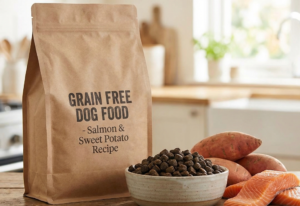
- Consider Special Needs: Some dogs do best with grainfree recipes, while others handle grains just fine. Health concerns like allergies or joint issues might call for special ingredients (like salmon for sensitive skin or glucosamine for aging joints).
- Don’t Skip Fresh Water: Even the fanciest food won’t help if your dog isn’t drinking enough. Refill that bowl often!
Helpful Tips for Feeding Dogs at Every Stage
Feeding isn’t onesizefitsall. Dogs’ needs mix up as they grow, so adjusting their nutrition as they move from puppy to adult to senior is super important. Here are some practical tips for each life stage:
- Puppies: Need more calories, protein, and fat for growth. Look for puppy formulas designed to support bone development and rapid growth.
- Adult Dogs: Once your dog is finished growing, they need balanced maintenance food. Watch the portions to make sure they stay at a healthy weight.
- Seniors: Older dogs sometimes slow down or develop aches. Senior foods often provide joint support and fewer calories to help manage weight without losing muscle.
Sticking to regular feeding times is also helpful for setting routines and helping with potty schedules. Monitoring changes as your dog ages allows you to tweak feeding habits and food choices to support their changing needs.
Mixing Up the Menu: Wet, Dry, and Fresh Food Explained
There are lots of ways to feed your dog, and each has its perks. Here’s what I’ve found:
- Dry Kibble: Convenient, budgetfriendly, and can help keep teeth cleaner thanks to its texture.
- Wet Food: Adds moisture, great for picky eaters, and easier on older dogs’ teeth.
- Fresh or Homemade: Lets you control what goes in the bowl. It takes planning to make sure it’s balanced, and it’s worth discussing with a vet or canine nutritionist.
Some owners mix types, offering kibble with a scoop of wet or fresh food to keep things tasty and interesting. As with people, variety can help dogs get a broader mix of vitamins and minerals. Introducing new foods should always be gradual, so you don’t upset your dog’s stomach.
Don’t forget: Novel proteins like duck, venison, or bison can add interest and are sometimes helpful for allergyprone pups. Also, including healthy toppers like plain yogurt or cooked vegetables adds both flavor and nutrition. The best menu is the one your pet enjoys and that supports their health goals.
Challenges Dog Owners Face With Nutrition
Nutritional needs aren’t always straightforward. Here are a few common issues and what helps:
- Food Allergies: Signs can include itching, chronic ear infections, or digestive trouble. Limitedingredient diets sometimes help pinpoint the problem. Switching proteins, such as using fish instead of chicken, can make a difference.
- Picky Eaters: Some dogs just don’t get excited by their food. Warming up wet food, adding a bit of lowsodium broth, or rotating proteins keeps meals appealing.
- Weight Struggles: Overweight dogs are more prone to health problems. Stick to measured portions and choose foods labeled for weight control. Walks and playtime help, too!
- Homemade Diet Worries: Making homemade dog food sounds great, but it takes careful planning to get all the nutrients right. I recommend checking recipes with a qualified vet or a specialist in animal nutrition.
If feeding time is causing ongoing stress, a visit to your veterinarian can help spot the source of trouble. They can suggest ways to change things up or recommend specific foods for tricky cases, like food sensitivities or digestive issues.
Troubleshooting: What to Watch For
If you’re worried about your dog’s diet, there are signs that something’s off. Watch for a dull coat, flaky skin, low energy, sudden weight changes, or unusual bathroom habits. If you spot any of these, it’s smart to chat with your vet.
Dog Nutrition and Real-Life Benefits
Putting a little care into nutrition pays off big time. I’ve seen dogs bounce back from dull coats or upset stomachs just from a switch in diet. Some benefits you might notice after improving your dog’s food include:
- Shiny, soft coat and healthy skin
- Better digestion and less mess at cleanup time
- More playful energy and alertness
- Fewer allergy flareups
- Healthier weight and smoother joints
Even things like dental health, breath, and how excited your dog is at mealtime can improve with better food choices. A happier, more energetic dog is a great reward for paying attention to nutrition. If you’re unsure whether your new feeding plan is making a difference, track your dog’s progress over a few weeks, noting their coat shine, weight, bathroom habits, and overall spark during walks or play. You may be surprised at the good changes!
Frequently Asked Questions
If you’re new to picking out dog food, here are a few questions I get a lot:
Question: How do I know my dog food is balanced?
Answer: Look for an AAFCO statement on the label. Foods with this statement are formulated to provide everything your dog needs for their life stage.
Question: Can dogs eat people food?
Answer: Some foods (like carrots, pumpkin, or plain cooked chicken) are fine as rare treats. But avoid feeding things toxic to dogs, like onions, grapes, or chocolate.
Question: Do supplements help?
Answer: Most dogs get all they need from commercial food. Supplements can help for special needs (like joint support), but adding them without a reason usually isn’t needed. Always check with your vet first.
Better Nutrition Means a Happier Dog
Paying attention to a few key factors in dog nutrition goes a long way toward helping your dog stay healthy and happy. Good food, the right balance of nutrients, and fresh water are the basics. When in doubt, a chat with your vet can help guide you to smart choices for your pet’s unique needs. Happy feeding and tail wags!