
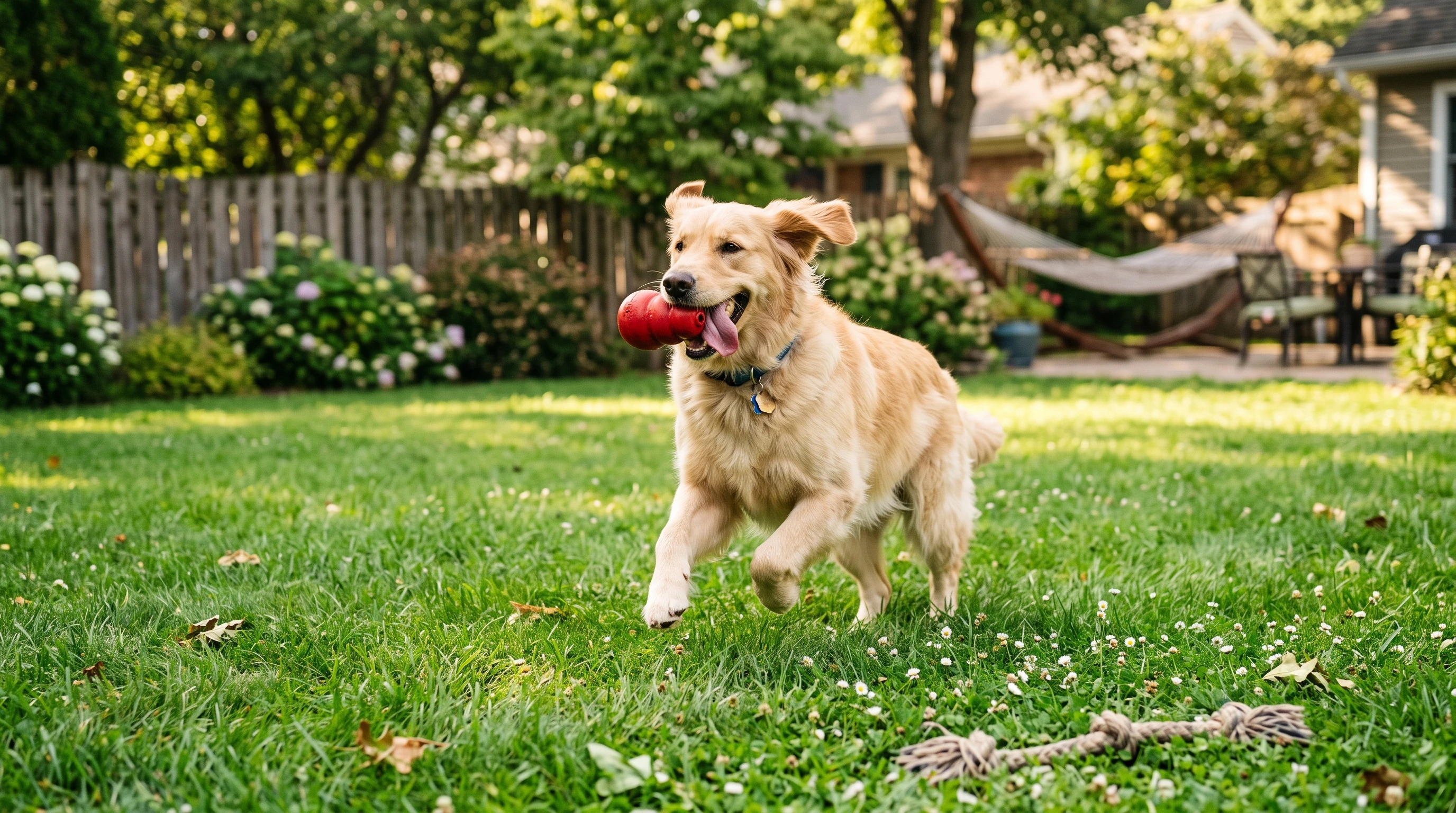
If you’re hoping to make your dog’s life as happy and healthy as possible, good care starts with everyday basics. Covering nutrition, training, and understanding your dog’s breed makes a big difference in their well-being. I put together this all-in-one guide to help you keep your dog feeling their best. Whether you’re new to dog ownership or just brushing up, check out these tips for every kind of dog lover.
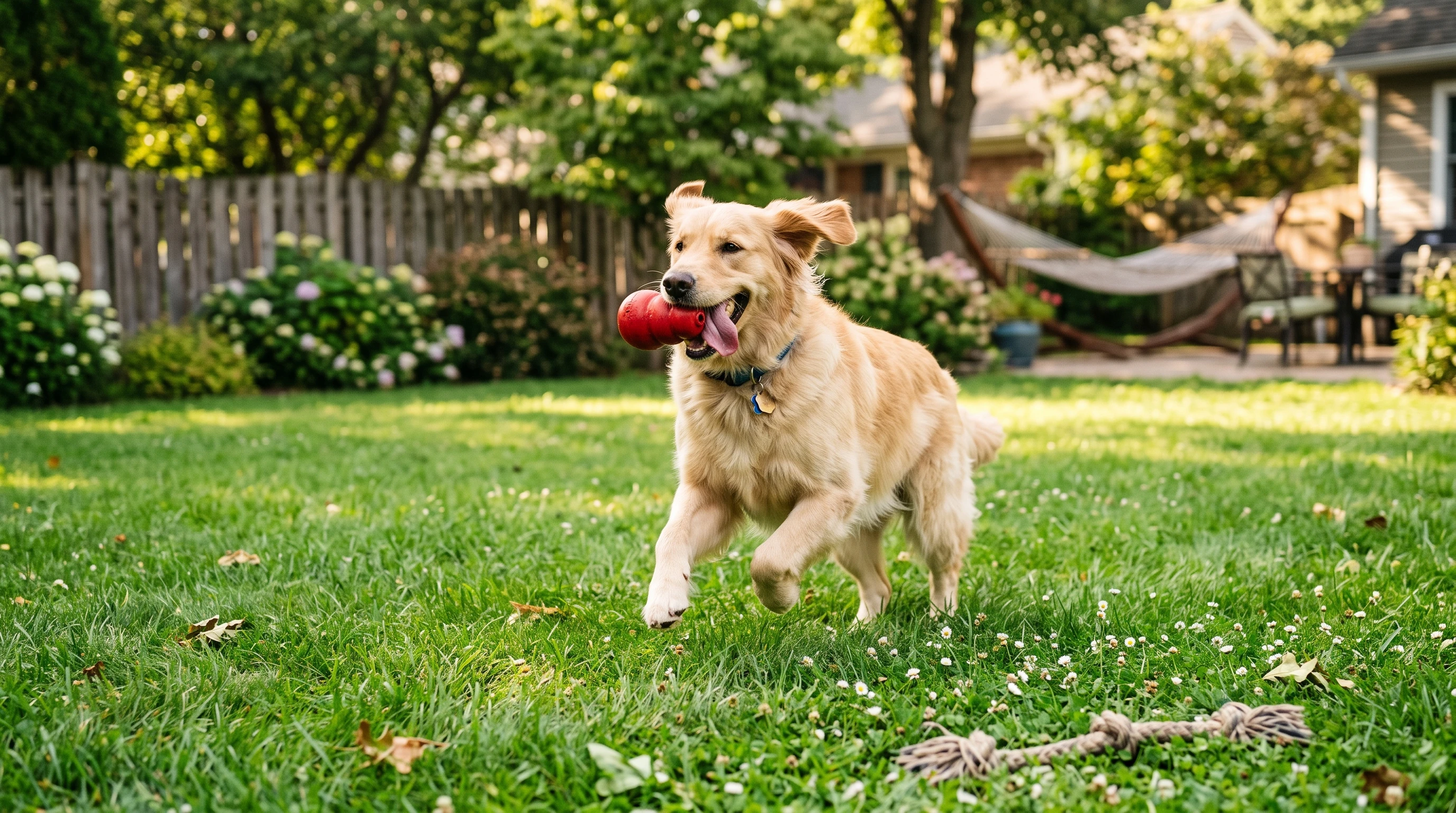
Building a Healthy Foundation: Nutrition for Your Dog
Nutrition is one of the first things I focus on for my dogs. Dogs rely on us to make good choices about what they eat since they can’t exactly research themselves. Getting nutrition right can help with their energy, coat shine, digestion, and even their mood. It’s more than just putting food in a bowl; it’s about making good decisions every day.
The dog food aisle can be confusing, but you don’t need to feel overwhelmed by all the options. Looking at the basics helps narrow things down. Here are a few key points I think every dog owner should know:
- Complete and balanced: Good dog food should display an AAFCO (Association of American Feed Control Officials) statement saying it’s “complete and balanced” for your dog’s life stage.
- Main protein source: Look for real meat like chicken, beef, or salmon listed as the first ingredient. Meat meals (like chicken meal) aren’t bad.
- Life stage matters: Puppies, adults, and seniors have different needs. Feeding a puppy adult dog food can make them miss out on nutrients for growth and development. Similarly, seniors do better on food that’s easier on their system.
- Pay attention to portion size: Feeding guides on the back of the bag are a handy place to start, but keep an eye on your dog’s weight and energy. Too little or too much food can affect their health quickly.
- Stay hydrated: Always make sure your dog has clean, fresh water available, especially in hot weather or after lots of exercise.
Human food is tempting to share, but not everything is safe for dogs. Some things like chocolate, grapes, onions, and garlic can make them really sick. If I want to treat my dog, I go with small pieces of plain cooked meat or commercial treats made for dogs.
Wet Food, Dry Food, or Raw?
This one comes up a lot. Each feeding style has pros and cons. Dry food (kibble) is handy, budget friendly, and good for dental health. Wet food usually wins on taste and can help dogs who don’t drink enough. Raw diets are popular, but need more planning to avoid missing nutrients or giving your dog harmful pathogens. It’s smart to chat with your vet before making big changes. Sites like AVMA: Raw Pet Foods lay out things to consider about raw diets.
Food Allergies and Sensitivities
If your dog is licking their paws a lot, scratching constantly, or having digestive problems, food allergies might play a role. I’ve found that feeding limited ingredient diets or “novel” proteins (like duck or lamb) can help. Your veterinarian can recommend safe elimination diets to figure out what works best for your pup. If you suspect allergies or chronic itching, always ask your vet so they can help rule out other issues and create a proper action plan. Some dogs do better on grainfree or singleprotein diets, while others just need a new treat rotation.
Added supplements like fish oil, glucosamine, or probiotics can be talked over with your vet if your dog has special dietary needs. These additions may boost to their immune system, joint health, or digestion, but always go with vet advice rather than what’s trending online.
Dog Training: Building Good Habits and a Great Bond
Training is about much more than tricks. I see it as the key to a happy life for both dogs and their humans. Training brings out your dog’s best and keeps everyone safe. Trust me, reliable recall can save a dog’s life. It also helps prevent behavior issues before they start and deepens your connection with your pup.
Basic Training Every Dog Should Know
- Sit and Stay: The simple basics make daily life easier. These cues help keep your dog out of trouble at home, on walks, or in busy places.
- Recall (Come When Called): Calling your dog back to you is super important. Practice with treats in distraction free environments before adding more challenging situations.
- LooseLeash Walking: No one likes getting dragged down the street. I use a harness for better control, and reward my dog for walking next to me.
- Leave It and Drop It: These cues keep your dog from grabbing unsafe food or objects inside and outside the house.
Patience is key. Training takes some time and consistency. I break lessons up into short, fun sessions—around 5-10 minutes each—and finish on a positive note. Positive reinforcement (treats, cheery voice, petting) encourages your dog to repeat good behaviors.
Addressing Behavior Problems
Jumping, barking, pulling on the leash, and chewing can be worked on with training and plenty of mental stimulation. Most dogs act out when they’re bored, anxious, or confused. Keeping them busy with puzzle toys, regular exercise, and new experiences usually helps a lot. Severe problems like aggression or separation anxiety might need a professional dog trainer or behaviorist. Finding a trainer who uses positive, science backed methods is important. The Association of Professional Dog Trainers (APDT) is a good place to look.
Socialization
Early, safe exposure to lots of people, other dogs, household noises, and outdoor environments helps your dog feel less stressed by new experiences. Puppy classes aren’t just fun; they are one of the best ways to set your dog up for a happy, confident life. Regular trips to new places and meeting friendly people, dogs, and even cats, can give your dog the confidence to handle everyday surprises.
Understanding Breeds: Why It Matters for Care
Breed isn’t everything, but it tells you a lot about what your dog might need. Herding dogs like Border Collies need plenty of physical and mental exercise, while Bulldogs might be more content with short strolls and lots of naps. Knowing your dog’s background helps you match exercise, play, grooming, and even training approaches to what works best.
- Working breeds (Labs, Boxers, Huskies): Tons of energy and need daily exercise. Games like fetch, scent work, and hiking are great for these dogs.
- Toy and companion breeds (Pugs, Shih Tzus, Chihuahuas): Lap dogs with lots of love to give, but still enjoy play and mental challenges. Try short puzzle games or teaching gentle tricks for best results.
- Brachycephalic breeds (Bulldogs, Pugs, Boston Terriers): Short snouted dogs who can overheat easily; watch them in hot weather and keep walks short if it’s steamy out.
- Doublecoated breeds (Golden Retrievers, German Shepherds): Shed like crazy. A good brush and regular baths keep their coats in good shape. Don’t forget to check for mats, especially in shedding season.
If you’ve adopted a mixedbreed dog, a DNA test can be pretty handy. I’ve done this to help predict adult size, activity levels, and any potential health quirks. Companies like Embark and Wisdom Panel are worth checking out for breed breakdowns and even some health screening.

Exercise and Enrichment
Matching activities to your dog’s needs makes life better for both of you. Highenergy breeds thrive on running, agility, or swimming, while scentfocused breeds enjoy hideandseek games or tracking. Most dogs get bored with the same walk every day, so I mix up my routes and bring puzzle toys for the times when I’m too busy for long outings. For rainy days or when outdoor time is short, teaching a new trick or working on obedience in the hallway can help work their brain and drain energy. Also, look into activities like dog parkour or nosework classes to add in some variety.
Getting Started: Your First Checklist for Dog Care
If you’re preparing for a new dog, a starter checklist helps you keep things stressfree. Here’s what I’d pick up right away:
- Quality dog food matched to age and activity level
- Food and water bowls—preferably stainless steel or ceramic, since they’re easy to clean
- Comfortable collar or harness (which ever you are happy with using) and a sturdy leash
- Identification tag with your current contact info
- Bedding that’s easy to wash
- Toys for chewing, fetching, and mental stimulation
- Grooming supplies like a brush, nail clipper, and dogfriendly shampoo
- Waste bags for walks
Before bringing your dog home, I check that my space is puppyproofed and that any hazards (like electrical cords or toxic plants) are put away. Setting up a safe “chill zone” like a crate or a quiet corner helps them settle in comfortably. Having family members learn dog care basics—like where to feed, how to signal potty time, and who will handle walks—leads to a smoother first week.
Common Challenges and How to Handle Them
Every dog owner runs into bumps along the way. Here are some everyday issues and what I do to deal with them:
- Picky eating: If my dog isn’t interested in food, I rule out health problems with a vet, then try feeding on a schedule, warming up food a little, or rotating treats for more interest. Sometimes switching foods (gradually, so no tummy troubles) or handfeeding can make meals appealing again. If appetite stays low for more than a couple days, call your vet just to be safe.
- Separation anxiety: Signs include barking, destruction, and accidents when alone. Calm departures, short practice absences, and crate training can help. Severe cases might benefit from working with a trainer. Leaving behind a worn t-shirt or favorite toy provides comfort, and sometimes background music or white noise can tone down anxiety triggers.
- Allergies: These show up as itchy skin, ear infections, or digestive problems. Diet changes, regular bathing, and working with your vet to find triggers (like pollen or specific food proteins) make a big difference. If your vet recommends, you might try medicated shampoos or prescription diets for dogs with tough allergies.
- Excess energy: Daily walks, playtime, learning new tricks, and food puzzles help burn off energy and prevent destructive behaviors. If you’re short on time, even a 10-minute fetch session or short backyard sprints work wonders. Older kids can help by tossing toys or teaching your dog simple “find it” games indoors.
Seasonal and Life Stage Tips
- Puppies: Socialization and early training go a long way. Frequent short walks are better than long treks at this stage. Use lots of encouragement, since everything is new and sometimes scary for young pups. Puppy teething toys and easy to chew treats save your shoes from getting chomped.
- Adult dogs: Routine, exercise, regular checkups, and keeping mentally challenged (even if it’s simple hideandseek games) are helpful. Try varying walks and encouraging new experiences—dog-friendly patios, stores, and hiking trails are great spots for adventure together. Continued training keeps skills sharp and stops bad habits before they start.
- Senior dogs: They slow down, so gentle walks and softer beds are appreciated. Watch for changes in mobility or bathroom habits as signs it’s time for a vet visit. Joint supplements, lower calorie diets, and orthopedic beds can help comfort an older dog (please speak with your vet before using any supplements or lowering their carlories). Remember, even seniors benefit from quick training sessions or gentle play to keep their minds active.
Leveling Up: Advanced Care and Ideas for Experienced Owners
Once you have the basics down, you can make dog ownership even more rewarding for both you and your dog by learning some extra skills. If you want to take things even further, here are a few ways to take care up a notch:
Canine enrichment: Rotating toys, setting up scent work, or puzzle feeders help stave off boredom and anxiety. Even teaching your dog the names of toys for a “go find it” game boosts their brainpower. Try snuffle mats or simple homemade games, like hiding treats under cups or in cardboard boxes, to add in some variety without spending a ton.
Health check routines: I do regular athome checks for ear gunk, unusual lumps, and changes in teeth or nails. Grooming isn’t just about looking good; it’s a health check, too! Brushing helps you spot early issues and gives you a chance to bond over belly rubs. Add in monthly tooth brushing and regular nail trims for even better results.
Building community: Dog groups in my area organize hikes, playdates, and obedience classes. Socializing with other dogs and humans is a bonus for both dogs and owners. If you don’t have a dog park nearby, look for local groups on social media that set up private meetups or dogfriendly volunteer projects. Swapping stories and tips with experienced owners can save you a lot of trial and error.
Travel prep: If you plan to bring your dog on vacation, proper restraint in the car, up-to-date tags (and microchip info), and vaccination records are all super important. Pet-friendly hotels and outdoor spots are easier to find than ever, but it helps to check reviews on BringFido for recent info. Bring a familiar bed, favorite toys, and a copy of current medications on every trip for peace of mind.
Learning first aid: Basic first aid know-how can make a huge difference in an emergency. Taking a pet first aid class or keeping a dog-safe kit handy prepares you for the unexpected. Add things like bandages, tweezers, and extra leashes to your kit, and check out resources from the American Red Cross for more tips.
Frequently Asked Questions
I get all sorts of questions from friends and readers. Here are some of the big ones I hear most often:
What’s the healthiest food for my dog?
Answer: The “best” food depends on your dog’s age, activity level, health status, and their own preferences. Balance and nutrition matter more than brand. Your vet is the best person to ask for recommendations based on your dog’s needs. Don’t fall for marketing alone—watch your dog’s energy, coat, digestion, and overall health for clues about what suits them.
How do I stop my dog from barking at everything?
Answer: Dogs bark for all sorts of reasons: boredom, fear, attention seeking, or reacting to what’s outside. Training the “quiet” cue, giving plenty of activity, and using puzzle toys help. Sometimes, making changes at home (like covering a window) can make a big difference. If barking seems sudden or is linked to anxiety, talk to a trainer or your vet. Never punish barking without figuring out the reason—it often backfires.
How much exercise does my dog really need?
Answer: Most dogs do well with 30-60 minutes of activity a day, but some breeds need more (think: Border Collies or Labs), while others prefer shorter walks. Watching your dog’s energy level and behavior is the easiest way to tell if they’re getting enough. Mix up walks, playtime, and brain games for best results, and add in short sprints or hikes for dogs with more stamina.
Should I crate train my dog?
Answer: If used properly, crates create a safe spot for your dog to relax and can help with house training. They’re not about punishment, just providing a space your dog can call their own. Dogs tend to like having a den, especially during fireworks or if they’re feeling tired. Always make crate time positive with comfy bedding and slow intros.
Making Dog Care a Part of Your Everyday Routine
Good dog care isn’t complicated when you break it down. A mix of smart nutrition, consistent training, and understanding your dog’s breed personality can set the stage for a healthy, happy relationship. I find that making care a normal part of my daily schedule keeps things fun instead of stressful for both me and my dog. Setting reminders for walks, meals, and learning sessions helps create habits. Don’t forget, routine vet visits catch early signs of health issues before they become big problems, giving you both more good years together.
Dog ownership is full of laughter, muddy paw prints, and learning as you go. The more you tune in to what your dog needs, the better life is for both of you. Whether you’re thinking about getting your first pup or you’ve had dogs for years, checking in on these basics can help you both thrive. With love, time, and a little curiosity, you’ll be rewarded with a loyal friend who brings out the best in you every day.