
Picking the right food for your dog is both important and often confusing. Homemade and commercial dog food fill the shelves and advice columns, but knowing which option works best for your pup isn’t always obvious. I’ve cooked for my own dogs, tried scores of kibble and canned brands, and pored over research. Here, I’m spelling out the pluses and minuses of making dog food at home compared to grabbing it from the store, so you can figure out the best direction for feeding your best friend.
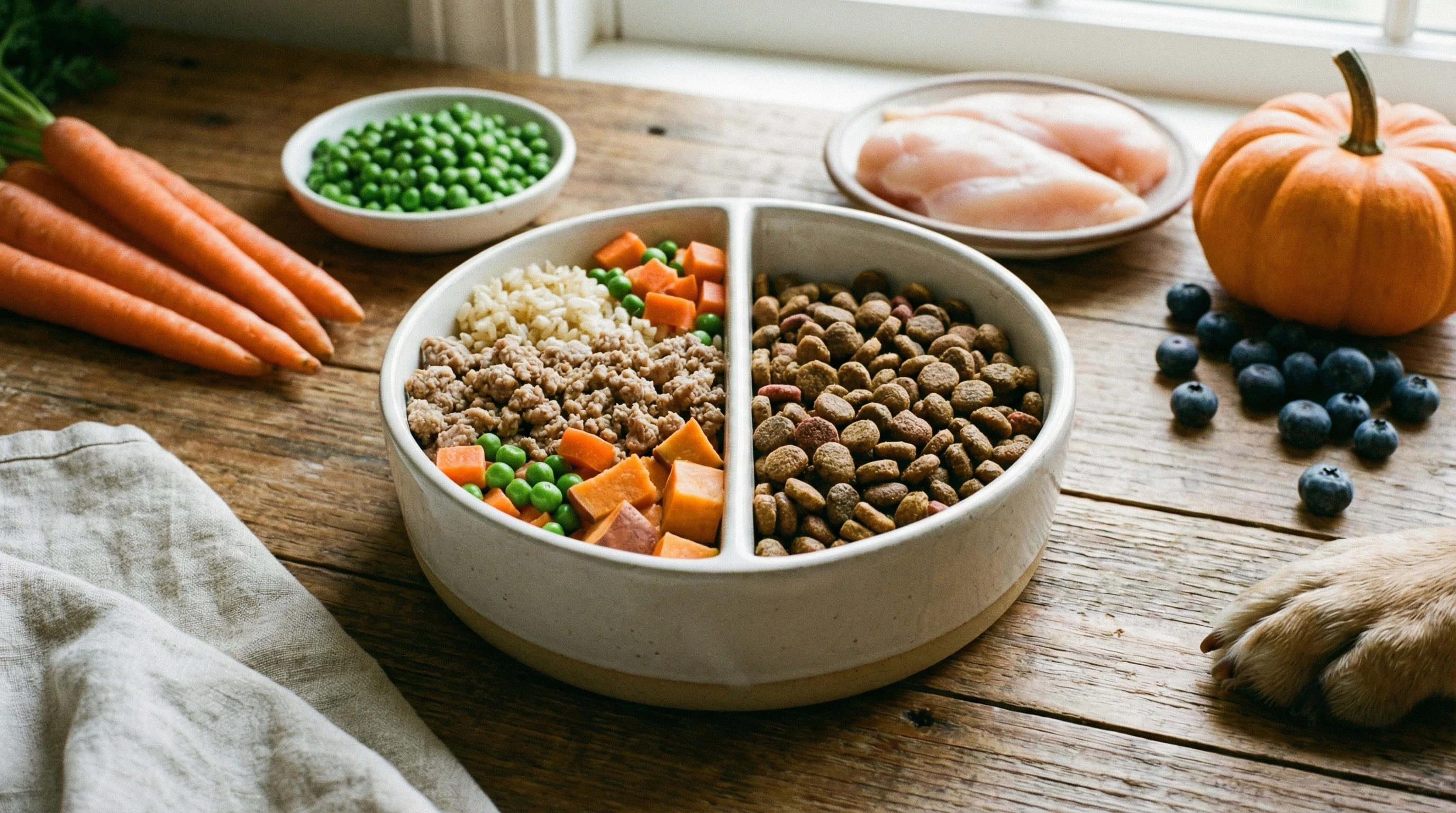
Overview: Homemade and Commercial Dog Food Explained
Dog food isn’t one size fits all. Homemade dog food typically means meals you whip up in your kitchen using store-bought ingredients. You might follow online recipes and blend together meats, grains, veggies, and sometimes supplements. Commercial diets, on the other hand, are made by pet food companies, packaged, and sold in stores as dry kibble, canned foods, or specialty formulas.
Each approach has fans, and both can provide a healthy diet, if handled right. Commercial diets are more popular, thanks to their convenience and affordability. According to the American Pet Products Association, U.S. pet owners spent over $58 billion on pet food and treats in 2022. Homemade food is less common but on the rise, as more folks seek transparency and control over what goes into their pet’s bowl.
Vets and pet nutritionists have mixed feelings about both choices. If you’ve ever felt lost at the pet food aisle or overwhelmed by homemade dog food recipes on social media, you’re definitely not alone.
Pros and Cons of Homemade Dog Food
Cooking for your dog appeals to a lot of pet owners. It’s especially helpful if your pup has food sensitivities or you want to skip certain ingredients. Here are the main things I think about when considering homemade dog food:
- Control Over Ingredients: You get to decide what goes into each dish—handy if your dog needs to avoid specific proteins or additives.
- Freshness: Home cooking usually means regular ingredients, giving you meals without preservatives or artificial flavors. The food is often fresher than shelf-stable store options.
- Customized Nutrition: Homemade meals can be tailored to suit allergies, sensitivities, or even fussy eaters. If my vet suggests specific dietary tweaks, it’s easier to apply them directly to my dog’s meals.
- Bonding: Making food for your pet gives you a way to show love and care. Dogs do seem to enjoy something special made just for them.
But there are challenges:
- Balanced Nutrition: Getting the right amount of protein, fat, vitamins, and minerals is more complicated than it seems. Research shows a lot of homemade recipes online fall short in key nutrients. Too little calcium or imbalances in other vitamins can cause long-term health issues for your dog.
- Time and Commitment: Shopping, cooking, measuring, and storing all require effort and planning. If you get busy, prepping homemade food can turn into a chore.
- Food Safety: Handling raw meats, keeping produce fresh, and avoiding cross-contamination matter for your family and your dog. Failing at this can make your pet or you sick.
- Expense: Buying premium meats, veggies, and needed supplements can cost more than bagged dog food.
- Guidance Needed: Vets and animal nutritionists strongly encourage owners to use professional advice to ensure meals meet nutritional needs.
The Ups and Downs of Commercial Dog Food
Commercial dog foods are designed for simplicity and predictability. Companies make products tailored for specific ages, breeds, dietary needs, and flavor preferences. Here’s what keeps me picking up commercial dog foods sometimes:
- Balanced Nutrition: Major commercial brands are put together to meet guidelines from the Association of American Feed Control Officials (AAFCO), which means they’re created to offer all the nutrients a healthy dog needs.
- Simple to Use: Pour the food, fill the water, and you’re done—no mess or fuss.
- Long Shelf Life: Kibble and canned food last for months unopened, which makes it easy to plan meals and prepare for emergencies.
- Lots of Choices: There are options for nearly every health concern or life stage. If your dog has special dietary requirements, commercial brands commonly offer something to try.
- Tested and Analyzed: Reputable commercial products are subject to feeding trials and laboratory testing to catch problems before they reach your dog’s bowl.
And the limitations:
- Ingredient Quality Varies: Not all companies use equally top-notch ingredients. Some rely more on byproducts and fillers instead of whole meats.
- Recalls: Sometimes, problems in mass production force a recall. Staying tuned to updates from your preferred brands is wise.
- Customization Gaps: Despite many varieties, some dogs have issues or preferences that commercial diets just don’t quite meet.
- Some Artificial Additives: Preservatives, coloring, and flavoring are common in many processed pet foods. Some owners want to cut back on these where possible.
What Dogs Really Need: Key Nutritional Basics
No matter where your dog’s food comes from, certain nutrients can’t be skipped. Dogs need a steady mix of protein for building muscle, fats for energy and a shiny coat, carbohydrates for quick fuel, plus a range of vitamins and minerals to keep their organs and systems functioning smoothly.
When comparing homemade and commercial food, I pay careful attention to these basics:
- Protein: Helps build muscles and bolsters the immune system; it’s generally found in meats, fish, or eggs.
- Fat: Essential for energy and healthy skin. It also allows the body to use certain vitamins.
- Carbs: Dogs can use whole grains and some vegetables for fiber and energy, especially in commercial diets.
- Vitamins and Minerals: Calcium for bones, zinc for skin, B vitamins for nerves and energy. Lacking even a few over months can take a toll on canine health.
There’s no universally perfect recipe. Things like your dog’s age, breed, size, and health play a part in what’s best for them. Puppies, adults, and seniors each need a slightly different blend of nutrients, so I check in with my vet whenever thinking about major food changes.
Things To Think About Before Switching Food Types
Changing from commercial to homemade, or vice versa, isn’t just a matter of taste or preference. What’s practical for your schedule, budget, and your dog’s health all come into play. Consider these points:
- Talk to Your Vet: Running dietary plans by your vet helps avoid nutritional gaps or sudden trouble. Quick changes can downgrade digestion or spark food sensitivities.
- Transition Gradually: Changing foods should happen a little at a time. I add a bit of the new food into the old for about a week, slowly increasing the ratio, to prevent stomach upset.
- Notice Any Changes: If your dog starts itching, loses fur shine, or seems out of sorts, review the food change to check if it’s causing trouble.
- Stick With a Routine: Dogs benefit from consistent meals, rather than frequent switches or offering too many different foods at once, which can turn them into picky eaters or cause digestive distress.
Common Pitfalls With Homemade Dog Food
The biggest pitfall with homemade diets is skipping a formula that covers all a dog’s specific nutrient needs. Hearty stews loaded with meat and veggies may taste great, but often lack the full slate of vitamins or minerals that dogs require for the long haul. Table scraps can be risky—onions, grapes, and chocolate are toxic. People also tend to forget that dogs need more calcium than humans, making supplements a must.
Challenges That Come With Commercial Dog Food
Dog food labels can be confusing. Terms like “natural” or “premium” aren’t regulated, so reading the full ingredient panel and guaranteed analysis is crucial. Some cheaper foods focus more on plant-based carbohydrates like corn and wheat, which aren’t harmful but might not give every dog what they truly need. Comparing brands, reading reviews, and tracking recalls—such as using the FDA’s pet food recall site—keeps you a step ahead.
Handy Tips For Feeding Your Dog Safely
No matter which route you choose, several universal tips help feed your dog safely:
- Always keep a bowl of fresh water available
- Store food properly: use airtight containers for kibble and refrigerate homemade or canned food once opened
- Monitor your dog’s body weight, energy, and coat regularly
- Call your vet quickly if you notice changes in appetite, vomiting, diarrhea, or unusual health shifts
Frequently Asked Questions About Dog Food Choices
Here are some common questions about homemade versus commercial dog food:
Q: Can I just feed my dog what I eat, like meats and veggies from dinner?
A: Not exactly. While some people food is safe for dogs in small amounts, they require a balance only possible with tailored recipes and often supplements. Plus, household foods like grapes, onions, and chocolate can be toxic to dogs, so input from an expert is vital.
Q: Are grainfree commercial diets better?
A: Not always. Unless your vet says your dog needs to avoid grains, whole grains in dog food offer nutrition and fiber, with no proven harm for most canines.
Q: Is it okay to mix homemade and commercial food?
A: Sometimes blending works, but it’s best to ask your vet first, since nutrients can end up being too little or too much in those cases.
Picking The Best Option For Your Dog
Choosing between homemade and commercial dog food comes down to what suits your lifestyle and gives your pup their best meal. Homemade offers you control and customization, but needs extra planning and expert support. Commercial options are quick and designed to hit every nutritional mark—as long as you read labels and pick trustworthy brands. I try to talk with my vet regularly, observe my dog’s mood and health on any food, and stay ready to make changes.
There’s no magic answer; you’ll probably find the best fit by trying out different strategies and simply noticing your dog’s health and happiness. Don’t stress about making it perfect right away. With a little patience and teamwork with your vet, you’ll find a feeding routine that keeps your four-legged friend happy, healthy, and full of tail wags.