
If you’re feeding your dog or cat a homemade diet, supplements are something you can’t ignore. Meals made from scratch can offer real benefits, like fresher ingredients and full control over what goes in your pet’s bowl. But nutrition isn’t always as simple as tossing together some chicken and rice. There are gaps that show up without commercial fortification, and these gaps can matter in the long run. Today I’ll break down the supplements you’ll want to know about and how they fit into a balanced homemade plan.
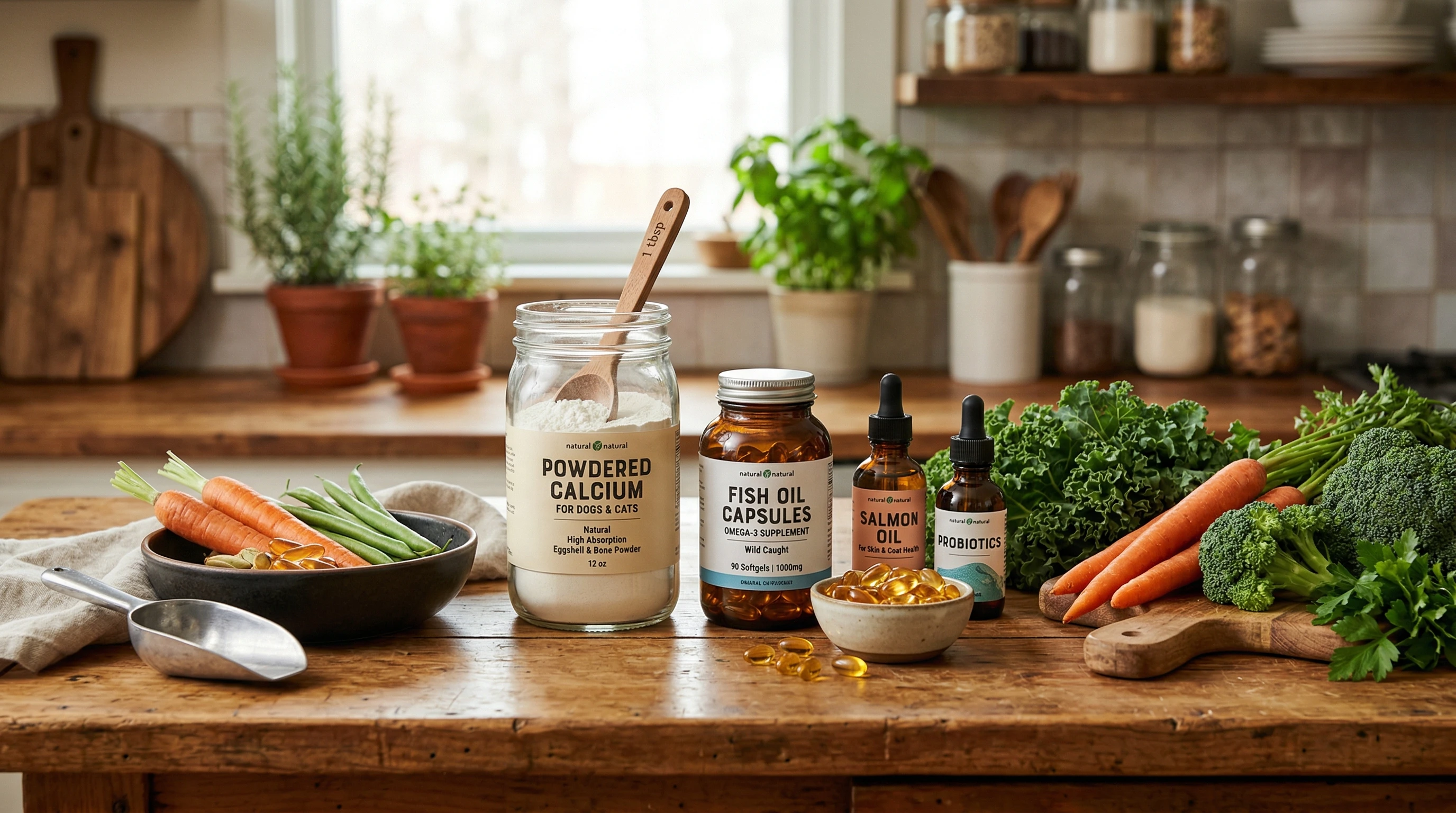
Why Supplements Matter for Homemade Pet Diets
The fresh food movement for pets keeps growing, but so does the complexity behind doing it right. Home-cooked recipes rarely meet every nutrient need all by themselves. Commercial pet food brands add specific vitamins and minerals to create a complete and balanced meal. When you’re mixing up meals at home, you don’t have that safety net.
Homemade diets, especially those following the “prey model” or homecooked approaches, tend to be low in several nutrients, particularly calcium, certain vitamins, and trace minerals. Nutritional gaps might not show up immediately, but can eventually cause real health problems. So, supplementing is a key and practical way to make sure homemade meals are truly balanced, not just tasty.
Common Nutrient Gaps in Homemade Diets
Whether you cook for your pet or make raw food, there are some nutrients that almost always fall short. Common weak spots include:
- Calcium: Most cooked meat recipes lack enough calcium unless you add it yourself.
- Omega-3 Fatty Acids: Homemade meals tend to be low in EPA and DHA, vital for skin, coat, and brain health.
- Vitamin D: It’s really hard to supply just through food ingredients.
- Vitamin E: Important for cellular function and found in low amounts in homemade blends.
- Zinc, Copper, Iodine, and Selenium: Trace minerals aren’t always present in the right amounts, especially if you’re skipping organs like liver or don’t use whole fish.
Some owners assume “variety” covers these needs, but most recipes, unless carefully formulated, won’t tick all the boxes, even with a diverse ingredient list.
Core Supplements for Homemade Dog and Cat Diets
There are a handful of nutrients I recommend nearly every time someone asks me about balancing a fresh diet. Here’s a closer look at the heavy hitters and why they’re so important:
- Calcium
Any homecooked or raw meal made mostly of muscle meat is usually short on calcium. Adult pets need way more calcium than muscle leaks into the pot during cooking. I add crushed eggshells (about 1/2 teaspoon per pound of meat), bonemeal powder, or a veterinary calcium supplement to close the gap. For raw feeders who use whole ground bone, you may already be set, but it’s good to check the totals regularly to be sure. Regularly checking your supplement measurements helps prevent shortages or excess in your pet’s diet. - Fish Oil or Marine Oils (Omega-3)
Mackerel, sardines, or salmon oil are my go-to ways to add EPA and DHA. These omega3s support brain, heart, and joint health, while helping keep skin and coats shiny. Other plant oils like flaxseed can add omega fats, but they don’t have the active forms your pet needs most. Dosing depends on weight, so always check reputable charts or run amounts by your vet or a pet nutritionist. Start slow to see if your pet tolerates the oils well and watch for any signs of digestive upset. - Vitamin E
This antioxidant prevents fats in homemade diets from going rancid and helps boost cellular health. You can use a drop of liquid vitamin E or get softgel capsules made for pets. I add it to any meal that contains oils or fats (which is basically all homemade pet meals). It’s a simple way to give a boost to your pet’s overall well-being. - Vitamin D
Few foods naturally provide enough vitamin D for dogs or cats. Fatty fish or liver can help, but it’s tricky to hit target levels from those alone without overdoing it on other nutrients. I use a measured supplement to get vitamin D levels right. I keep a close eye on dosing, because more is not always better. Vitamin D toxicity is a real risk with over-supplementing. Keeping it in balance supports your pet’s bone development and immune function. - Multivitamin/Mineral Powder
If you want an allinone shortcut, commercial supplements like Balance IT or Rx Essentials are designed specifically for pets fed homemade diets. These add multiple micronutrients at once, including trace minerals that are not easy to find in everyday grocery store foods.
Additional (But Really Handy) AddOns
Beyond the core supplements, there’s a whole extra shelf of “nice to have” options. Each has upsides depending on your pet’s needs, lifestage, or health issues:
- Probiotics
Support gut health and digestion, and are especially handy if your pet has a sensitive stomach or is new to home cooking. - Glucosamine and Chondroitin
Joint support for older pets, big breeds, or those with arthritis. - Fiber (Pumpkin, Psyllium Husk)
Some dogs and cats need a fiber boost for consistent digestion, especially on raw or highprotein diets. Adding prebiotic rich vegetables or pumpkin is a gentle way to support regularity.
These aren’t required for every pet, but if you notice issues with digestion, coat, or joints, they’re worth checking with your vet or nutritionist about.
Choosing Supplement Brands and Reading Labels
The world of pet supplements is huge and, honestly, a little overwhelming. I always look for brands that list specific amounts (not just “proprietary blend”) and source ingredients responsibly. AAFCO (Association of American Feed Control Officials) compliance or vet-recommended labeling offers more peace of mind when shopping for supplements.
Pillows, powders, or liquids can all work as long as the source is reputable. Human supplements can be tempting for price, but be super careful with these. Some use sweeteners (like xylitol) or have much higher dosages that don’t translate to pet needs. Always go by your pet’s weight and double-check with a pro if in doubt before starting new supplements.
How to Add Supplements to Meals
I find powdered supplements easiest to mix into homecooked food. For animals who are picky or turn their noses up at new textures, start slow with a pinch at a time and hide it in a favorite “topper.” For oils or liquids, drizzle over just before serving so the nutrients don’t degrade due to heat. Some supplements, like probiotics, work best when added after any heating step, since high heat can destroy healthy bacteria.
What to Ask Your Vet or Nutritionist
I always encourage checking with a trained pro, especially if your dog or cat has special health needs. Great questions to bring up are:
- Are my core nutrients (calcium, phosphorus, omega3, vitamin D) balanced for my pet’s age and size?
- Is the overall vitamin and mineral blend right for my pet, based on the recipe I’m using?
- How do I adjust for health needs (kidney health, allergies, sensitive stomach, etc)?
- Can I use human supplements or do I really need those “pet specific” products?
Careful research helps pet owners make choices that actually benefit their furry friends and prevent issues down the line.
Common Questions About Supplements for Homemade Pet Diets
Here are a few questions I get when people start making meals for their pets at home:
Question: Can’t I just feed a variety of foods and skip supplements?
Answer: Variety helps, but it’s almost impossible to hit all the essential nutrients day after day without supplements or a carefully formulated recipe. Even some “balanced” human diets can fall short for pets.
Question: Are supplements just for homecooked diets, or should raw feeders use them too?
Answer: Both homecooked and raw meals often need added vitamins and minerals. Raw diets that skip bones or organs definitely need supplementation.
Question: What happens if I skip the calcium supplement?
Answer: Bones and teeth rely on enough calcium in the diet. Without it, pets, especially growing animals, can develop fragile bones or deformities. Always balance meatheavy diets with a calcium source to keep your pet’s bones strong.
Question: How do I know if my homemade diet is really “complete and balanced”?
Answer: You’ll need to add up nutrients using a calculator like Balance IT or consult a veterinary nutritionist. Relying on guesswork can leave important things out, so using these tools helps make sure your pet gets all they need.
Practical Shopping Tips for FirstTime Supplement Buyers
Shopping for pet supplements can feel like wandering through a vitamin jungle. I always check:
- Ingredient source and purity (no artificial sweeteners or fillers)
- Clear dosage info for dogs/cats (not just “for pets”)
- Expiry dates, since fresher is better
- Company transparency (check for thirdparty testing or vet endorsements)
When in doubt, start with the basics: calcium, omega3, vitamins D and E, and a reputable multivitamin powder. Then adjust as your pet’s individual needs become clearer. If you find it hard to make a choice, look for brands with solid reputations and trusted ingredient lists.
Key Takeaways for Homemade Pet Diet Supplements
Feeding fresh food at home can be a great way to bond with your pet and support their health, as long as you’re mindful of those hidden nutrient gaps. Core supplements like calcium, marine oils, vitamins D and E, and a good multivitamin powder go a long way toward making any homemade plan more solid. If you’re ever unsure about amounts or recipe tweaks, teaming up with your vet or a nutrition expert is super important. At the end of the day, keeping meals both tasty and nutritious helps keep those tails wagging and whiskers twitching.